Asia & the Pacific
Iran war reverberations: A nadir for Asia’s economic security
Experts from across Brookings analyze the long-term implications of the war and provide policy recommendations for decisionmakers in Washington and around the world.
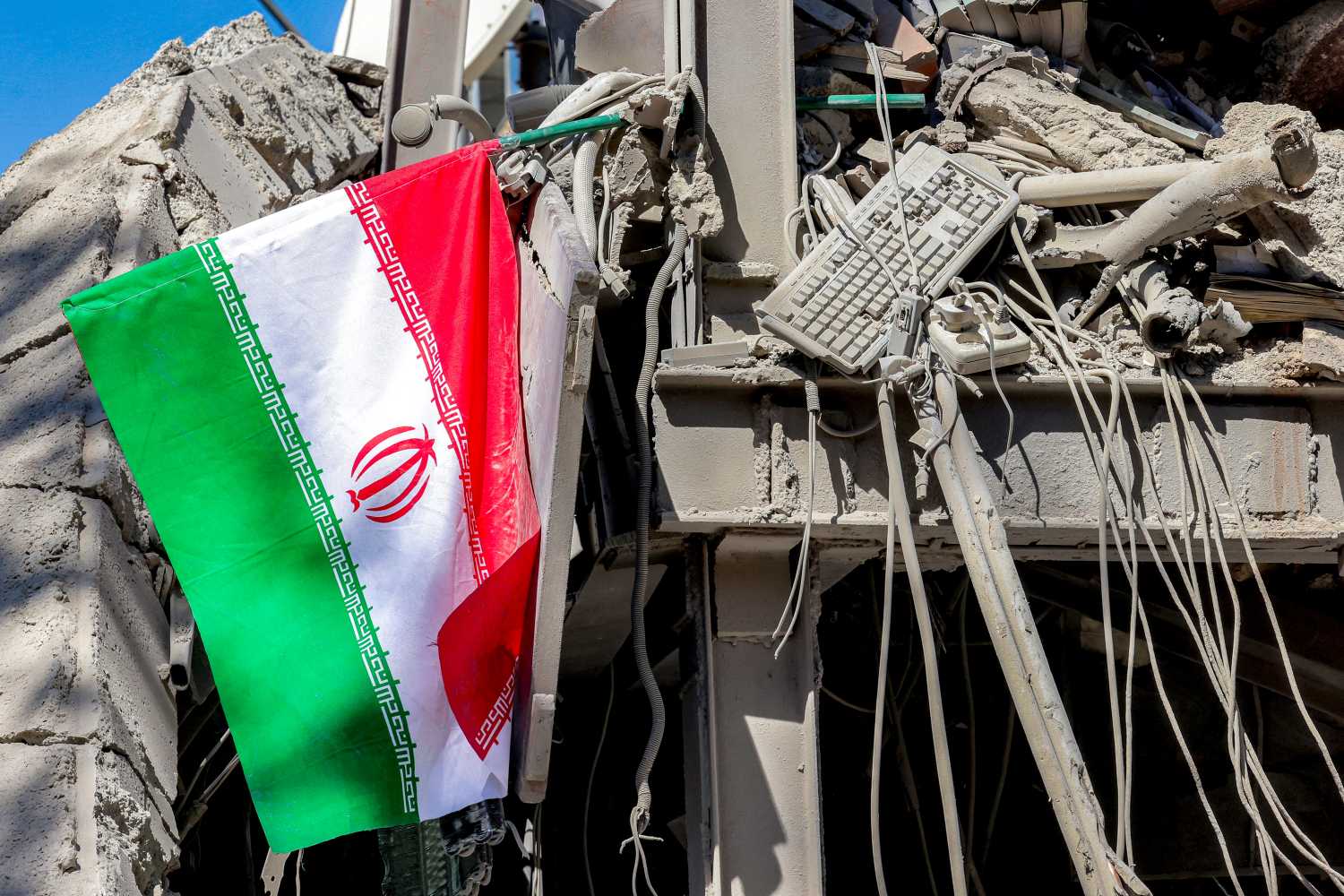
More than 100 days have passed since the United States and Israel launched ambitious joint military operations against the Islamic Republic of Iran. The initial strikes killed Ayatollah Ali Khamenei, who had served as the Islamic Republic’s supreme leader for nearly 37 years, along with dozens of senior military and political officials. But the decapitation of Iran’s leadership did not collapse its regime, which has remained firmly in control and began retaliating almost immediately. Tehran’s missile and drone counterstrikes targeted Israel and the Gulf states, U.S. military bases, and maritime traffic in the Strait of Hormuz, blocking the strategic chokepoint through which 20% of the world’s oil and liquified natural gas supplies typically pass.
However and whenever the conflict ends, the Iran war will have major implications for the evolving international security and economic order. For that reason, consistent with the Brookings Institution’s mission to advance global security and prosperity, we’ve challenged researchers and experts from across the organization to analyze the long-term implications of the war and provide policy recommendations for decisionmakers in Washington and around the world.
Asia & the Pacific
Iran war reverberations: A nadir for Asia’s economic security
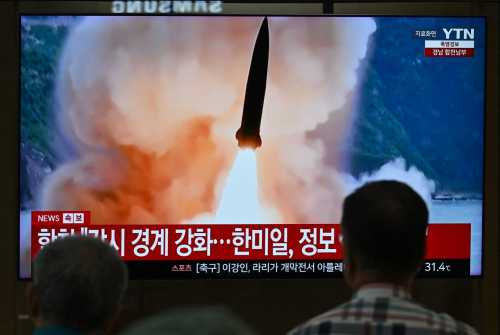
Amidst a degraded geopolitical landscape, the Iran war has delivered a jarring reckoning: Asia’s economic security is dangerously precarious.
The closure of the Strait of Hormuz has triggered a historic global oil shock, pushing Asia’s economy to the brink.
Read more
Geopolitics
Ukraine, Iran, and the strains on Russian and American power
The wars in Ukraine and Iran demonstrate to Russian and U.S. allies and partners the dangers of overreliance on single powerful actors for security.
Read more
Global economy & development
Chokepoints and coercion: Iran’s challenge to maritime openness
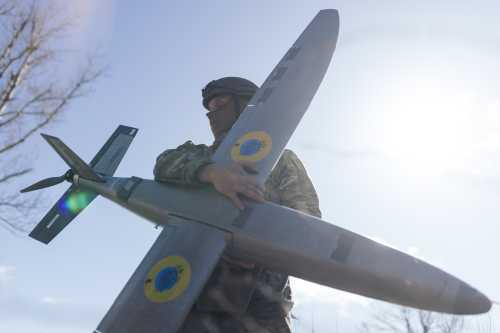
Access to key maritime chokepoints may be conditioned on political relationships rather than established norms of open transit.
Read more
U.S. defense policy
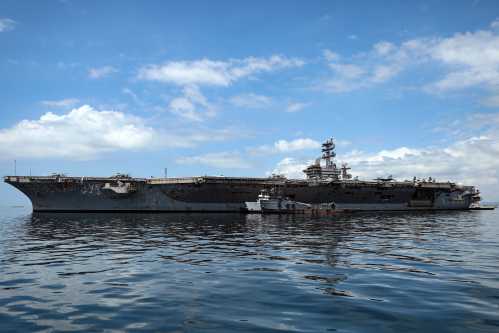
A sinking feeling: The Strait of Hormuz and strains on US naval power
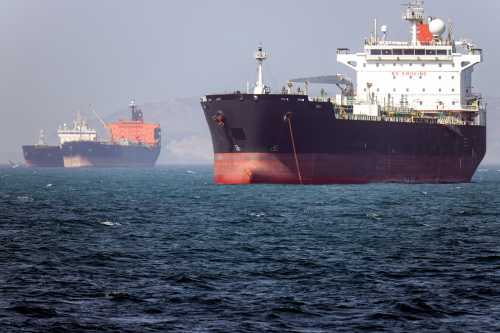
The Iran conflict has revealed important military shortfalls in American naval power and added to strains within the U.S. alliance system.
Read more
Energy markets & governance
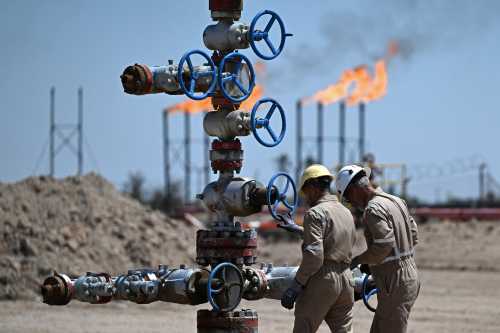
From chokepoint to crisis: The Strait of Hormuz and global oil markets
Oil prices are likely to rise further as the Strait of Hormuz remains closed, and once it opens, the market will take months to normalize.
Read more
U.S. government & politics
The political consequences of the Iran war
When wars are undertaken without initial public support, the public reaction against those who started and supported it can be harsh.
Read more

China
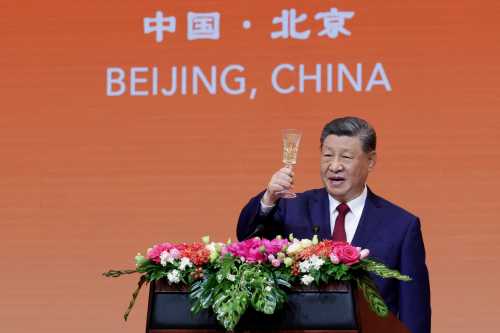
How the Iran war benefits China’s global ambitions
America’s setback with Iran has widened a lane for China to assert greater influence and leadership on the world stage.
Read more
Lebanon
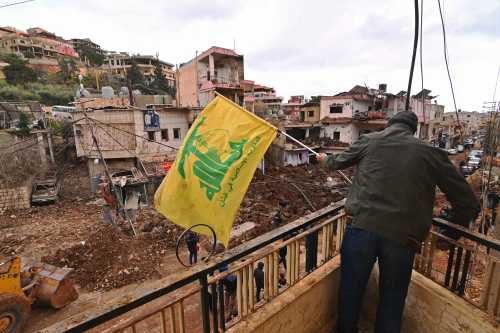
Lebanon between war and statehood: Shrinking the space for Hezbollah
While the window is only as wide as Washington’s attention span, there is an opportunity to eliminate the Hezbollah threat against Lebanon and Israel.
With the Syrian land bridge severed and the public exhausted by war, the Lebanese government has a narrow window to outpace Hezbollah in delivering relief before the group uses new Iranian funding to regain its foothold.
Read more
Middle East & North Africa
How the Iran war will change the Middle East
If there is one thing U.S.-led regime change wars in the Middle East have in common, it is that they all produce a wide range of unintended consequences.
Read more
Turkey
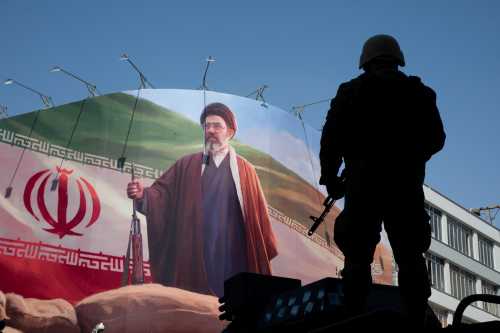
Turkey’s post-American hesitation
The post-American world came to the Middle East in the form of a U.S. and Israeli war in Iran. For Turkey’s decisionmakers, this was a shock.
Read more
Defense & security
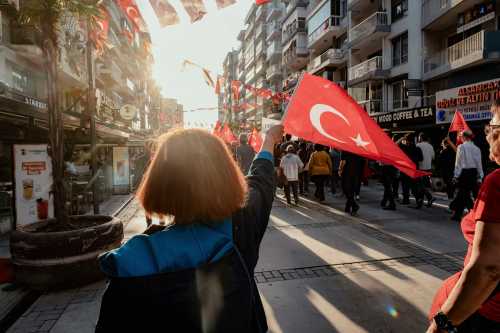
Why lower munitions stocks won’t undercut deterrence of China
While munitions shortages are concerning and in need of rapid redress, deterrence of great power war is highly unlikely to fail due to these shortages.
Read more
U.S. defense policy
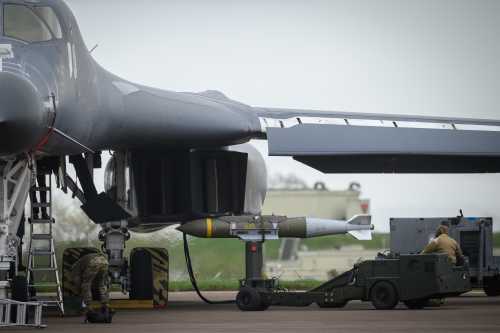
The end of the American way of war?
The Iran war has demonstrated that U.S. forward-deployed forces in the Middle East no longer enjoy sanctuary from attack.
Read more
Southeast Asia
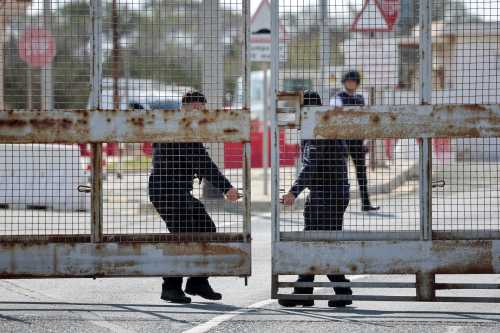
The fallout in Southeast Asia
The Iran war will not transform Southeast Asia overnight. But over time, countries in the region may begin to question what the U.S. brings.
Read more

Crisis & conflict management
The cycle of violence: From Israel-Palestine to Iran and back
The U.S. and Israel’s war in Iran has meaningfully shifted focus away from Israel and Palestine amid worsening conditions on the ground.
Read more
Asia & the Pacific
The Iran war and America’s widening strategy gap in Asia
The war with Iran has exposed an increasingly consequential gap between U.S. strategic priorities and its actions in Asia.
Read more