China
China is confronting new realities on the Korean Peninsula
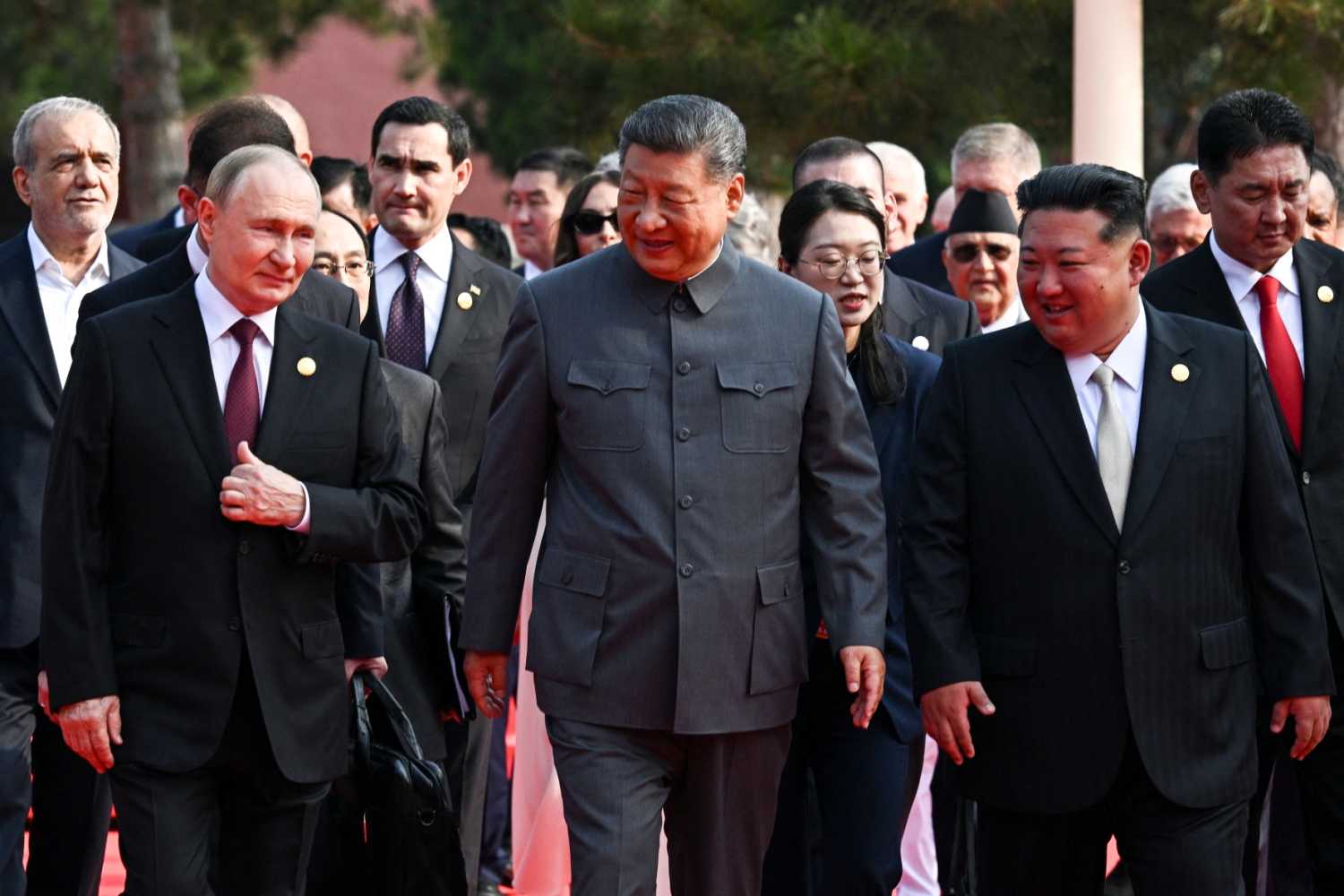
Experts on Russia, the Koreas, China, and Japan examine how geopolitical shifts over the past five years have reshaped prospects for peace and stability on the Korean Peninsula.
Despite global conflict and instability, North Korea appears more confident than at any point under Kim Jong Un’s leadership. The regime continues to expand its nuclear arsenal while strengthening its diplomatic ties with Russia and China. What are the prospects for renewed diplomacy on the Korean Peninsula and North Korea’s denuclearization amid Northeast Asia’s evolving geopolitics?
North Korea’s strategic recalibration to a more multipolar order has narrowed the scope for diplomacy with the United States and its allies. Russia, which previously supported North Korea’s denuclearization and sanctions enforcement, now assists North Korea without regard for U.N. and U.S. sanctions. China emphasizes stability and crisis management within a broader regional security framework, but mostly avoids the hard question of denuclearization, choosing instead to revitalize economic ties with Pyongyang.
For South Korea, long-standing objectives such as denuclearization and unification seem more distant, even as Seoul seeks renewed engagement with Pyongyang. For its part, Japan continues to press for denuclearization while strengthening its deterrence capabilities and remaining open to dialogue, particularly on the issue of Japanese abductees in North Korea. Meanwhile, the United States faces a strategic dilemma: how to reduce risk and build trust without abandoning the long-term goal of denuclearization in North Korea.
These dynamics point to the need for a more pragmatic diplomatic strategy—prioritizing risk reduction, sustained communication, and incremental progress toward stability rather than immediate denuclearization. This project convenes experts on Russia, the Koreas, China, and Japan to examine how geopolitical shifts over the past five years have reshaped prospects for peace and stability on the Korean Peninsula.
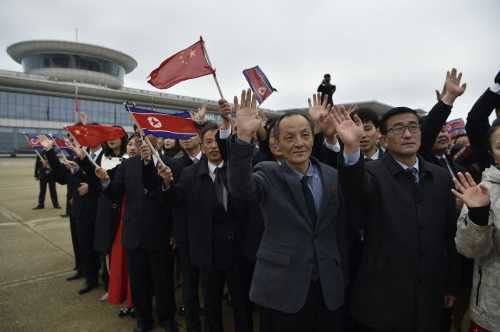
While denuclearization remains the long-term goal, Beijing views North Korea within a broader functional and regional prism that requires “controlled flexibility under structural constraints.”
Read more
North Korea’s policy recalibration is in response to a multipolar world in which diversifying ties with Russia and China is equally as important to ensuring strategic autonomy, regime survival, and de-facto acceptance as a nuclear state.
Read more
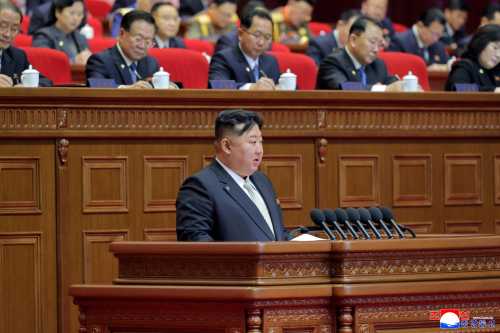
Pyongyang has not only redefined inter-Korean relations as fundamentally adversarial but has also effectively abandoned unification as a long-term goal.
Read more
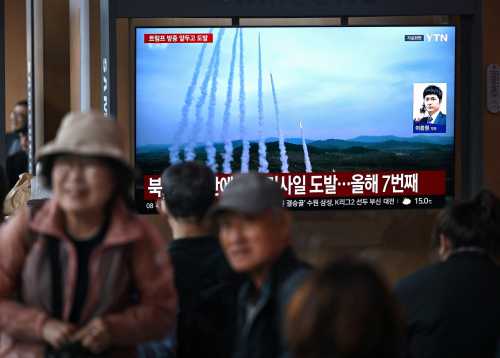
As the world shifts to an unstable, multipolar order, Japan should alter its strategic approach to North Korea to mitigate threats, and secure diplomatic and security interests.
Read more
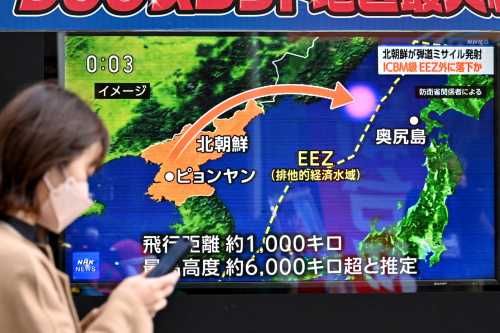
Renewed U.S.-North Korea dialogue may reopen engagement channels, but new geopolitical contours, including the China-Russia-North Korea axis and advances in nuclear capabilities, may make the progress on denuclearization and lasting stabilizing on the Korean Peninsula elusive.
Read more
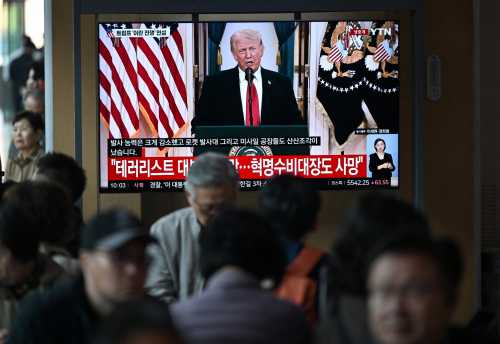
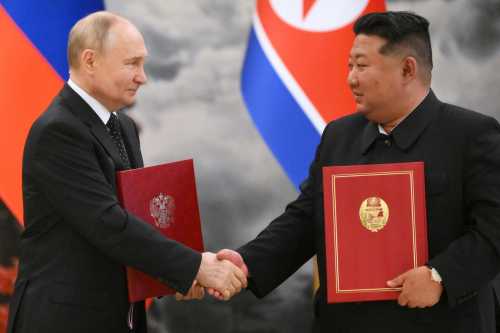
Russia’s confrontation with the West has driven Moscow’s embrace of North Korea as a nuclear and ideological ally, which risks emboldening Pyongyang to push the envelope and further undermine previously held global non-proliferation norms.
Read more
The convenors gratefully acknowledge Adam Lammon for editing and Rachel Slattery for layout and graphics.