

America’s Rural Future: Brookings-AEI Commission on U.S. Rural Prosperity held site visits and a field hearing in Eastern Kentucky as part of a two-year, bipartisan effort to develop policy recommendations to strengthen rural communities nationwide. The Commission is co-chaired by former Senator Heidi Heitkamp (D-ND) and former Governor Chris Sununu (R-NH), with research led by Senior Fellows Tony Pipa (Brookings) and Brent Orrell (American Enterprise Institute).
The Commission encountered a region where civic institutions, economic momentum, and locally led recovery efforts run counter to many outside narratives that have long defined Appalachia by its challenges rather than its assets. Efforts to strengthen Main Street economies, support local entrepreneurship, and rebuild after disasters are unfolding amid compounding pressures: population loss, repeated flooding, the transition away from coal, and the lasting effects of opioid addiction on families and communities.
Over three days, a group of Commission members met with residents, public officials, philanthropic leaders, students, business owners, health care providers, educators, industry executives, and civic leaders to examine how disaster recovery, economic transition, workforce development, community institutions, and local leadership shape the region’s future.
Hear Commission Members' Insights
Main Street as both economic infrastructure and civic identity
In Hazard, Mayor Donald “Happy” Mobelini of Hazard, Kentucky, and Perry County Judge Executive Scott Alexander described an unusual partnership and collaboration between the city and county that has resulted in a shared vision for revitalization and has included sharing a downtown coordinator and undertaking joint initiatives that have been instrumental in redeveloping Main Street. Between 2018 and 2024, Main Street has added 73 businesses, anchored on each end of town by key adaptive-reuse projects: the site of the Grand Hotel, transformed into an outdoor community gathering space, and the former bus station, now home to ArtStation.
In Manchester, leaders from “1 Clay County” highlighted how an organization that draws on leaders across sectors is able to move creatively and nimbly to drive initiatives and investments that extend beyond local government, pursuing a vision that pairs downtown improvements with river access, outdoor recreation, and tourism-oriented projects to connect the town to statewide tourism routes such as the Kentucky Bourbon Trail and Kentucky Coffee Trail. Both places highlighted the importance of a shared civic identity and participatory civic culture that reshapes narratives and external perceptions.
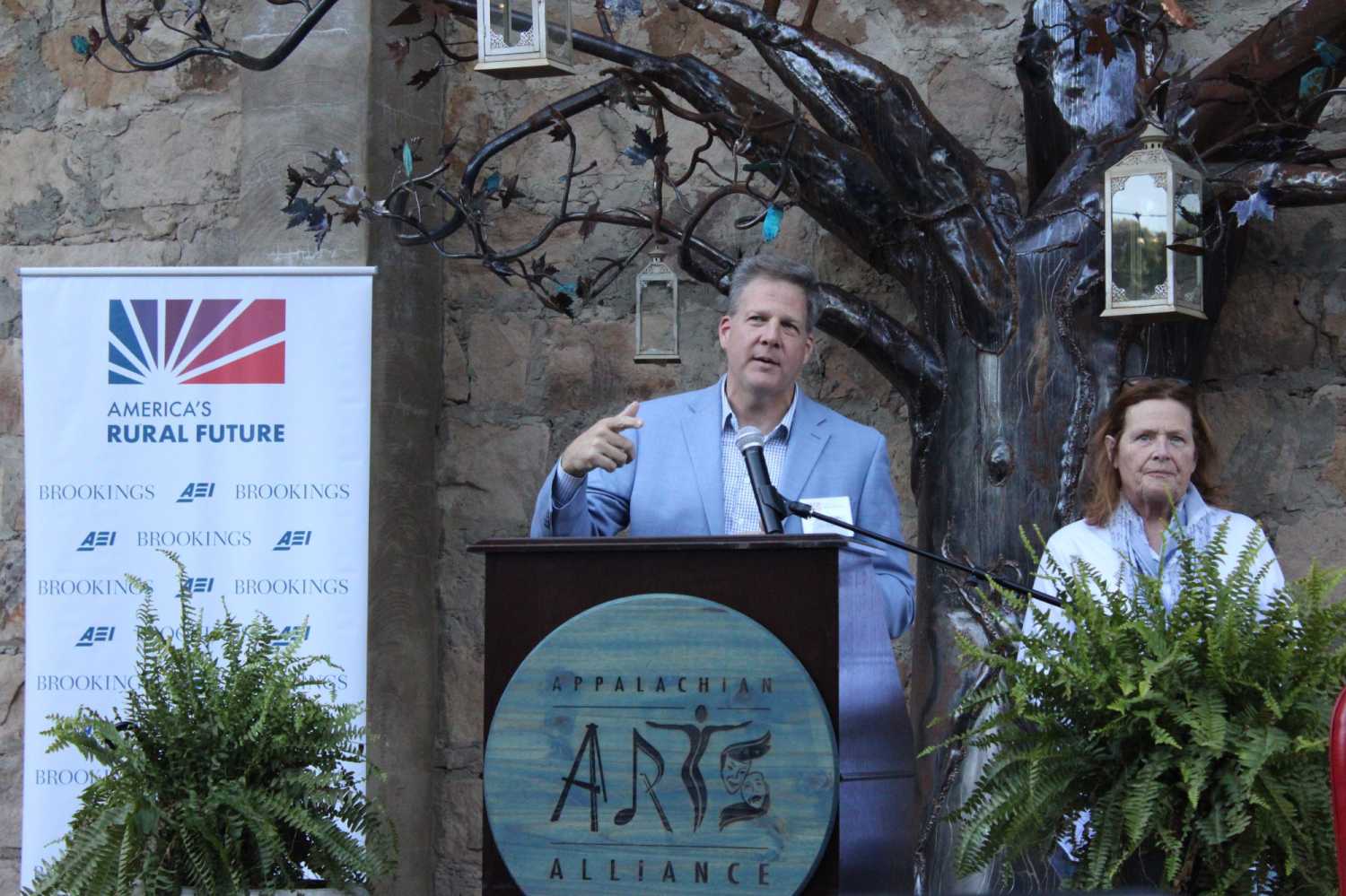
Commission Co-Chairs Chris Sununu and Heidi Heitkamp offer remarks to open the Eastern Kentucky site visits.
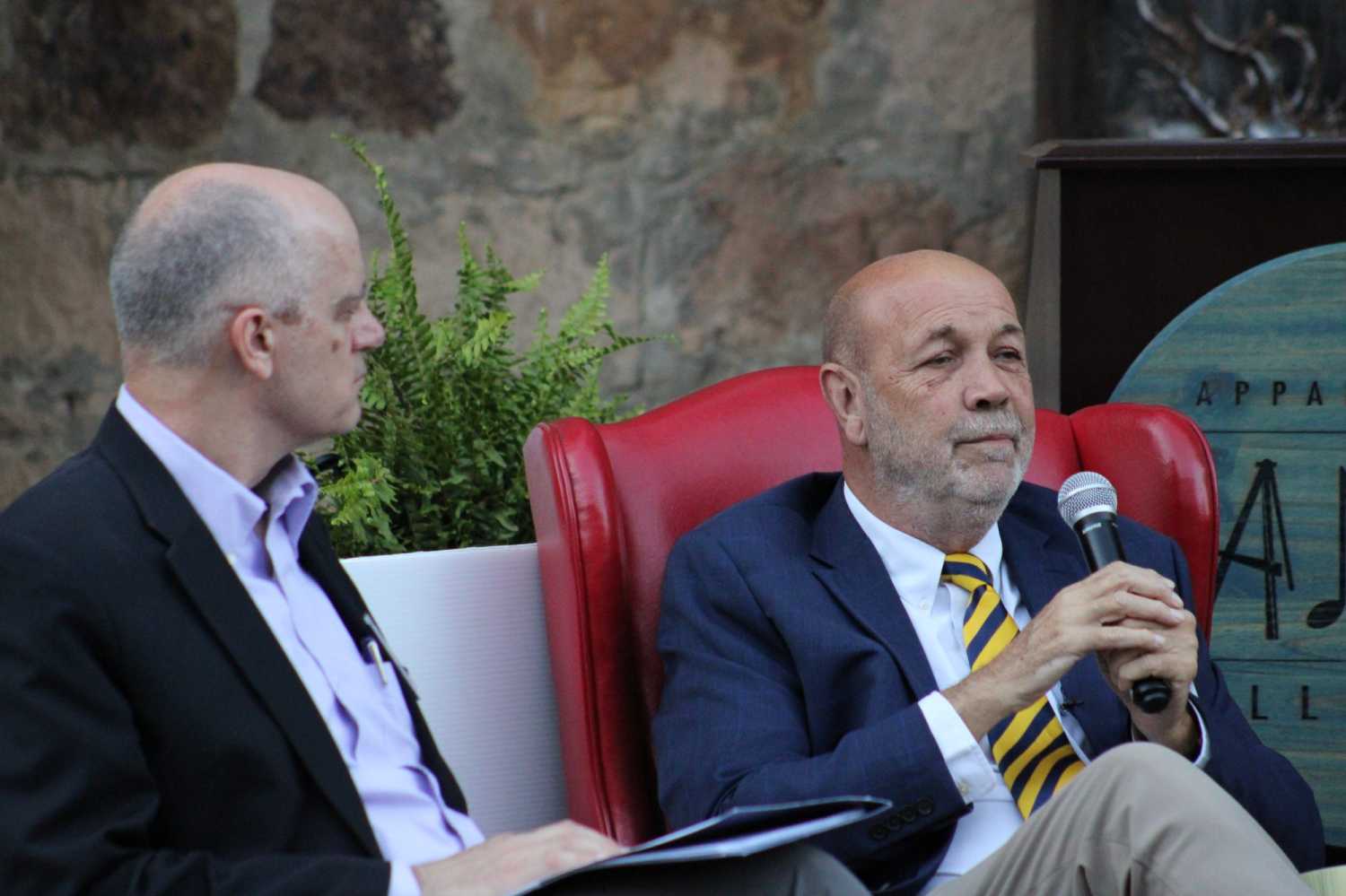
Brookings Senior Fellow Tony Pipa and Hazard Mayor Donald “Happy” Mobelini during a fireside chat.
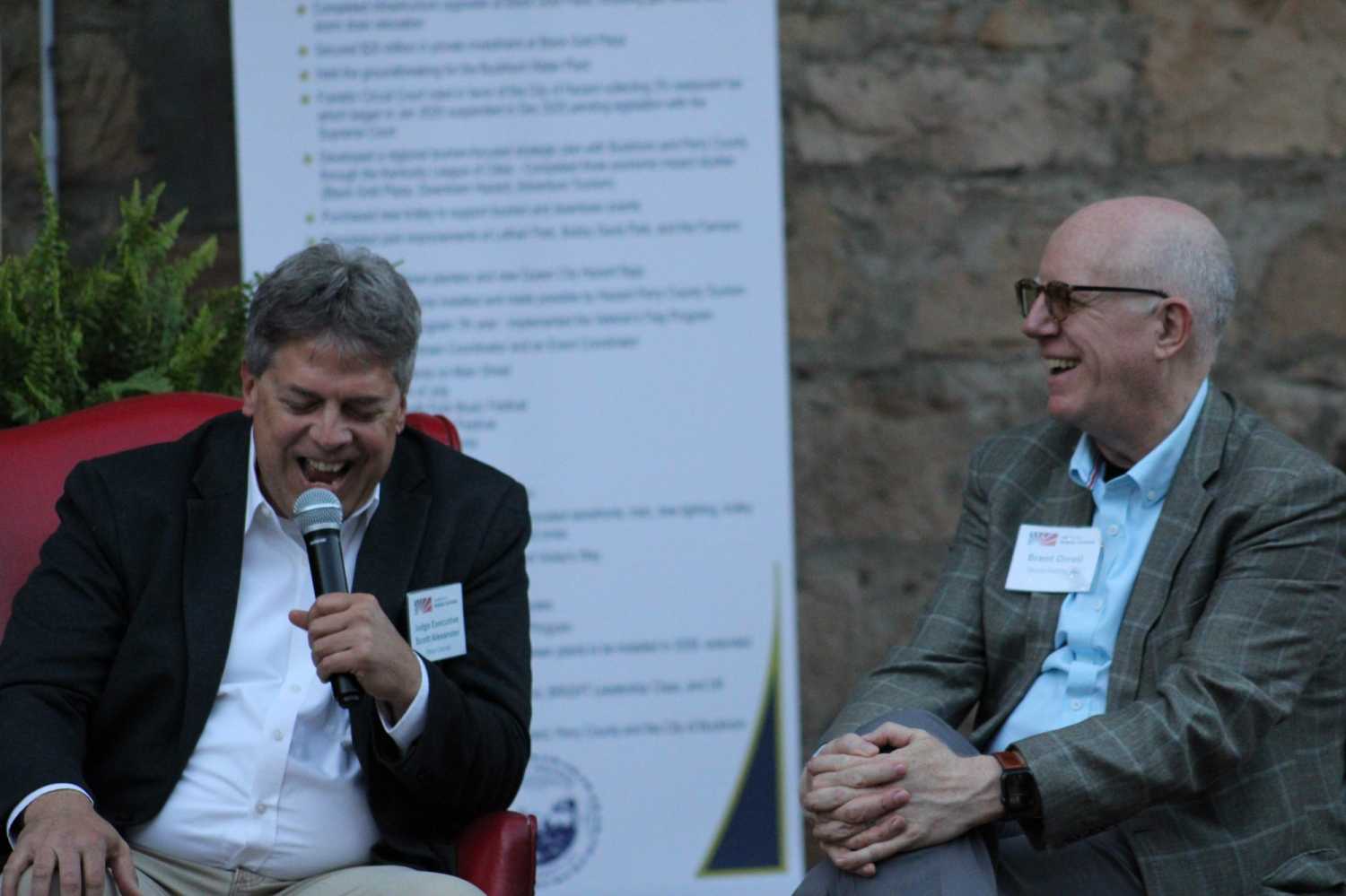
AEI Senior Fellow Brent Orrell and Perry County Judge Executive Scott Alexander during the opening fireside chat.
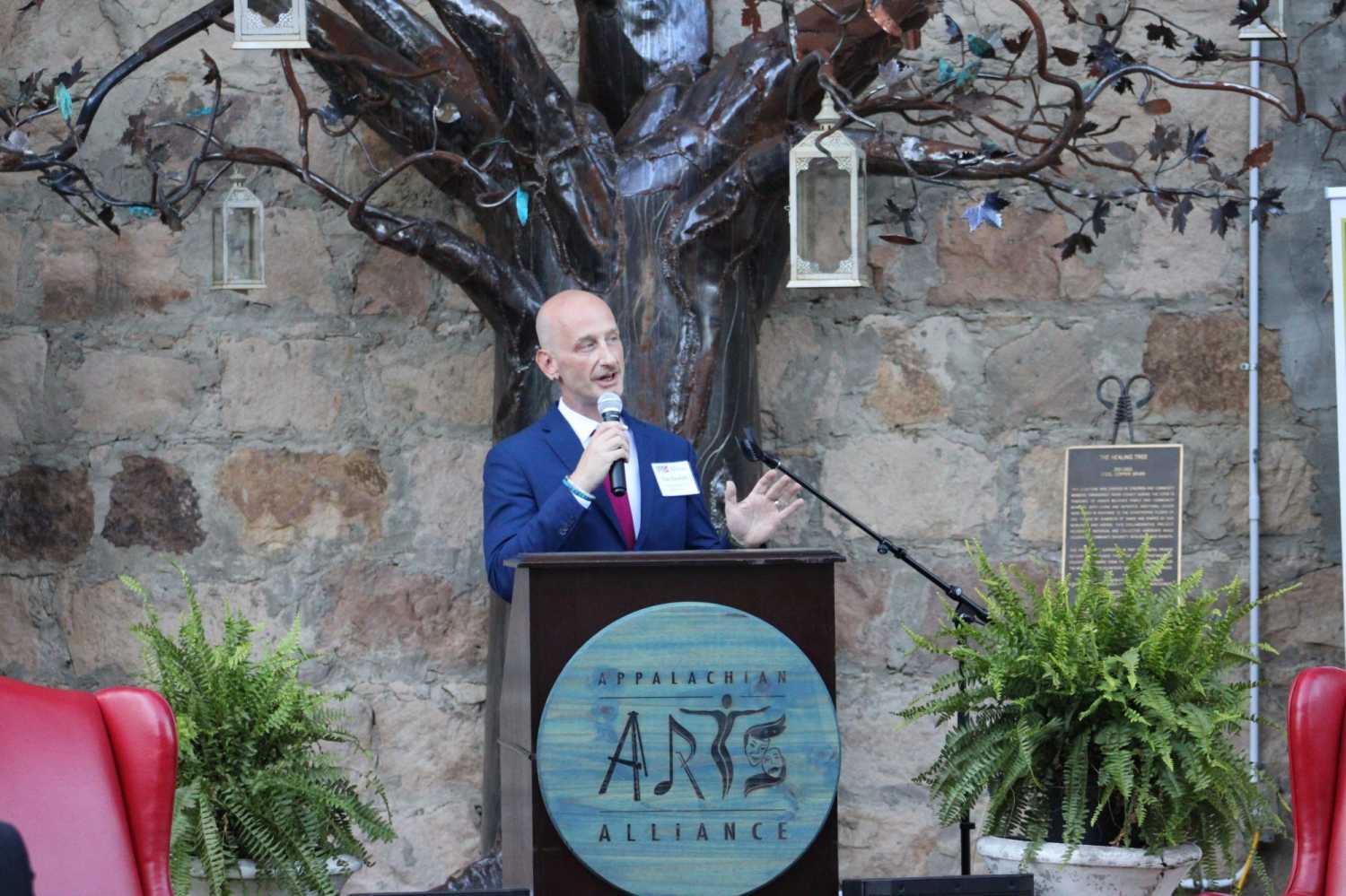
Hosting the Commission on its first evening at ArtStation, the Hazard arts and culture venue, Executive Director Tim Deaton asserted that rural America is not a relic of the past, but a place where the future is being actively written.

Commission preparing for small-group tours led by Stacie Fugate (Executive Director of Appalachians for Appalachia), Joey Jones (Downtown Coordinator for the City of Hazard), and Bailey Richards (Director of Business Support at Mountain Association).

“Small Town, Big Deal”—the Commission’s stop in Manchester, Kentucky.
Flood recovery reveals where federal systems lose pace with rural rebuilding
Eastern Kentucky has been shaped by recent floods. In 2022, a storm classified by the National Weather Service as a 1-in-1000-year event killed dozens of residents and damaged or destroyed thousands of homes, becoming one of the deadliest disasters to hit the region in decades. Commission members met with emergency management and disaster recovery officials who oversaw the response and subsequent recovery. They described what it means to respond when the responders themselves are affected, especially when roads, bridges, and communications systems are down, and some communities are cut off entirely.
The Commission heard a consistent refrain: Federal partners were essential to the immediate response and subsequent recovery, but cumbersome processes regarding reimbursements, assessments, reporting, infrastructure, and buyouts significantly slowed progress. Delays raise serious concerns about long-term consequences for these rural communities. When residents cannot rebuild quickly or find nearby replacement housing, they may leave the region, further weakening local tax bases, workforces, and civic capacity. Speakers stressed that FEMA should remain a central partner, but that any effort to reform should make recovery funds faster, clearer, and more flexible for the rural communities and residents trying to rebuild.
And the power of public-private partnerships was on full display during the Commission’s visit to Chestnut Ridge, a new housing development that will ultimately consist of 200 homes on higher ground. The mix of home sizes, price points, and nonprofit development partners has resulted in a diversity of households and enabled early phases to get built quickly while larger-scale public dollars are assembled to complete later portions of the development, alongside ongoing work to restore bridges, roads, water systems, and other public facilities. These homes illustrate how housing recovery in rural disaster zones is a long-term development strategy, one that helps determine whether displaced residents have a viable way to remain in the region, and the importance of civic infrastructure—such as Craft Philanthropy, FAHE, the Housing Development Alliance, and the Foundation for Appalachian Kentucky—in making it happen.
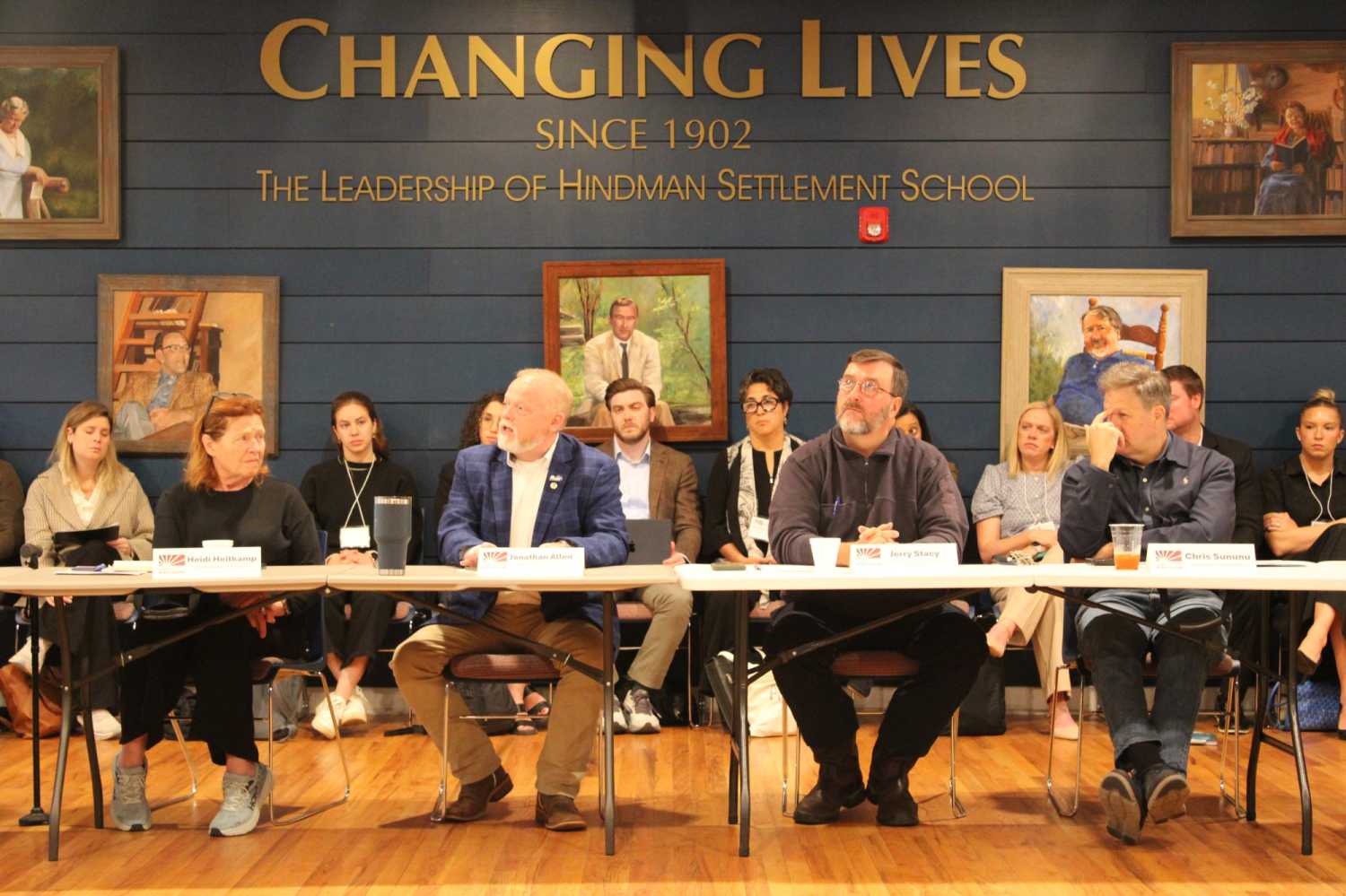
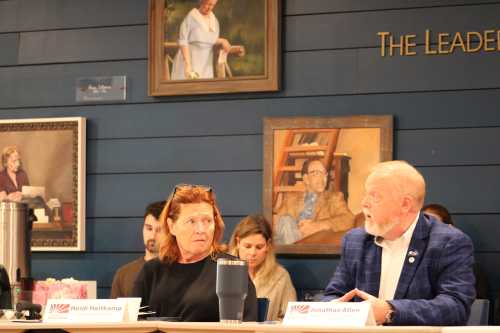
At Hindman Settlement School—itself rebuilding from the 2022 floodwaters that swept through its campus—the Commission met with Jerry Stacy (Emergency Management Director for Perry County) and Jonathan Allen (Director of Disaster Recovery Services at Nesbitt Engineering).
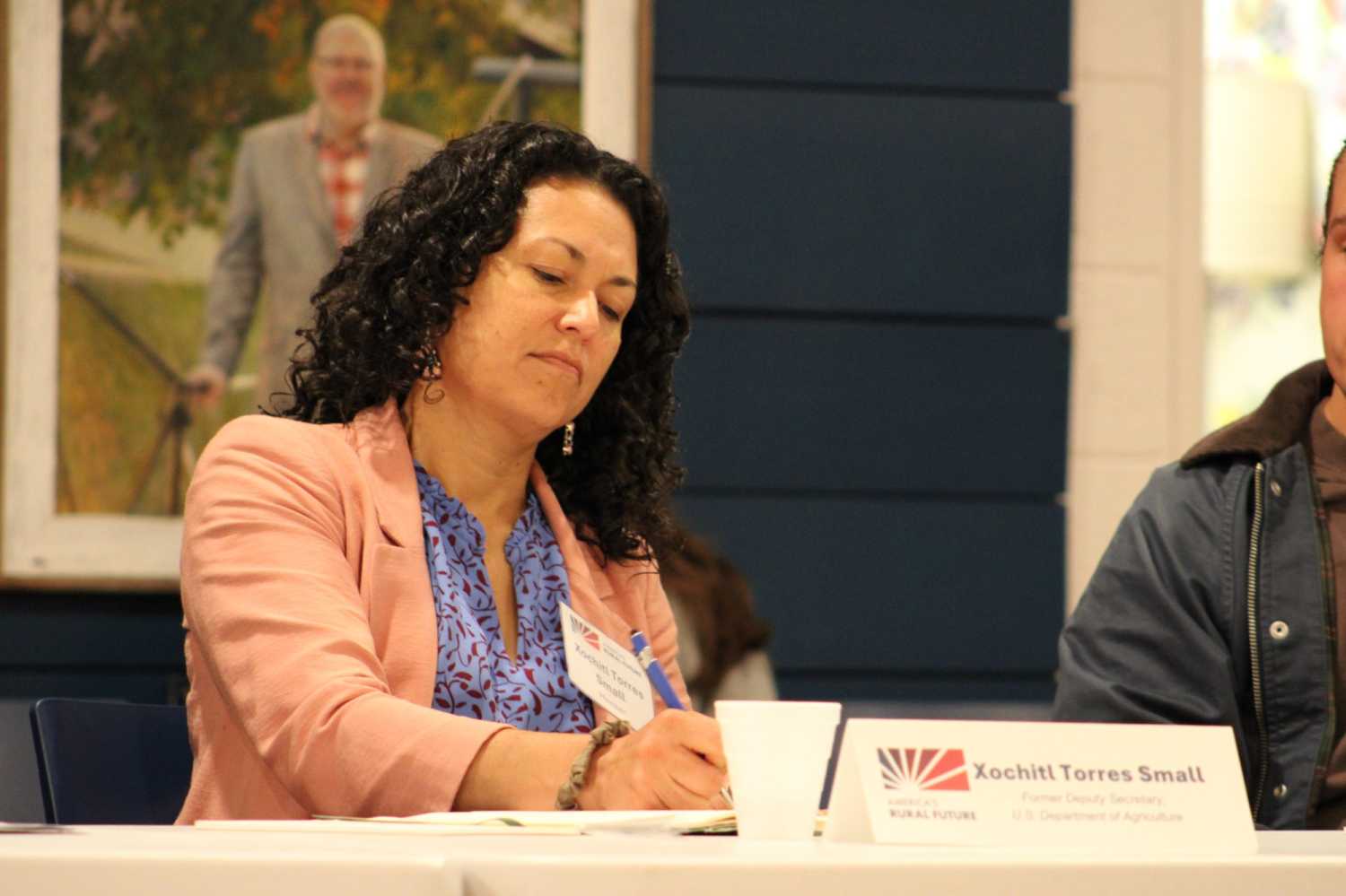
Commission Member Xochitl Torres Small takes notes during the session.
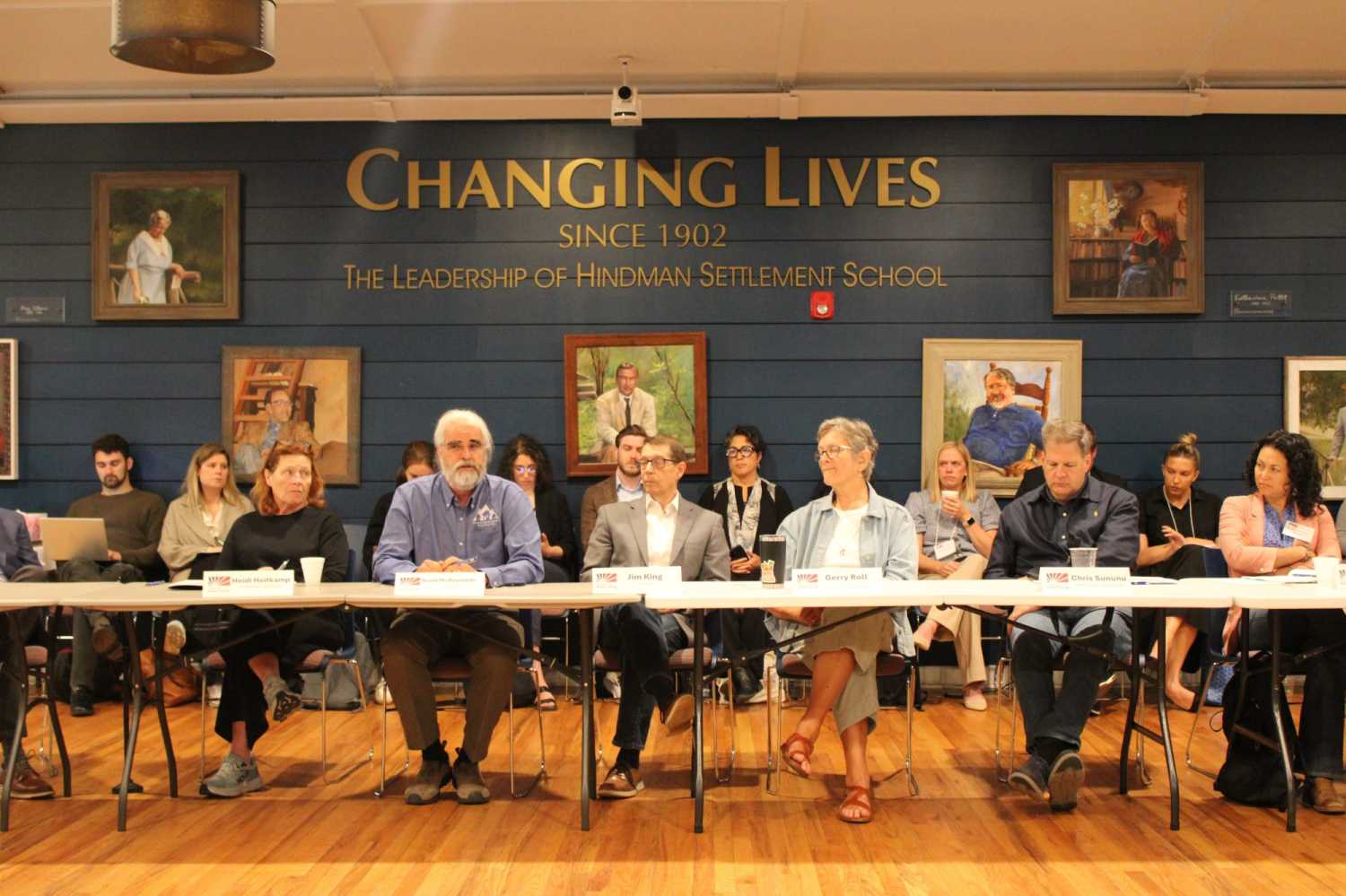
Gerry Roll, founder of the Foundation for Appalachian Kentucky; Jim King, CEO of Fahe; and Scott McReynolds, executive director of Housing Development Alliance, described the housing finance and partnership architecture required to rebuild at scale in a region where existing affordable stock was already constrained before the floods.
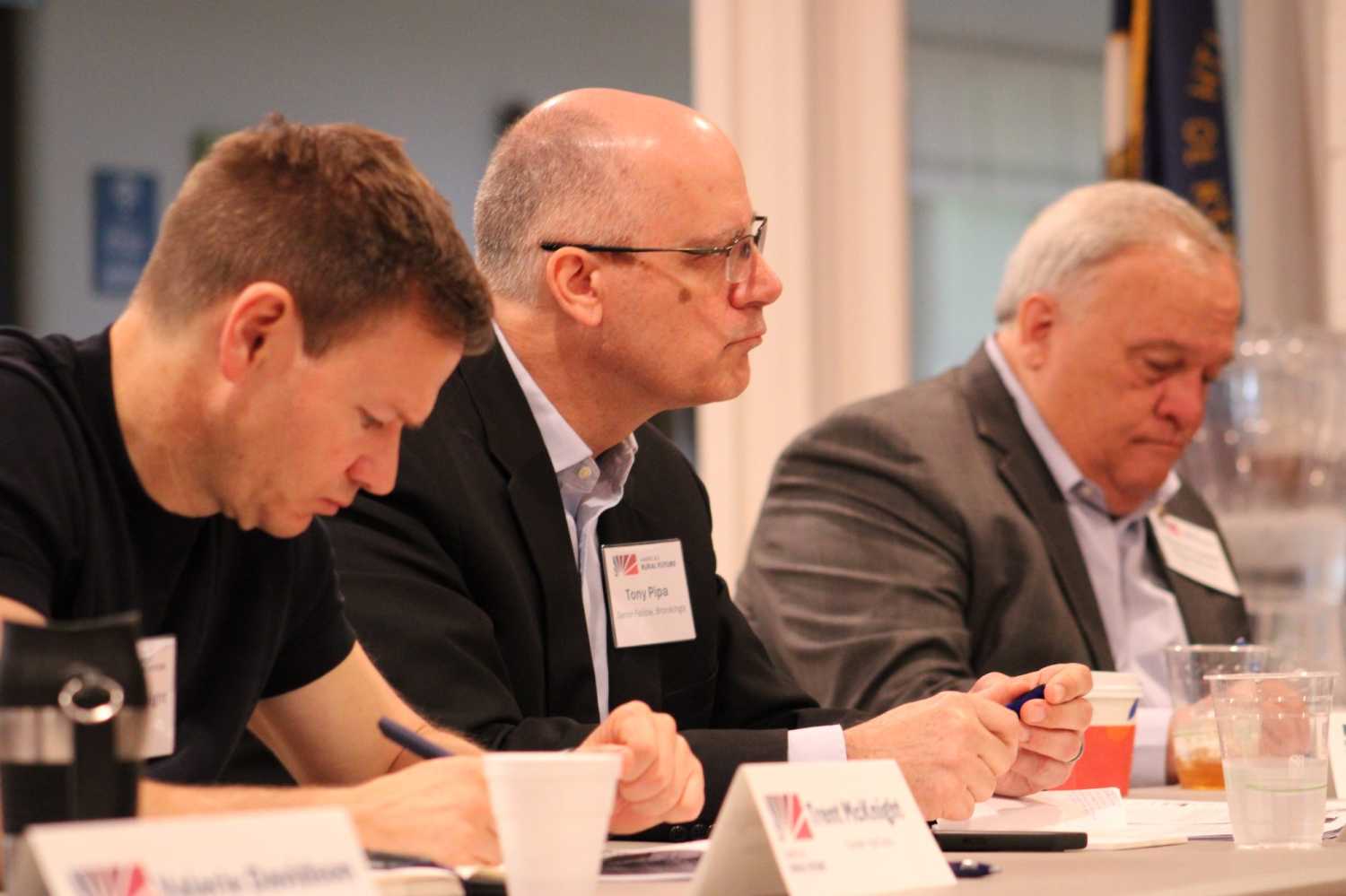
Commission Member Trent McKnight and Senior Fellow Tony Pipa during the session; Kentucky Senate President Robert Stivers in the background.
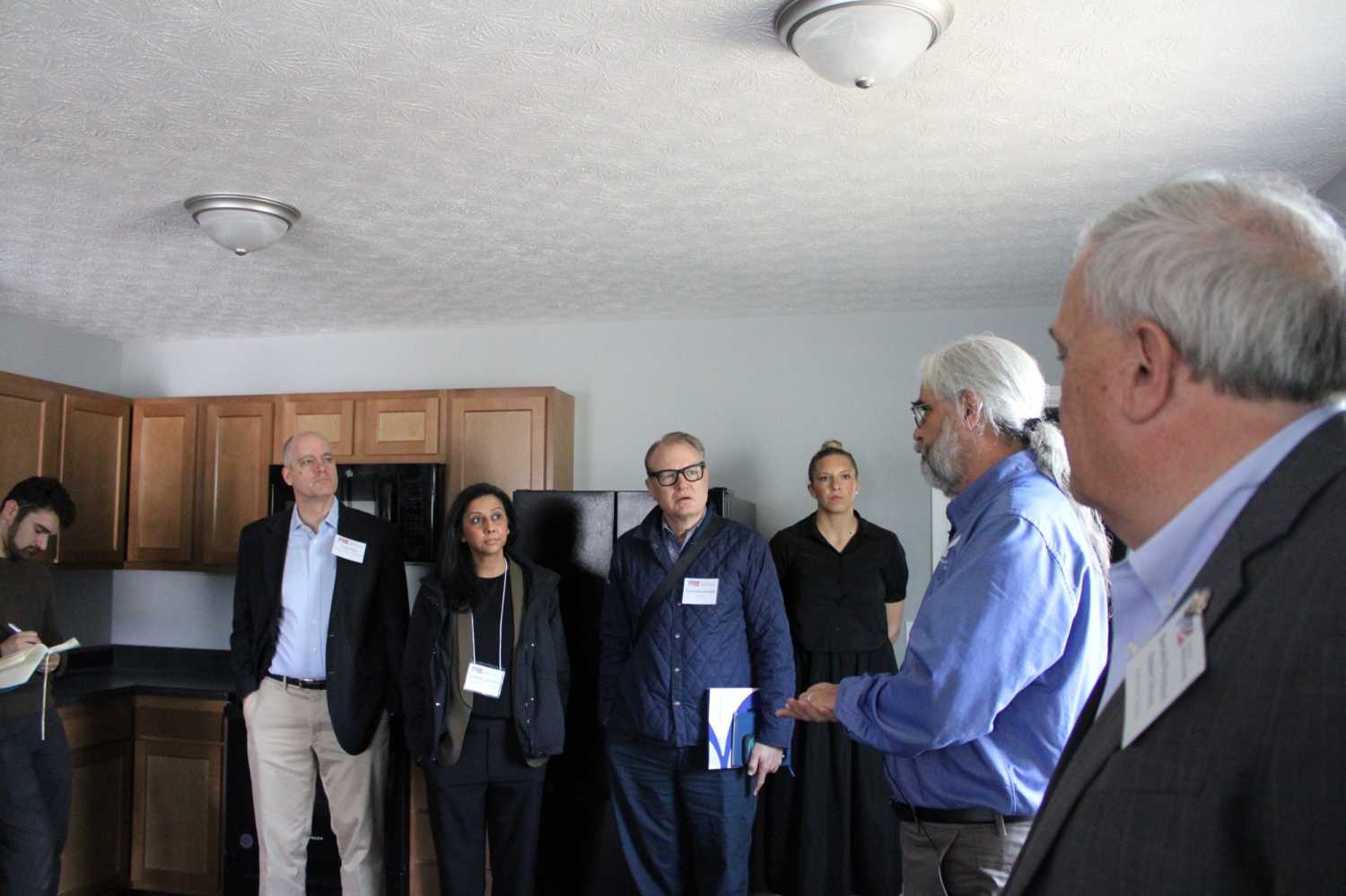
Senior Fellow Tony Pipa, Commission Member Tom Halverson, among others, tour a newly built home at the Chestnut Ridge development.
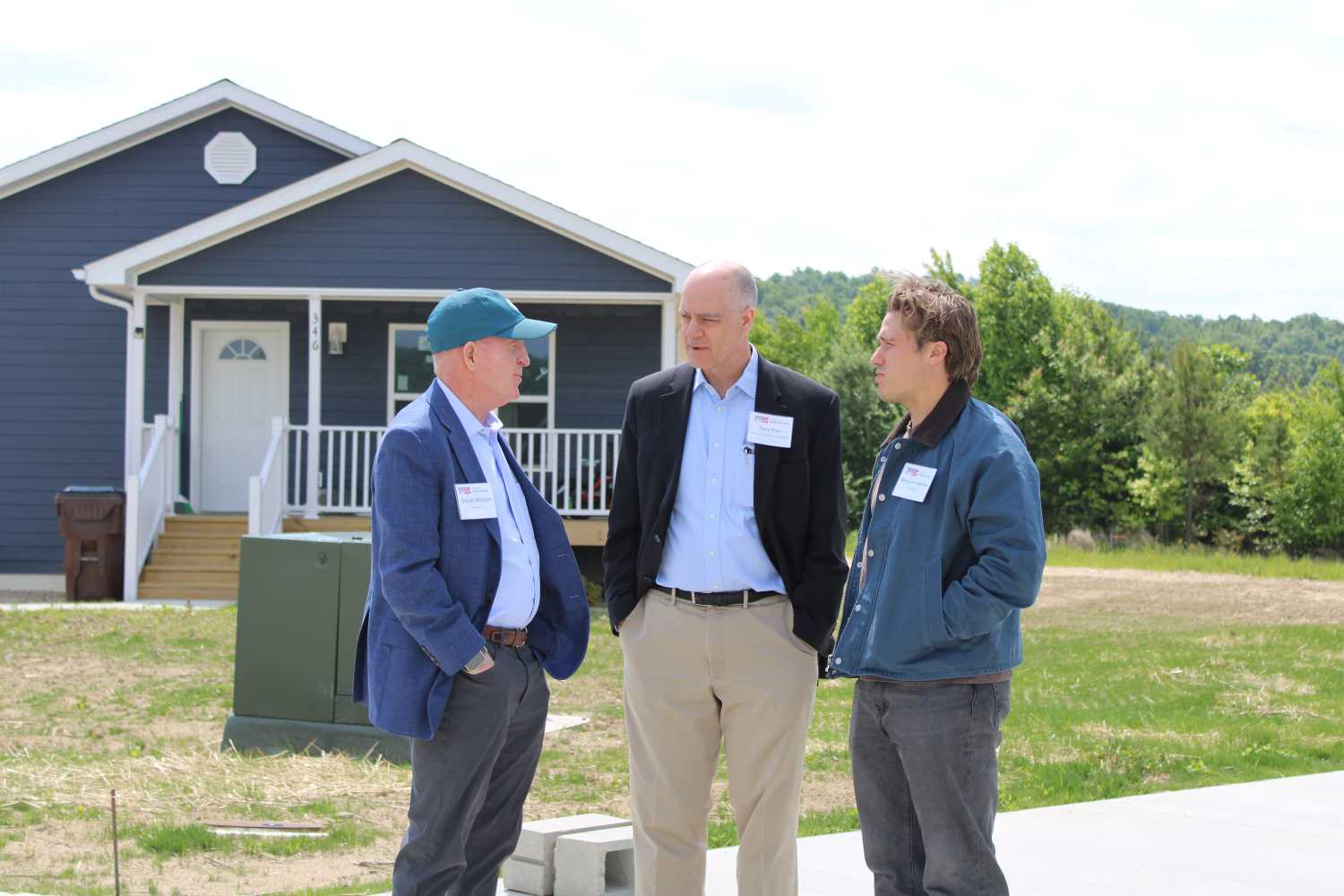
Commission Members Stephen Wilson and Benji Backer with Senior Fellow Tony Pipa outside a newly built home at Chestnut Ridge.
Building a workforce and recovery infrastructure for what comes next
A major theme throughout the Commission’s visit was that the decline of coal reshaped Eastern Kentucky’s economy in ways that extend beyond the loss of mining jobs. Coal had long supported a broader network of related employment, local revenue, and business activity, and its decline left many communities searching for new sources of job creation and economic stability. That transition has contributed to population loss and made it harder for some communities to attract new employers, particularly where the workforce, infrastructure, and local institutions were built around a much different economic base.
To respond, business leaders, educators, and community officials emphasized the need for clearer education-to-job pipelines that connect students and adult learners with the skills local employers need. Speakers described the importance of aligning postsecondary programs with regional economic development goals, and how local place-based partnerships can align responsive local institutions to help rural communities support their students on the path to opportunity while making the region attractive to prospective employers. Workforce development must work in both directions: Employers need confidence that the region can prepare skilled workers, and residents need to see that education and training lead to real opportunities close to home. The Commission also heard about Opportunity Zones 2.0 and other approaches to stimulate new investment and jobs.
In Manchester, local leaders described how Clay County is working to address the lasting effects of the opioid crisis as part of a broader community renewal strategy. Speakers placed substance-use recovery in the context of economic transition, outmigration, and the availability of local jobs and opportunities, and identified policy gaps that disrupt the consistency of care needed for success.
The Manchester model emphasized that treatment must extend beyond the initial period of sobriety. The approach combined residential treatment, mental health care, staff with lived experience, employment connections, transitional housing, and continued follow-up with graduates and their children. The discussions clarified that effective substance-use recovery in rural communities requires sustained relationships, reliable funding, and coordination across health care, housing, workforce, child welfare, and re-entry systems, especially for people leaving jail or prison who remain at high risk of relapse.

Commission Member Valerie Davidson speaks with students and Gerry Roll, founder of the Foundation for Appalachian Kentucky, during lunch in downtown Hazard.
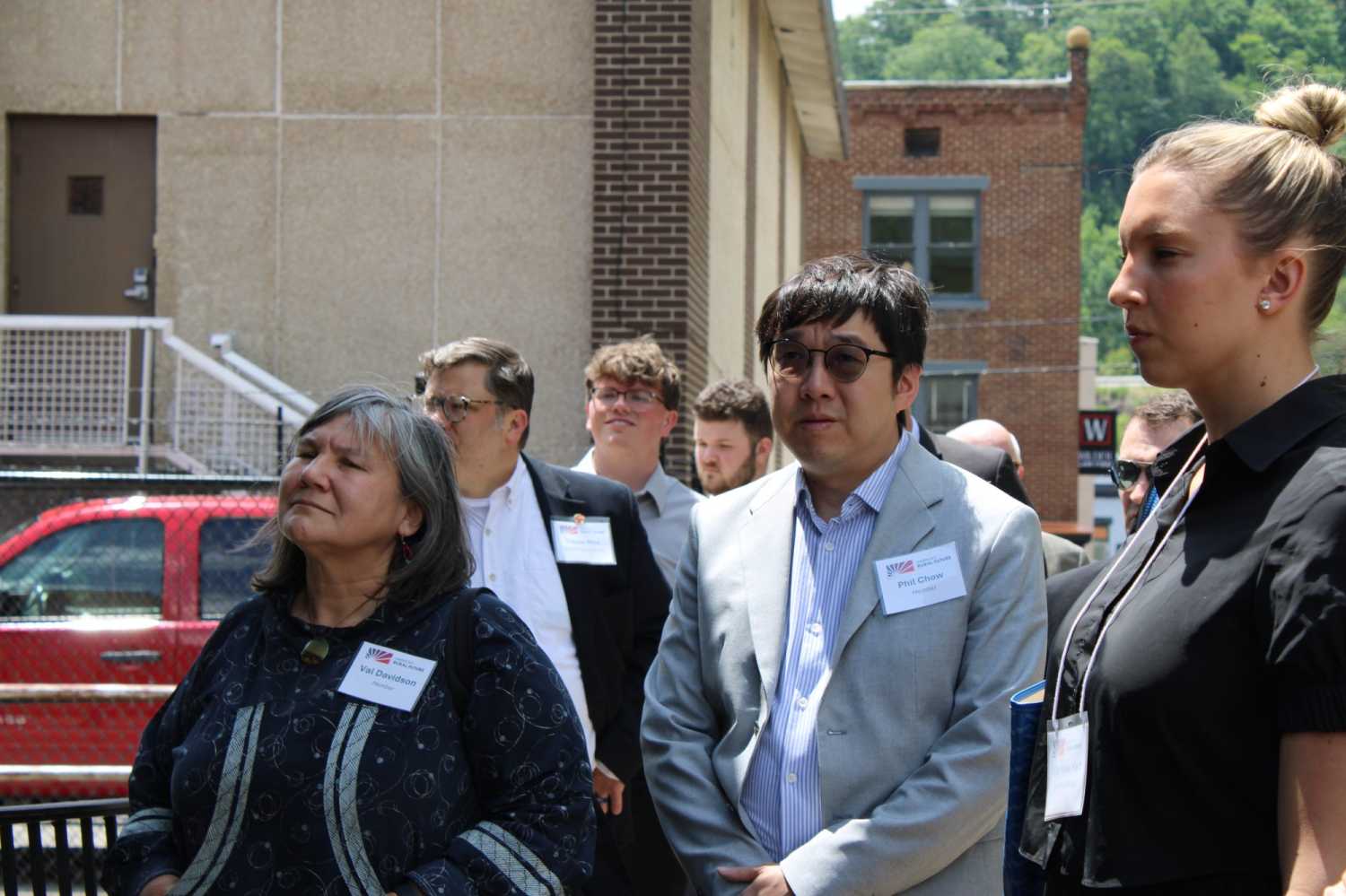
Commission Members Valerie Davidson and Phil Chow during the downtown Hazard walking tour.
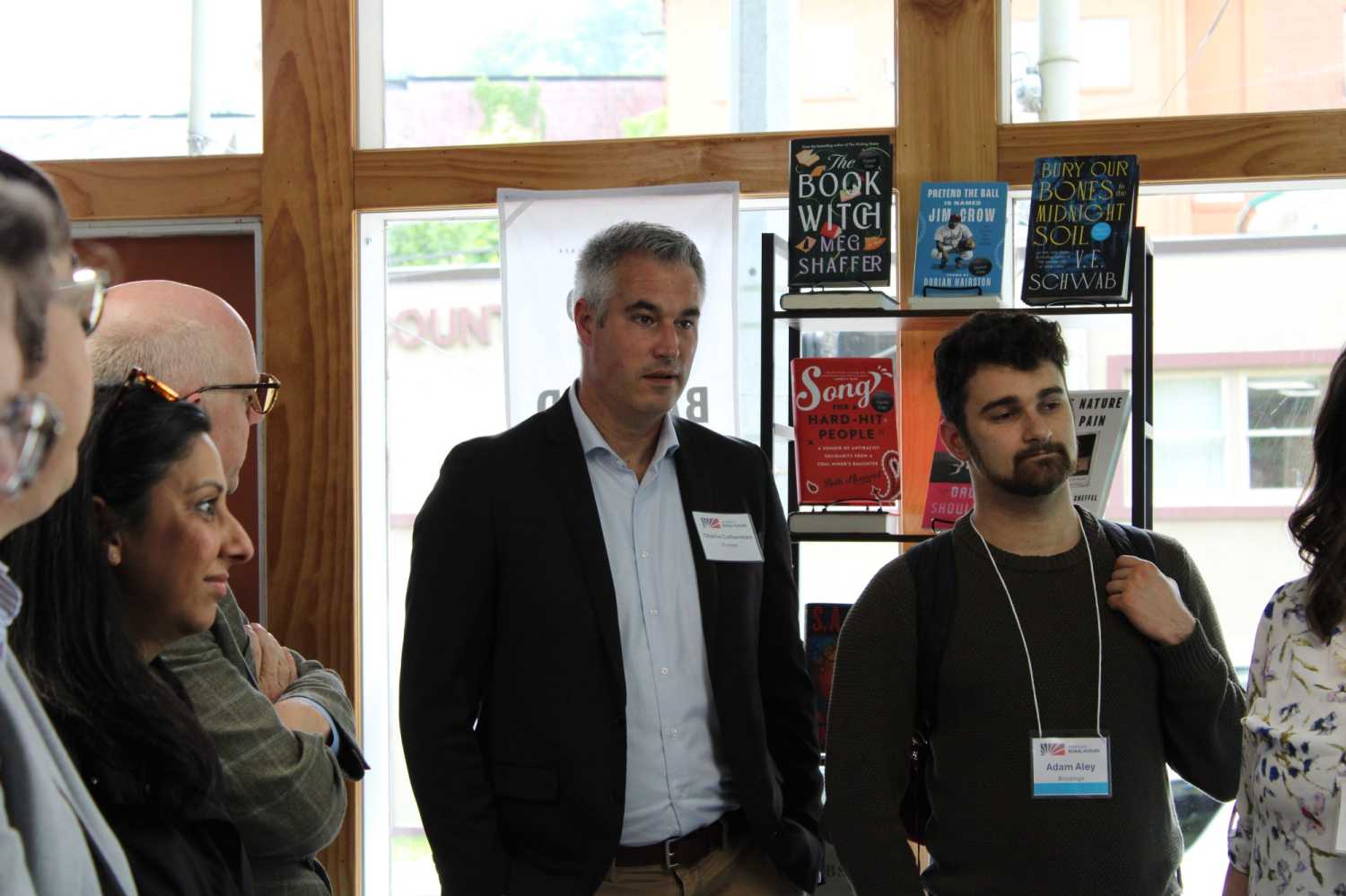
Commission Member Charlie Cotherman at Read Spotted Newt bookstore during the downtown Hazard walking tour.
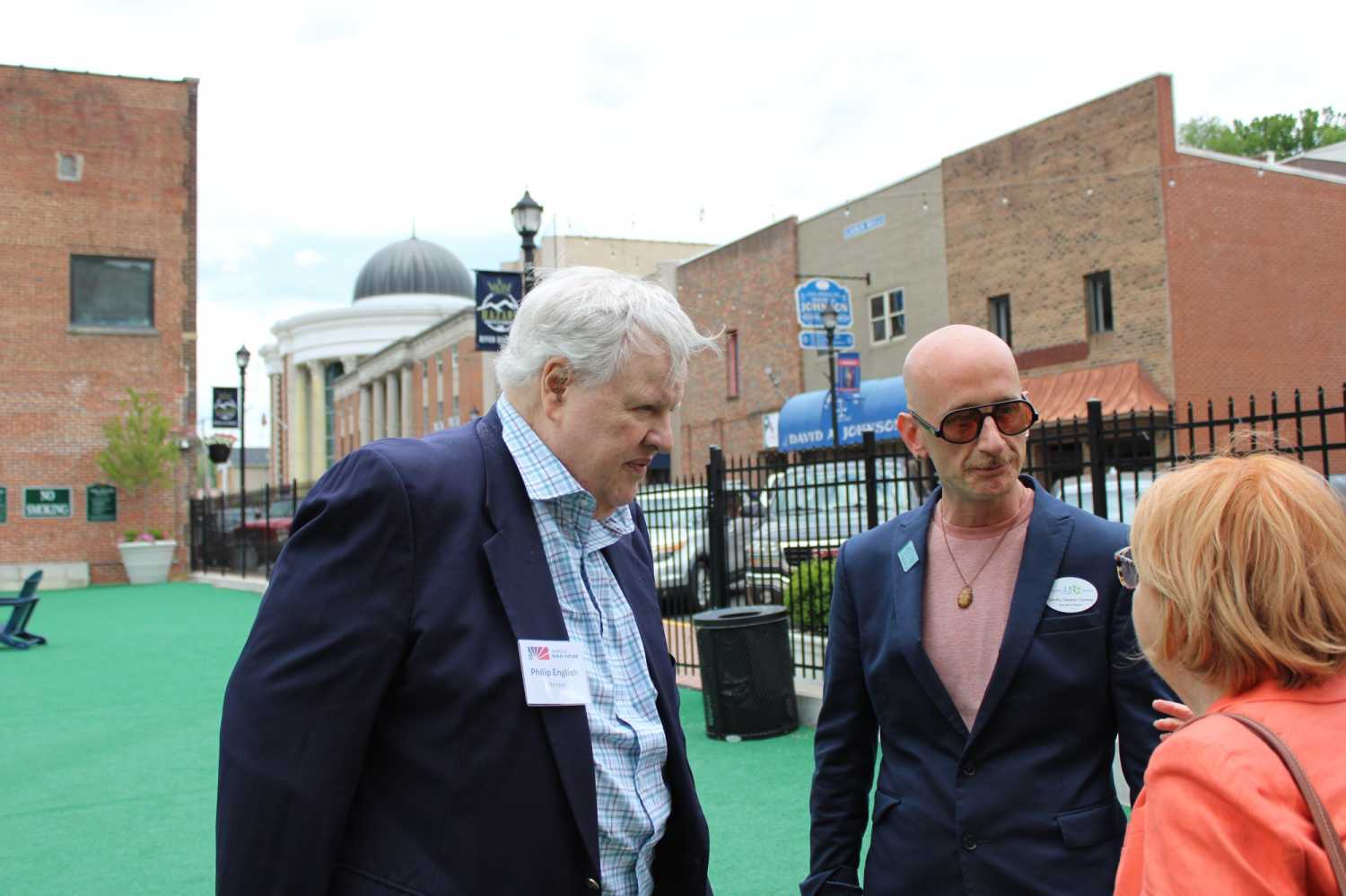
Commission Member Phil English with Tim Deaton of Art Station in downtown Hazard.
Civic infrastructure as the architecture of opportunity in place
The public panel at Hazard Community and Technical College highlighted how federal programs such as the Promise Neighborhoods and AmeriCorps have supported community development efforts, though panelists noted that more can be done to better tailor programs to rural contexts. Panelists also raised concerns about how implementation of H.R. 1—the budget reconciliation bill enacted in 2025—could affect rural communities through significant changes to Medicaid and SNAP. Appalachian Regional Healthcare was described as one of the region’s largest employers and an economic anchor, while its hospital and clinic network, disaster response work, and a new oncology center are the core infrastructure seeking to improve health outcomes in the region.
A major theme was the importance of stemming “brain drain” and giving young people chances for leadership and opportunities through initiatives such as Hazard’s Civic Fellowship Program and the Craft Academy for Excellence in Science and Mathematics. Audience comments reinforced these themes, raising the importance of STEM and robotics programs, stronger educational pathways, transportation access, and well-paying jobs that make staying or returning home more viable. Together, the panel framed civic infrastructure as the network of schools, health systems, youth programs, employers, and local partnerships that help the younger generation see opportunity in their hometowns.
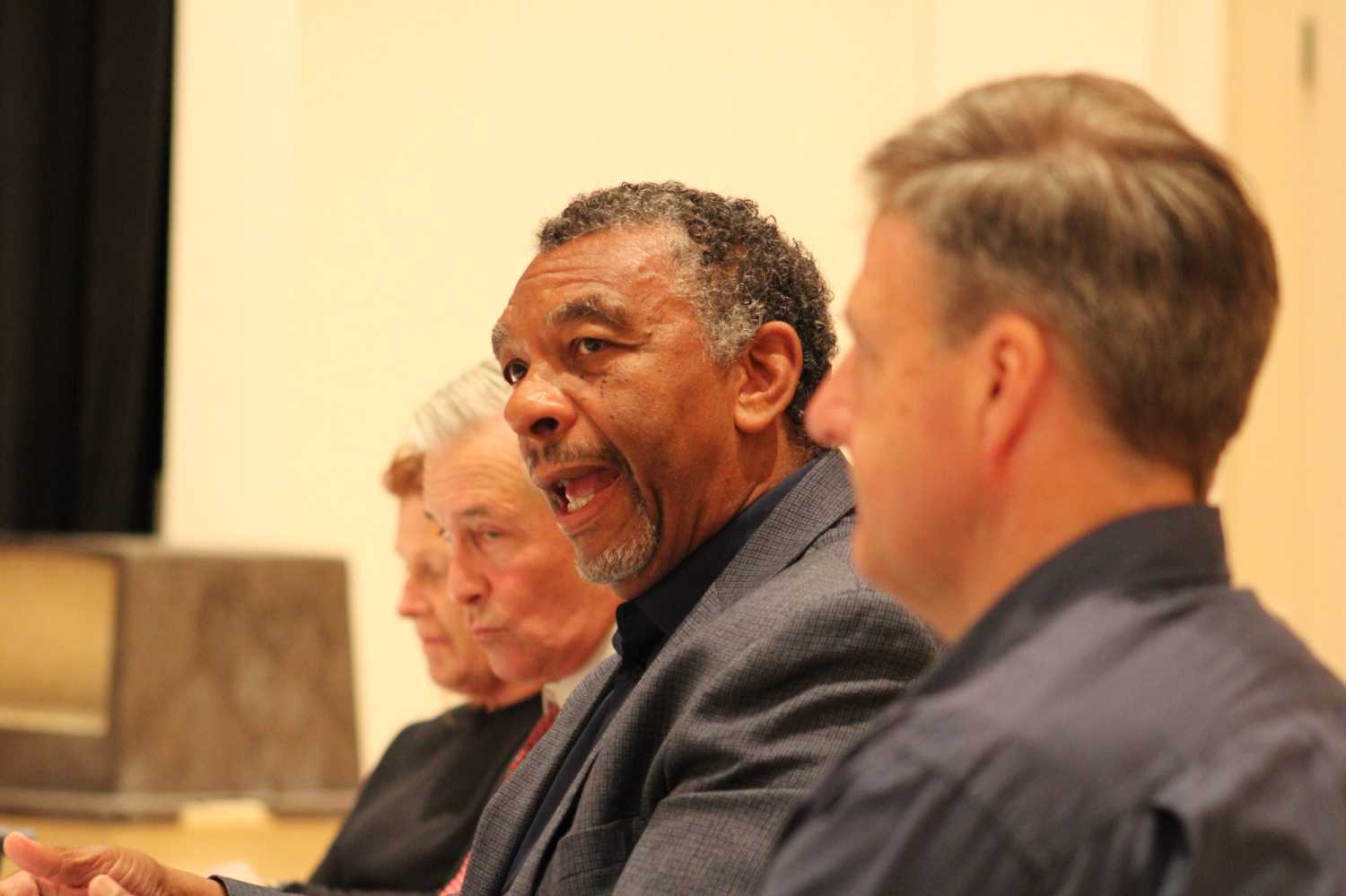
Aaron Thompson, president of the Kentucky Council on Postsecondary Education, addresses the Commission during the workforce session at Hazard Community and Technical College.
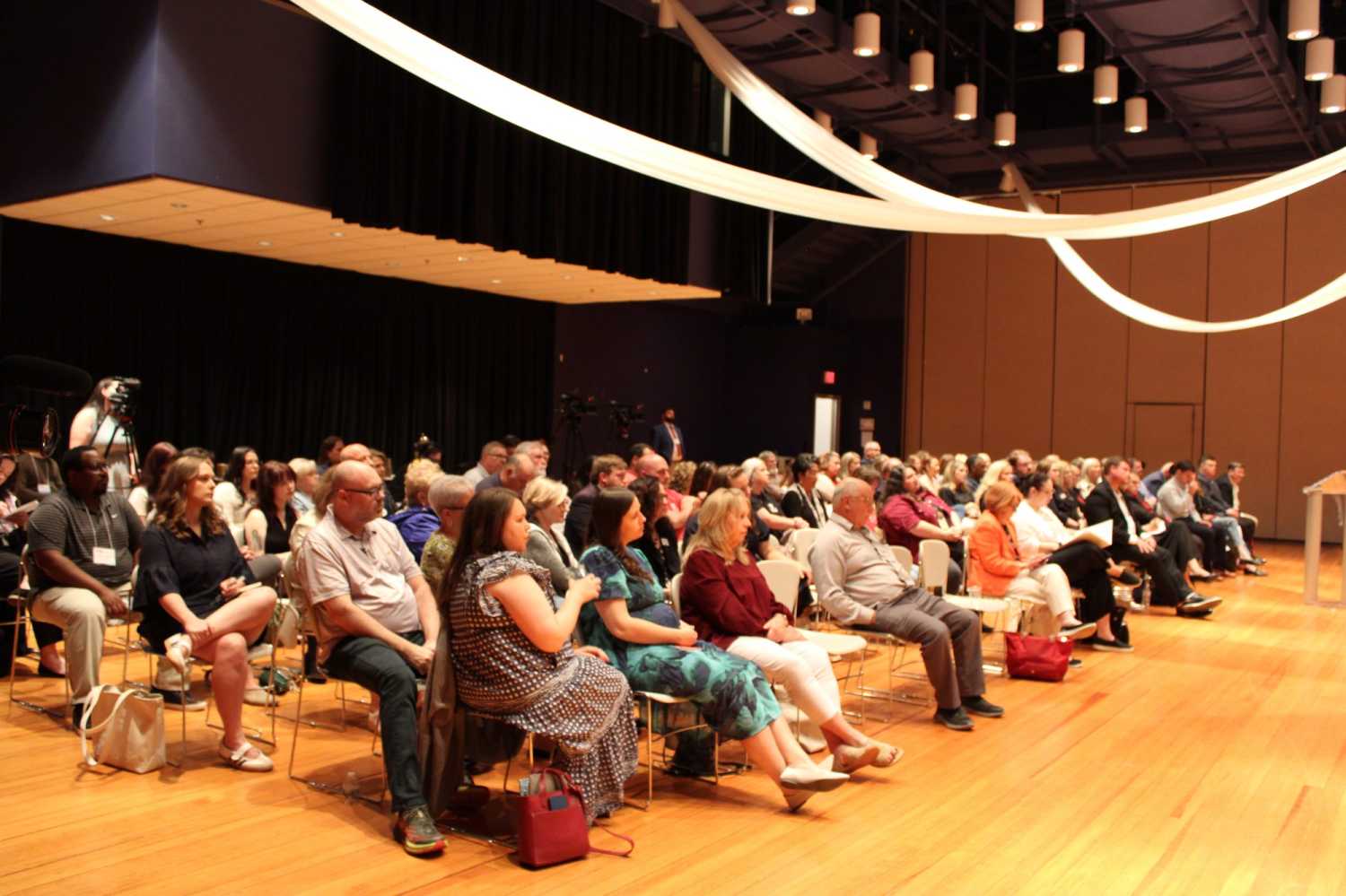
Hazard residents, students, and community leaders fill the public panel at Hazard Community and Technical College.
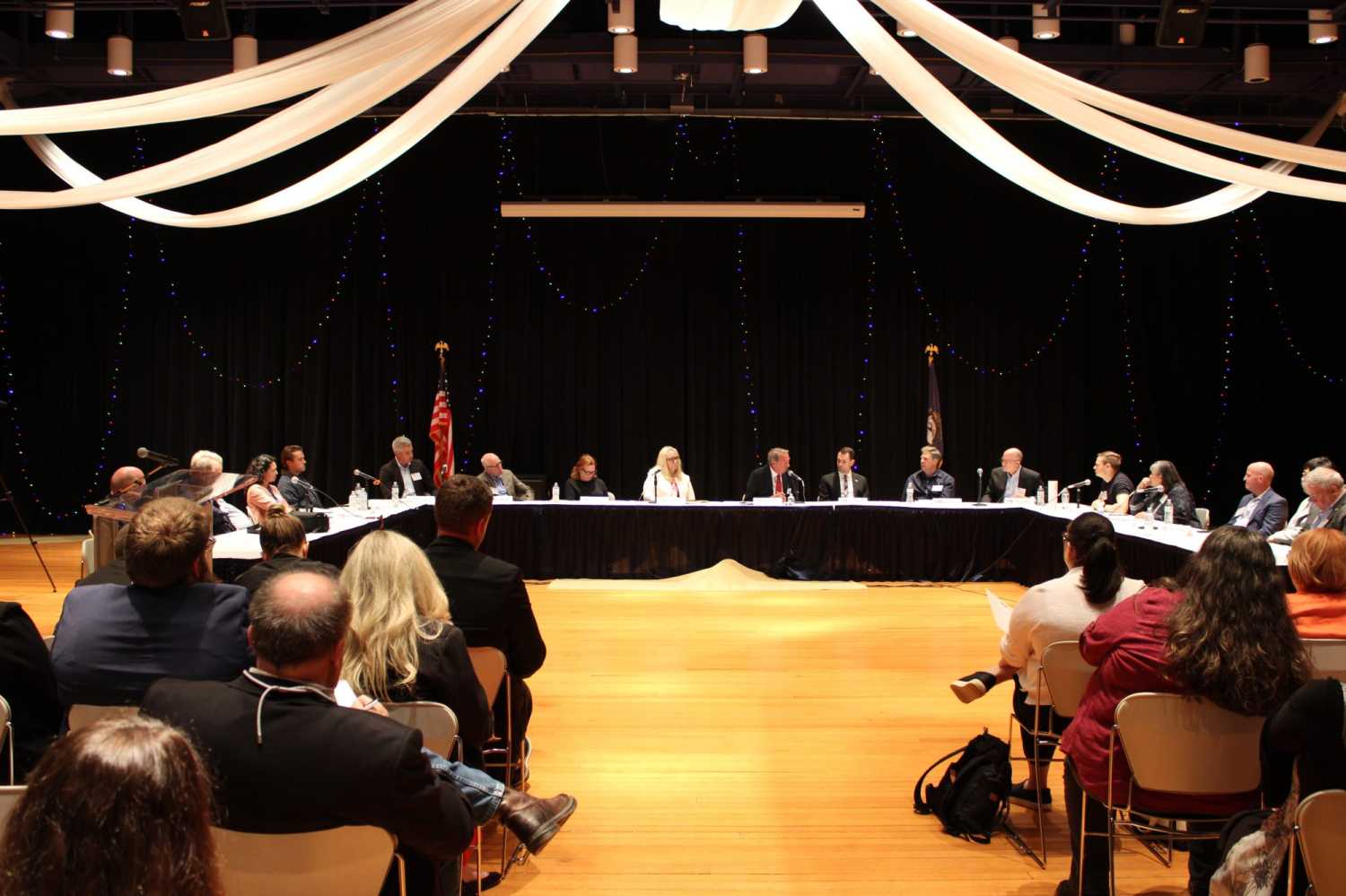
The Commission’s public field hearing at Hazard Community and Technical College, hosted by Dr. Jennifer Lindon, the President of the community college, with panelists Rocky Massey of Appalachian Regional Healthcare, Dreama Gentry of Partners for Rural Impact, and Hazard City Commissioner Luke Glaser.
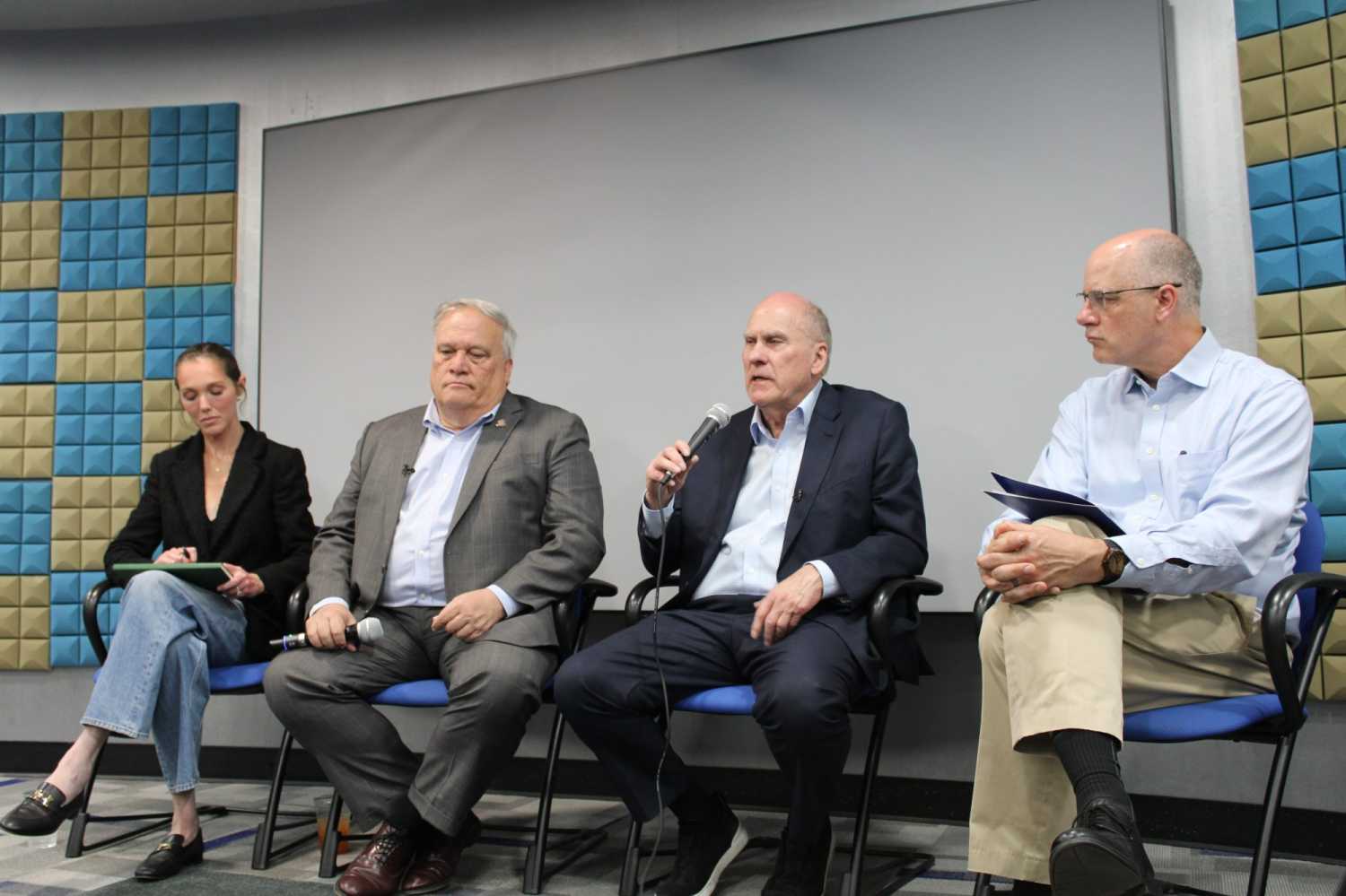
Alliance Resource Partners Chairman, President, and CEO Joe Craft and Kentucky Senate President Robert Stivers in conversation during a fireside chat at the Challenger Center.
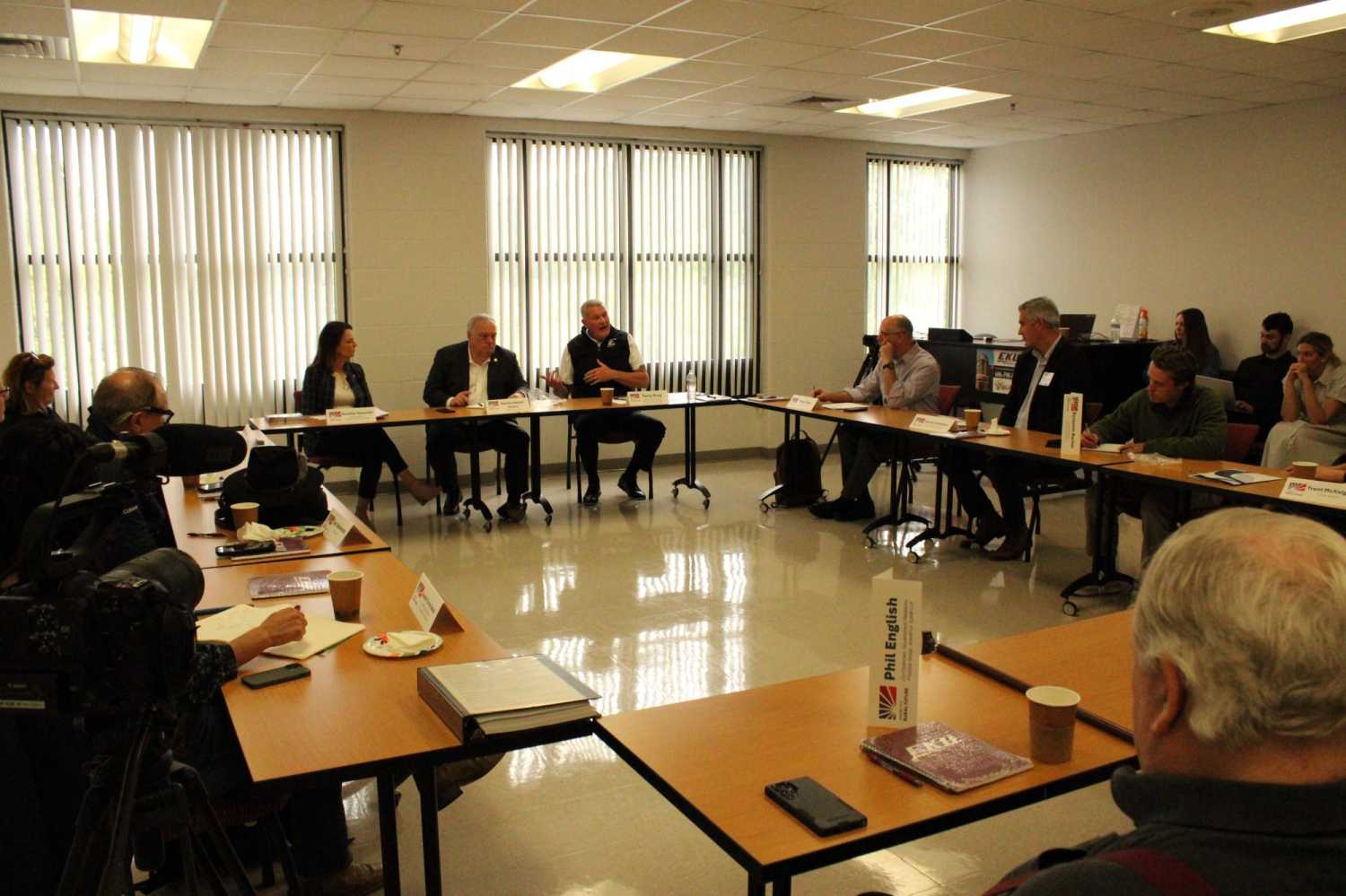
The Manchester working session at Eastern Kentucky University’s Manchester Regional Campus, with Jennifer Hancock of Volunteers of America of Mid-States, Kentucky Senate President Robert Stivers, and Terry Gray of Regional Programming & Stewardship.
Looking ahead
During its visit to Eastern Kentucky, the Commission encountered a region working through layered transition while actively shaping what comes next—and reshaping an external narrative that has often painted the region in a negative light. Instead of presenting recovery, revitalization, workforce development, health care, and youth opportunity as separate challenges, local leaders framed them as connected pieces of a broader effort to help residents remain rooted in place. From flood recovery and Main Street revival to employer-aligned training and long-term substance-use recovery, the visit showed how rural viability is built on the strength of local institutions, civic participation, the ability to collaborate across sectors, and an intentional investment in the next-generation leadership.
The Commission observed similarities in themes that emerged during previous visits to North Dakota and Minnesota and the Mississippi Delta—communities with assets, leadership, and ideas, working with federal and financing systems that are too often inaccessible and mismatched with the realities on the ground. As the Commission continues its work, the experiences of Eastern Kentucky will inform its thinking on how federal, state, philanthropic, and local partners can better support communities navigating economic transition, disaster risk, and demographic change. These insights will contribute to the Commission’s final recommendations in 2027.
Coverage from Eastern Kentucky media highlights the Commission’s listening tour
- The Mountain Eagle, May 6, 2026. “Can eastern Kentucky reverse ‘brain drain’? Panel will gather in Hazard to discuss it”
- Hazard Herald, May 6, 2026. “Hazard writing its next chapter on its own terms” (Op-ed by Tony Pipa and Luke Glaser)
- WYMT-TV, May 12, 2026. Steve Hensley, “Issues and Answers – Brookings-AEI Commission on U.S. Rural Prosperity”
- WYMT-TV, May 13, 2026. Neeley Greene, “Bipartisan commission holds hearing in Hazard on rural issues”
- WEKU, NPR for Central and Eastern Kentucky, May 14, 2026. “Think tank groups discuss rural communities, youth opportunity in Hazard”
More from America's Rural Future
Authors


America’s Rural Future: Brookings-AEI Commission on U.S. Rural Prosperity is a bipartisan endeavor to enable rural prosperity by strengthening economic opportunity, resilience, and quality of life across rural America. Learn more.
-
Acknowledgements and disclosures
The Brookings Institution is a nonprofit organization devoted to independent research and policy solutions. Its mission is to conduct high-quality, independent research and based on that research, to provide innovative, practical recommendations for policymakers and the public.
The Brookings-AEI Commission on U.S. Rural Prosperity and associated work is supported by the Robert Wood Johnson Foundation, CoBank, and The SCAN Foundation. Ascendium Education Group provides support for highlighting the Commission’s work through the Reimagine Rural podcast.
The conclusions and recommendations of the Commission are solely those of its member(s), and do not reflect the views or policies of Brookings or AEI, their management teams, other scholars, or the funders acknowledged above. The points summarized in this commentary reflect the perspectives of expert witnesses and local speakers who participated in the field hearings.
This summary benefited from the support of the project team, including Elyse Painter, Christa Lanning, and Paul Ciaramitaro, who led planning and coordination for the field hearings and site visits. Anya Kasubhai provided detailed notetaking. Together, their efforts allowed for effective Commission engagement, community outreach, and local coordination.
The Brookings Institution is committed to quality, independence, and impact.
We are supported by a diverse array of funders. In line with our values and policies, each Brookings publication represents the sole views of its author(s).


Commentary
America’s Rural Future: Eastern Kentucky site visits highlight locally led recovery, Main Street reinvestment, and civic institutions anchoring a region in transition
Hazard, Hindman, and Manchester, Kentucky | May 12-14, 2026
June 22, 2026