Emerging Markets & Developing Economies
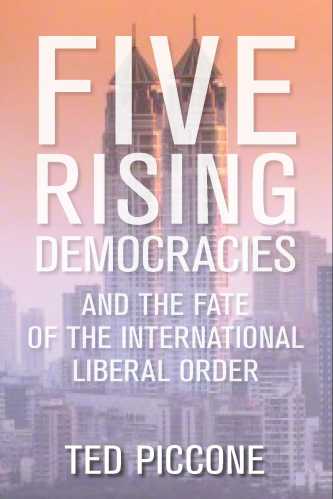
Five Rising Democracies
5:30 pm EDT - 7:00 pm EDT
Past Event
5:30 pm - 7:00 pm EDT
1775 Massachusetts Avenue N.W.
Washington, DC
20036
For much of the globe, a democratic flourishing marked the post-Cold War era. After the 20th century struggles against fascism and communism, the world witnessed an expansion of democratic governance as new institutions took root. Overcoming continuing obstacles and setbacks, actors pushed forward a vision based in responsible governance and human rights. Yet, despite the successes of yesterday, now democracies both new and old are under assault. Forces of populism and illiberalism threaten the institutions that underlie liberal democratic governance. Once seemingly certain, democracy’s future is increasingly murky.
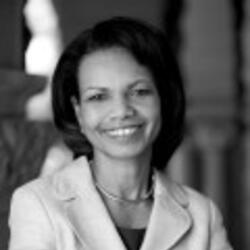
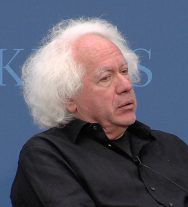
On May 11, Foreign Policy at Brookings hosted Dr. Condoleezza Rice, former U.S. secretary of state and the Thomas and Barbara Stephenson senior fellow on Public Policy at the Hoover Institution at Stanford University, for a discussion on the story of democracy both past and present. Drawing from her experiences in government and academia and her new book, “Democracy: Stories from the Long Road to Freedom,” Dr. Rice joined Leon Wieseltier, the Isaiah Berlin senior fellow in Culture and Policy at the Brookings Institution, for a conversation on democracy’s post-Cold War trajectory and the United States’ role in defending and promoting that system today.
Bruce Jones, vice president and director for Foreign Policy at Brookings, provided introductory remarks.
Related Content
2017