Brazil
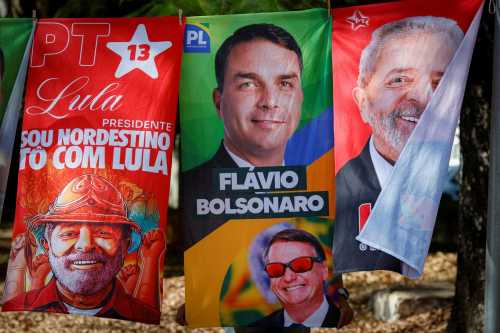
What kind of Brazil will emerge from this election?
10:00 am EDT - 11:00 am EDT
Past Event
10:00 am - 11:00 am EDT
Earlier this year, the Democratic Republic of the Congo’s (DRC) President Félix Tshisekedi began maneuvering for a third term, even though the constitution currently limits presidents to two terms. This prospect would require amending or reinterpreting the DRC’s term limits and has reignited debates over the durability of the country’s constitutional order. Simultaneously, the government is navigating a closely watched peace process in the east, where the U.S.-mediated deal with Rwanda has raised hopes of an end to decades of conflict driven by M23 and other armed groups, even as past agreements have repeatedly faltered. With the drawdown of the U.N.-led peacekeeping mission, the coming months will test the DRC’s political order and how peace can be negotiated between the two countries.
On July 29, the Africa Security Initiative at Brookings held an analytical discussion on Tshisekedi’s bid for a third term, the ongoing conflict in the east, and what both could mean for the DRC’s political stability and regional security.



Moderator