

Education leaders recognize that family, school, and community engagement (FSCE) is essential to student learning and well-being, but they often lack clear guidance on how to measure what matters.
In conversations with the Brookings Center for Universal Education (CUE), leaders of the Statewide Family Engagement Centers described a common challenge in measuring FSCE: There exists a wide range of ways to measure FSCE, but little guidance on which fits their purpose, and a lack of clarity on which existing tools measure what. “Tools that Fit: A Guide for Measuring Family, School, and Community Engagement” responds to this need by guiding education leaders through three decisions: why they want to measure FSCE, what approach best responds to their questions and contexts, and which tools they should use.
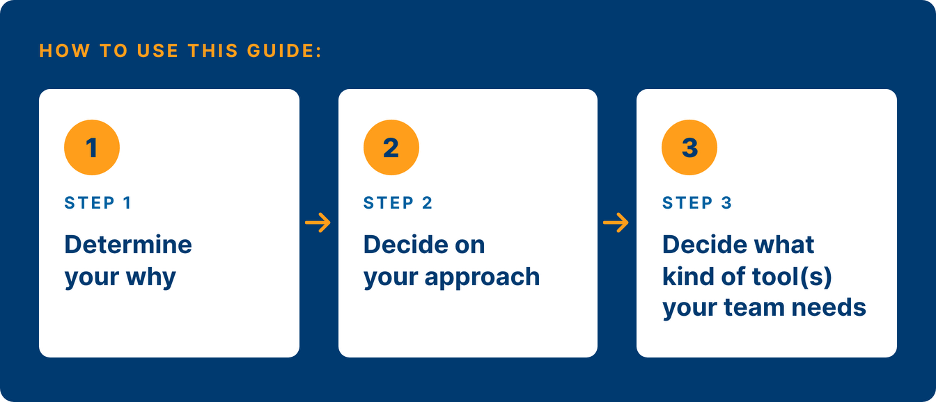
“Tools that Fit” focuses on quantitative tools (namely surveys and rubrics) and includes an inventory of existing tools with details on their purpose, participants, measures, languages, length, and cost. The guide also highlights the value of pairing these tools with other approaches such as interviews, focus group discussions, and observations to capture the relationships and experiences that numbers alone can miss. A companion workbook offers worksheets that walk teams through each step, helping them weigh their options and record their decisions as they go.
Please let us know how you use “Tools that Fit” and any questions at: [email protected].
Authors

Related Content



The Brookings Institution is committed to quality, independence, and impact.
We are supported by a diverse array of funders. In line with our values and policies, each Brookings publication represents the sole views of its author(s).