Jan 28

Past Event

State of the Union 2010: A Pivotal Moment

Event Materials

Video

Highlights

  • Thomas Mann

    The president's speech had a subtext intended for Hill Democrats. It assured them that all is well despite the Massachusetts Senate election outcome, Mann says.

    Thomas E. Mann

  • Some Countries Might Interpret SOTU Speech Badly

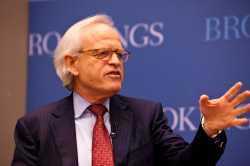
    Martin Indyk: Obama's focus in his State of the Union speech mostly on domestic policy could be interpreted by some countries as a sign that the U.S. is a waning power.

    Martin S. Indyk

  • Robert Puentes

    Obama expressed a number of bold ideas for the nation's infrastructure, a green economy and job growth, but none of that will matter, Puentes says, if our metro centers aren't kept healthy.

    Robert Puentes

  • Kemal Dervis

    Dervis says the president was on track with his message about climate change and creating the jobs of the future.

    Kemal Derviş

  • Karen Dynan

    The president made it clear, Dynan says, that the economy needs two things: a short term infusion of more stimulus dollars and a long term approach to fiscal discipline.

    Karen Dynan

Audio

Brookings Multimedia content requires JavaScript. Your browser either doesn't have JavaScript or doesn't have it enabled.

Instructions to enable JavaScript.

Summary

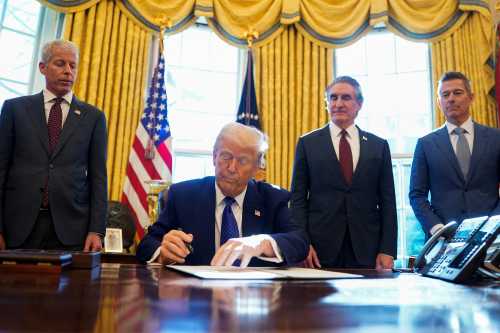
President Obama’s State of the Union address came at a critical time for his administration and for the country. A panel of Brookings experts discussed the political and policy implications of the speech, including:

  • Do we need more fiscal stimulus?
  • What is the role of cities, states and the national government in job creation?
  • Can America lead on climate change and green jobs?
  • Will the president’s focus on domestic policy signal to our enemies that America has little energy to spend on foreign affairs?
  • Did the speech rally Democrats to the cause of health care reform?


Overall, the president’s speech described a nation facing urgent policy questions. While economic conditions are improving, one in ten workers still lack jobs; hostilities continue in Afghanistan and Iraq; the passage of health care reform legislation has been called into question; and transnational threats such as climate change and nuclear proliferation demand American leadership.

On January 28, Brookings hosted a discussion of President Obama's first State of the Union and its impact on the policy agenda. Participants included Kemal Derviş, Brookings vice president and director of the Global Economy and Development program; Karen Dynan, Brookings vice president and co-director of the Economic Studies program; Martin Indyk, vice president and director of the Foreign Policy program; and Rob Puentes, senior fellow in the Metropolitan Policy program. Senior Fellow Thomas Mann led the discussion.

Details

January 28, 2010

1:00 PM - 2:30 PM EST

The Brookings Institution

Falk Auditorium

1775 Massachusetts Ave., NW

Map

For More Information

Brookings Office of Communications

(202) 797-6105

Event Agenda

  • Introduction

    • Portrait: Strobe Talbott

      Strobe Talbott

      President, The Brookings Institution

      Arms Control Initiative

  • Moderator

    • Thomas E. Mann

      Senior Fellow

      Governance Studies

  • Panelists

    • Portrait: Kemal Dervis

      Kemal Derviş

      Vice President and Director

      Global Economy and Development

    • Portrait: Karen Dynan

      Karen Dynan

      Vice President and Co-Director

      Economic Studies

    • Portrait: Martin Indyk

      Martin S. Indyk

      Vice President and Director

      Foreign Policy

    • Portrait: Rob Puentes

      Robert Puentes

      Senior Fellow

      Metropolitan Policy Program