
Campaigns & Elections
The midterm effect: What the 2026 election could mean for public policy
9:30 am EST - 11:55 am EST
Past Event
9:30 am - 11:55 am EST
1775 Massachusetts Ave NW
Washington, D.C.
20036
The world is entering a more dangerous nuclear era. Russia and China are simultaneously modernizing and expanding their nuclear arsenals, presenting the United States with the prospect of facing two nuclear peers for the first time in its history. The collapse of the New START treaty has removed the last remaining constraints on U.S. and Russian strategic nuclear forces. Escalating tensions over Iran’s nuclear program and instability in the Middle East and on the Korean Peninsula compound an already fraught threat environment. As U.S. extended deterrence commitments come under greater strain, the potential of allied proliferation risks further destabilizing an already volatile international order. Against this complex backdrop, longstanding assumptions about U.S. nuclear posture, modernization requirements, nuclear testing, arms control, the governance of emerging technologies with nuclear implications, and the future of initiatives like U.S. President Donald Trump’s “Golden Dome” missile and drone defense system are all under scrutiny.
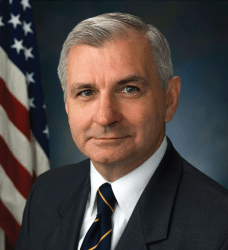
On February 27, the Strobe Talbott Center for Security, Strategy, and Technology at Brookings held a forum to examine the evolving nuclear threat environment and the policy choices confronting the United States. The event featured expert panels on the changing global nuclear landscape and the way forward for U.S. nuclear policy, as well as a moderated keynote discussion with Senator Jack Reed on the implications for American national security.
Online viewers submitted questions via e-mail to [email protected].
9:30 am - 10:15 am


Moderator
10:15 am - 11:00 am
Moderator

11:00 am - 11:10 am
11:10 am - 11:55 am

Moderator