Ukraine
Why South Korea and Ukraine are fighting over two prisoners of war
10:00 am EDT - 11:00 am EDT
Past Event
10:00 am - 11:00 am EDT
1775 Massachusetts Ave. NW
Washington, D.C.
20036
North Korea remains one of the most opaque and tightly controlled political systems in the world, shaped by a blend of authoritarianism, dynastic leadership, and state ideology. Across three generations of leadership, the Kim dynasty continues to lean on strict internal control to maintain its grip on power. At the same time, Pyongyang is deepening its alignment with Russia, China, and Iran to better position itself in a shifting world order. How is the regime adapting to the modern era? What are the policy drivers at home and abroad? What are the prospects and challenges for a fourth-generation leadership transition?
On April 27, the Center for Asia Policy Studies at Brookings hosted a public event to examine the Kim dynasty’s evolving ideology and worldview across three generations of leadership. Drawing on deep expertise in North Korea’s history, leadership, and politics, the panelists explored the implications for domestic and foreign policy and what they may mean for regional and international order.

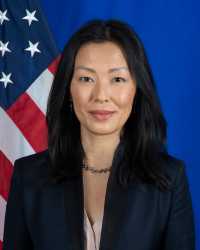
Moderator