

Pakistan’s internal dynamics and changing role in the world
Past Event
For the last two decades, discussions on Pakistan have centered around the U.S. war in Afghanistan and on Pakistan’s struggle with extremism, while its rich history, complex internal dynamics, and the aspirations of its citizens were largely excluded from the narrative. Nearly 20 years after 9/11, it is time for the United States to reexamine its relationship with, and understanding of, this complicated country.
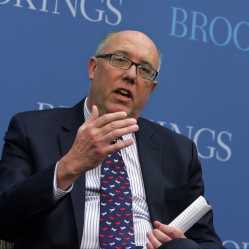
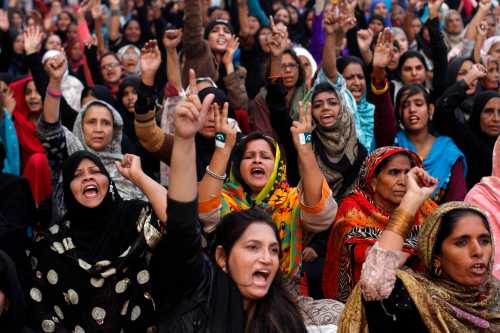
On January 5, the Center for Middle East Policy at Brookings hosted a panel discussion taking a multifaceted look at this nation of 220 million people. The event included a discussion on domestic issues, ranging from the human and women’s rights situation to Islamist politics and ethnic and religious insurgencies within the country. In addition, the conversation focused on the implications of a Biden presidency for Pakistan, as well as the country’s changing role in the greater Middle East and South Asia. The panel featured Declan Walsh, former Pakistan bureau chief for the New York Times and author of the new book, “The Nine Lives of Pakistan: Dispatches from a Precarious State;” Brookings Senior Fellow Bruce Riedel; and David M. Rubenstein Fellow Madiha Afzal.
Viewers submitted questions by emailing events@brookings.edu or on Twitter using the hashtag #USPakistan.
Agenda
Introduction
Discussion
Bruce Riedel
Senior Fellow - Foreign Policy, Center for Middle East Policy, Center for Security, Strategy, and Technology
Director - The Intelligence Project
More Information
To subscribe or manage your subscriptions to our top event topic lists, please visit our event topics page.
More
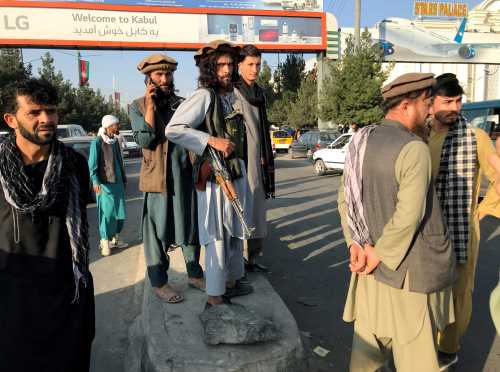
[The emergence of state-backed armed groups and the Taliban's influence] are dangerous developments, and portend a return to the way things were a decade ago in that area. Foot soldiers from the ‘surrendered’ Taliban can easily cross back over to the [Tehreek-e-Taliban Pakistan] TTP – or facilitate them, provide them logistical support and assistance. [On whether the Afghan Taliban would act in any concrete way against the TTP], I don’t see it happening, The Taliban care greatly about maintaining unity in their ranks – action against the TTP would undermine that and threaten to send defectors over to Islamic State-Khorasan (ISIL’s affiliate in the region), something the Taliban really don’t want. That motivation trumps any desire to appease Pakistan.
Once the Pakistani military decided to take action against [extremist group Tehrik-i-Taliban Pakistan, TTP], it was able to, to a great degree, at least drive it out of the tribal areas.
[Over the next few years the number of attacks fell, but the TTP was not gone. Its foot soldiers and commanders had melted away or slipped across the notoriously porous border.] Many of them, turns out, were in prison in Afghanistan.