This paper is part of the Fall 2025 edition of the Brookings Papers on Economic Activity (BPEA), the leading conference series and journal in economics for timely, cutting-edge research about real-world policy issues. The summary below was originally drafted based on the paper’s conference draft presented at the Fall 2025 BPEA Conference on September 25-26, 2025. (Conference drafts, recordings, and presentation slides are available on the conference page.) Find all papers of this edition here.
*Final version posted: June 2026
Climate change is already imposing modest to significant costs on U.S. households, especially affecting poorer families and households in the Gulf Coast, Florida, and some parts of the West, suggests a paper in the Fall 2025 edition of the Brookings Papers on Economic Activity (BPEA).
The paper examines some, but not all, costs of climate change under two different scenarios that vary in terms of what share of weather variability is attributed to climate change. “We find sizable costs to U.S. households from recent climate change patterns, ranging from $400 to $900 each year,” write the authors, Kimberly A. Clausing of the University of California-Los Angeles School of Law, and Christopher R. Knittel and Catherine Wolfram of the MIT Sloan School of Management.
Clausing, in an interview with The Brooking Institution, said the less-conservative scenario may be “closer to the truth.” Under it, the authors write, 10% of counties “have annual household costs exceeding $1,300 … There are large swathes of the country … where damages are concentrated and exceed $1,000 per household per year.”
The paper focused on two types of climate change costs: the effects on household budgets and the effects on mortality from extreme weather and natural disasters. For instance, the authors estimated that the average increase in home insurance premiums due to climate change ranges from $75 to $360, conditional on what fraction of premium increases is assumed to be caused by climate change–driven extreme weather events.
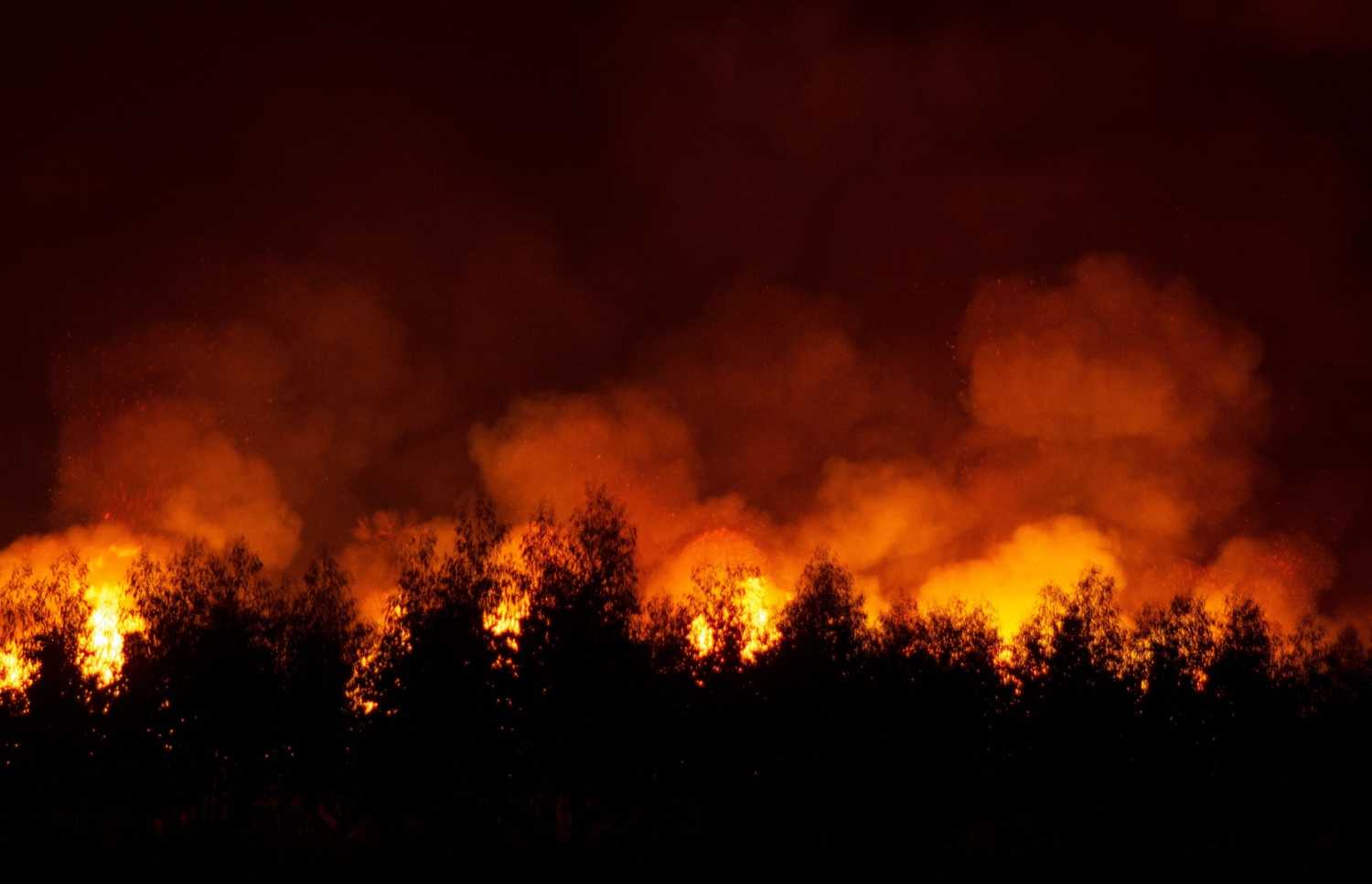
Using standard metrics that value lives lost, the authors also estimated the per-household cost of deaths attributable to heat, wildfire smoke, and natural disasters such as storms and flooding. The per-household cost of deaths attributable to wildfire smoke, for instance, averages between $65 and $100. The net cost of deaths from temperature change, however, is negligible because a reduction in deaths from extreme cold offsets an increase in deaths from extreme heat.
The distribution of many costs from climate change, the paper notes, is regressive. Poorer households, on average, face increased cooling and home insurance costs that are a higher share of their incomes, and they face larger mortality risks from both extreme heat and particulate matter.
The paper contrasts the costs of climate inaction with estimates of the cost of policies aimed at slowing climate change (such as carbon taxes and subsidies to clean-energy firms). It notes that well-designed climate policies are likely to have lower household costs than many households currently face from climate inaction.
“And, of course, U.S. policies will help mitigate the effects of climate change for people around the world, and vice versa,” Wolfram noted.
Further, the authors note that the costs of climate inaction likely will rise steeply if average temperatures in the continental United States (up 2.5 degrees Fahrenheit since 1970) continue rising as forecasted.
“This work suggests caution for the future,” Clausing said. “Many climate models predict that the impact of climate change gets much worse past certain thresholds. Without serious policy changes, after another 30 years, all of these numbers could easily be many times worse.”
Authors
Authors


Discussants


Citations
Clausing, Kimberly A., Christopher R. Knittel, and Catherine Wolfram. 2025. “Who Bears the Burden of Climate Inaction?” Brookings Papers on Economic Activity, Fall: 371–428.
Deryugina, Tatyana. 2025. “Comment on ‘Who Bears the Burden of Climate Inaction?’” Brookings Papers on Economic Activity, Fall: 429–445.
Schlenker, Wolfram. 2025. “Comment on ‘Who Bears the Burden of Climate Inaction?’” Brookings Papers on Economic Activity, Fall: 445–458.
-
Acknowledgements and disclosures
Catherine Wolfram is on the board of directors of Resources for the Future, an environmental think tank. The authors are grateful to Shereein Saraf, Lance Pangilinan, Kelly Wu, and Liyuan Yang for their exceptional research assistance. The authors thank the discussants, Tatyana Deryugina and Wolfram Schlenker, and the editor, Jan Eberly, for insightful comments and helpful suggestions. Marshall Burke, Tamma Carleton, Benjamin Keys, Philip Mulder, and Ishan Nath also provided invaluable help, both sharing data and making valuable comments.
David Skidmore authored the summary language for this paper. Chris Miller assisted with data visualization.
The Brookings Institution is committed to quality, independence, and impact.
We are supported by a diverse array of funders. In line with our values and policies, each Brookings publication represents the sole views of its author(s).