In preparing this research, I utilized Microsoft CoPilot and Claude AI (developed by Anthropic) as productivity, ideation and supporting tools including for brainstorming and structuring research ideas, summarizing background material, drafting and editing text, and assisting with technical tasks. In accordance with the Brookings Institution’s Provisional Principles for the Use of Generative AI, all AI-assisted outputs were reviewed and validated for accuracy, integrity, and alignment with applicable quality and research standards. Full intellectual and ethical responsibility for the findings, conclusions, and integrity of this work remains with the author.
Overview
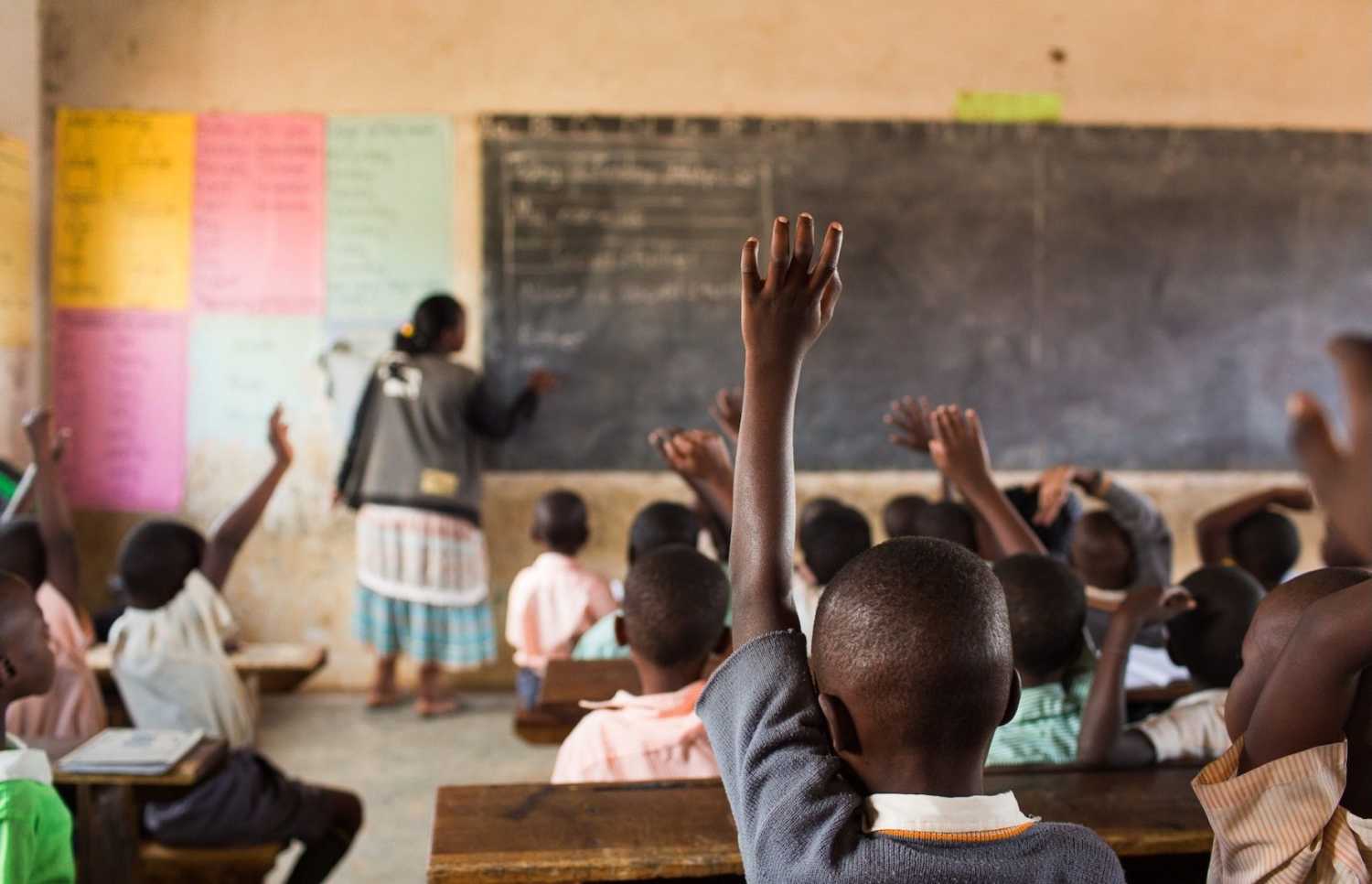
Education is one of the most powerful levers for shaping a climate-resilient future. Across Eastern and Southern Africa (ESA), climate shocks are no longer distant threats; they are daily realities disrupting learning, deepening inequalities, and eroding opportunities for young people. At the same time, education systems hold immense potential to equip adolescents and youths with the knowledge, skills, and agency to adapt, innovate, and lead solutions for their communities and the planet.
This resource is the product of a two-year collaborative research effort led by CARE Zimbabwe and the Center for Universal Education (CUE) at the Brookings Institution, in close partnership with seven organizations working at the intersection of education and climate change. Together, we sought to answer a pressing question: how can schools and communities transform climate education from abstract concepts into practical, empowering experiences for adolescents and youths? Our approach was grounded in evidence and action—embedding research within active programs in Kenya, Malawi, Rwanda, South Africa, and Zimbabwe and listening to the voices of those most affected: young people, educators, and local stakeholders. The results yielded several clear findings.
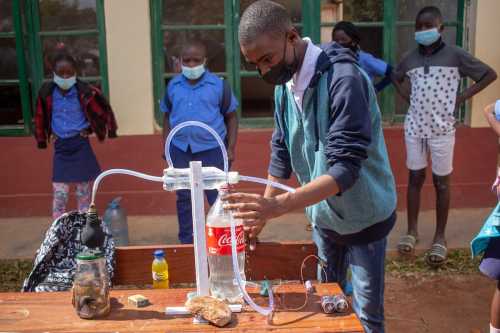
Adolescents and youths across the region are deeply aware of climate change and are eager to act, but they face barriers such as access, resources, and opportunity. Teachers are committed but constrained by limited training and materials. Ministries and partners are advancing climate education policy frameworks, yet implementation gaps persist. This study explored these realities and thus responds with practical, context-relevant strategies—from low-tech activities like climate clubs, drama, and school gardens to medium- and high-tech options such as WhatsApp microlearning and online Eco-Schools courses of the Foundation for Environmental Education (FEE).1 It also provides guidance for teacher professional development, policy engagement, and a 90-day road map to build momentum.
Overall, the toolkit posits that adolescents and youths are ready to learn and act when education is experiential, culturally resonant, and resourced at least at a basic level. It must connect knowledge to action, link classrooms to communities, and empower young people as agents of change. This is not only an educational imperative; it is a moral and developmental one. By equipping adolescents and youths with climate literacy and green skills, we invest in resilience, equity, and hope for generations to come.
Schools are the most trusted anchor for climate change education, but their effectiveness rises sharply with simple technologies, teacher support, and community linkages. A practical pathway to scale—especially in low-connectivity settings—combines clubs, play-based pedagogy, local media, and gardens or nurseries with periodic drills and policy literacy while progressively strengthening teacher capacity, infrastructure, and access to curated, offline-first content.
This resource invites educators, policymakers, development partners, and adolescent and youth leaders to use this toolkit as a springboard for collaboration and scale to collectively transform schools into hubs of climate action and ensure that every learner has the opportunity to thrive in a rapidly changing world.
Author

-
Acknowledgements and disclosures
Acknowledgements
CARE Zimbabwe and the Center for Universal Education at the Brookings Institution wish to express their thanks to the LEGO Foundation for their generous support of this work. Brookings recognizes that the value it provides in its absolutely commitment to quality, independence, and impact. Activities supported by its donors reflect this commitment.
This work would not have been possible without the dedication and expertise of our collaborative research partners (listed in the report) whose commitment to advancing climate education for adolescents and youths enriched every stage of this process. We acknowledge the contributions of everyone who played a role in shaping and advancing this research project, including program teams, data collectors, and expert reviewers.
We are profoundly appreciative of the stakeholders in all five countries for their guidance and collaboration, as well as the study participants—adolescents, youths, teachers, parents, and community members—whose voices and experiences form the foundation of this toolkit. Their insights have shaped practical strategies that connect classrooms to communities and knowledge to action.
-
Footnotes
- Eco-Schools is an international program of the Foundation for Environmental Education (FEE) that aims to “empower students to be the change our sustainable world needs by engaging them in fun, action-orientated, and socially responsible learning.”
The Brookings Institution is committed to quality, independence, and impact.
We are supported by a diverse array of funders. In line with our values and policies, each Brookings publication represents the sole views of its author(s).