Placemaking Postcards is a blog series from Transformative Placemaking at Brookings where policymakers and practitioners guest-author promising placemaking efforts from across the U.S. and abroad that foster connected, vibrant, and inclusive communities. In line with the principle tenets of placemaking, the goal of the series is to recognize the community as the expert, highlight voices from the field, and to create a community of learning and practice around transformative placemaking.
No individual or organization can be credited for the work alone, as this is a collective product driven by the community. The lessons detailed in the piece are derived from various perspectives and shared wisdom.
What do connected, vibrant, and inclusive communities have in common? They are places where residents—regardless of race, income, age, or gender—have access to the foundations of community and individual well-being needed to thrive in place. These include food, shelter, rest, as well as often overlooked assets such as a sense of belonging, safety, stability, and trust that their voices matter in shaping the places they call home.
Yet from the urban renewal era to today, many top-down neighborhood development efforts too often erode access to community and individual well-being, with communities of color and low-income residents historically shouldering the greatest tradeoffs of such efforts in the name of the public good. The unequal burdens and results of neighborhood development have been shown to sow significant intergenerational impacts on health, wealth, and quality of life, as well as heightened distrust in local government.
To provide local leaders, planners, developers, and residents with a tool to center community and individual well-being in neighborhood development—and importantly, help prevent “well-being stripping” before it happens—the Full Frame Initiative (FFI) developed the Wellbeing Insights, Assets, and Tradeoffs Tool (WIATT). First piloted in Kingston, N.Y., and Cleveland, WIATT is meant to offer a new method for local leaders to work alongside constituents to: 1) rigorously assess how proposed infrastructure, built environment, or other major development projects may differentially impact well-being outcomes; and 2) propose revised plans based on community engagement, data analysis, and technology to ensure that underrepresented residents have shared power in shaping planning processes alongside local officials, planners, and developers.
This Placemaking Postcard offers early lessons learned from WIATT’s implementation in Kingston and Cleveland, and seeks to provide practical insights for local leaders, planners, and other place-based actors nationwide who are interested in exploring new approaches to equitable planning, building community trust, and improving residents’ well-being.
A novel approach to community planning, economic development, and infrastructure projects that centers well-being
In 2023, at the invitation of the U.S. Census Bureau, FFI developed WIATT to be a multistage process for centering individual and community-level well-being outcomes within planning and development efforts. The first stage of the process begins with “credible messengers” (trusted members of their communities) working with city representatives to co-design community outreach processes in order to surveys residents in neighborhood spaces. They focused on where under-heard residents (including elders, low-income and underemployed individuals, racially marginalized communities, and others) are most likely to gather, such as library branches, teahouses favored by immigrant communities, and street festivals.
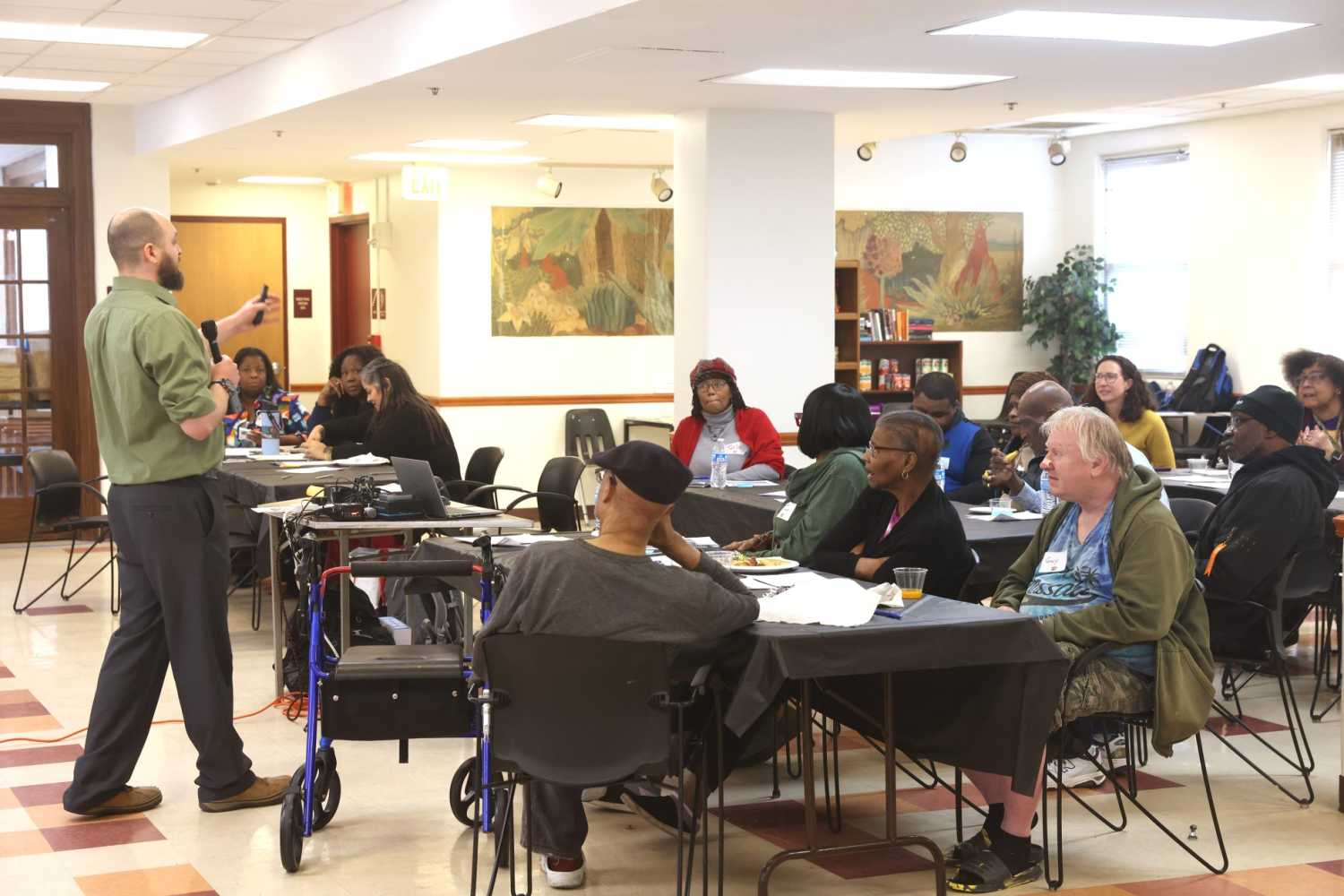
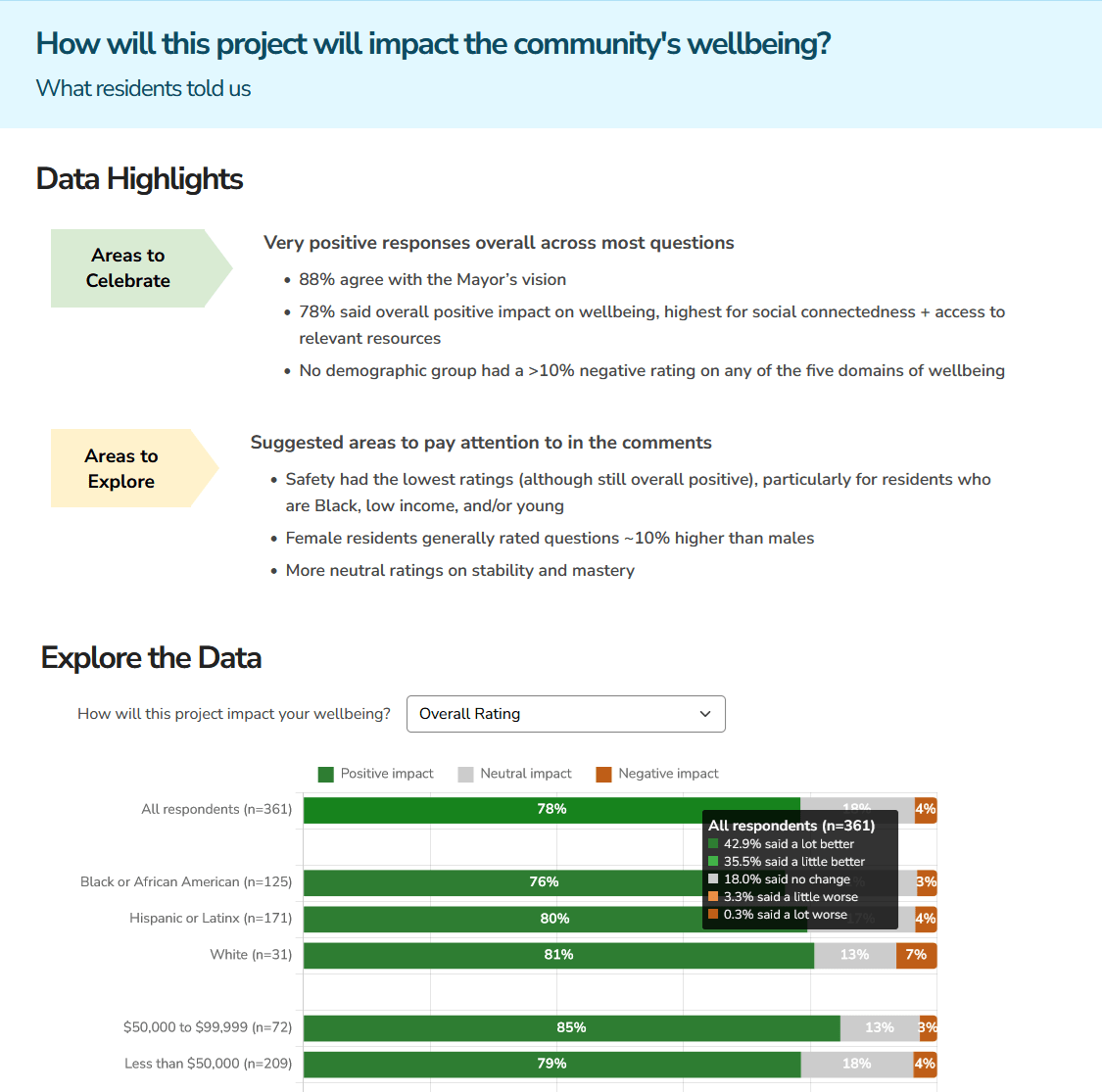
Next, the credible messengers conduct community outreach and deliver surveys to residents in which they are asked to rate how a proposed development project may impact dimensions of their well-being (on a scale from 1 to 5) and to provide more qualitative responses in which they can expand on their answers in their own words. When a representative sample is reached (drawing from demographic data from the Census Bureau’s American Community Survey), the tool generates a visual dashboard, disaggregating responses by domains of well-being (e.g., safety, belonging) and demographic characteristics (Kingston’s results can be found here, for example).
Third, credible messengers and city leaders meet to jointly “make sense” of the data; they then share survey results and refine their understanding of the data through community briefings, roundtables, and targeted follow-ups with key stakeholders. Finally, they incorporate feedback, adapting development and project plans to more equitably distribute well-being tradeoffs and benefits. Data gathered through WIATT are owned by the community and stored in an open platform—a highly unusual feature that facilitates community trust.
Importantly, WIATT implementation requires local leaders’ strong commitment to repairing community-government relations and allocating resources for hiring community members to survey and analyze data. Cleveland and Kingston demonstrated this commitment and were selected for WIATT’s pilot.
Building trust while planning a thriving midtown community in Kingston, New York
Kingston is a midsized municipality nestled in New York’s Hudson River Valley. In 2024, the city and regional nonprofit Hudson Valley Pattern for Progress secured a Brownfield Opportunity Area grant to launch Midtown Thriving: A Community Vision to Revitalize Vacant Properties, to identify cleanup sites and facilitate a community-driven plan for the Midtown neighborhood.
The Midtown District is home to strong, diverse communities. Many residents are immigrants, Black, Latino or Hispanic, or low-income; they have forged social, cultural, and business assets with significant value. At the same time, environmental hazards (e.g., brownfields) and racial discrimination can give the false impression that the neighborhood has few well-being assets worth protecting. Kingston has the fastest-rising housing prices in the nation, low housing vacancy rates, and high poverty rates. Thus, development of Midtown could easily exacerbate displacement and lead to well-being stripping. Given this, WIATT was an important tool in Midtown Thriving’s larger planning process.
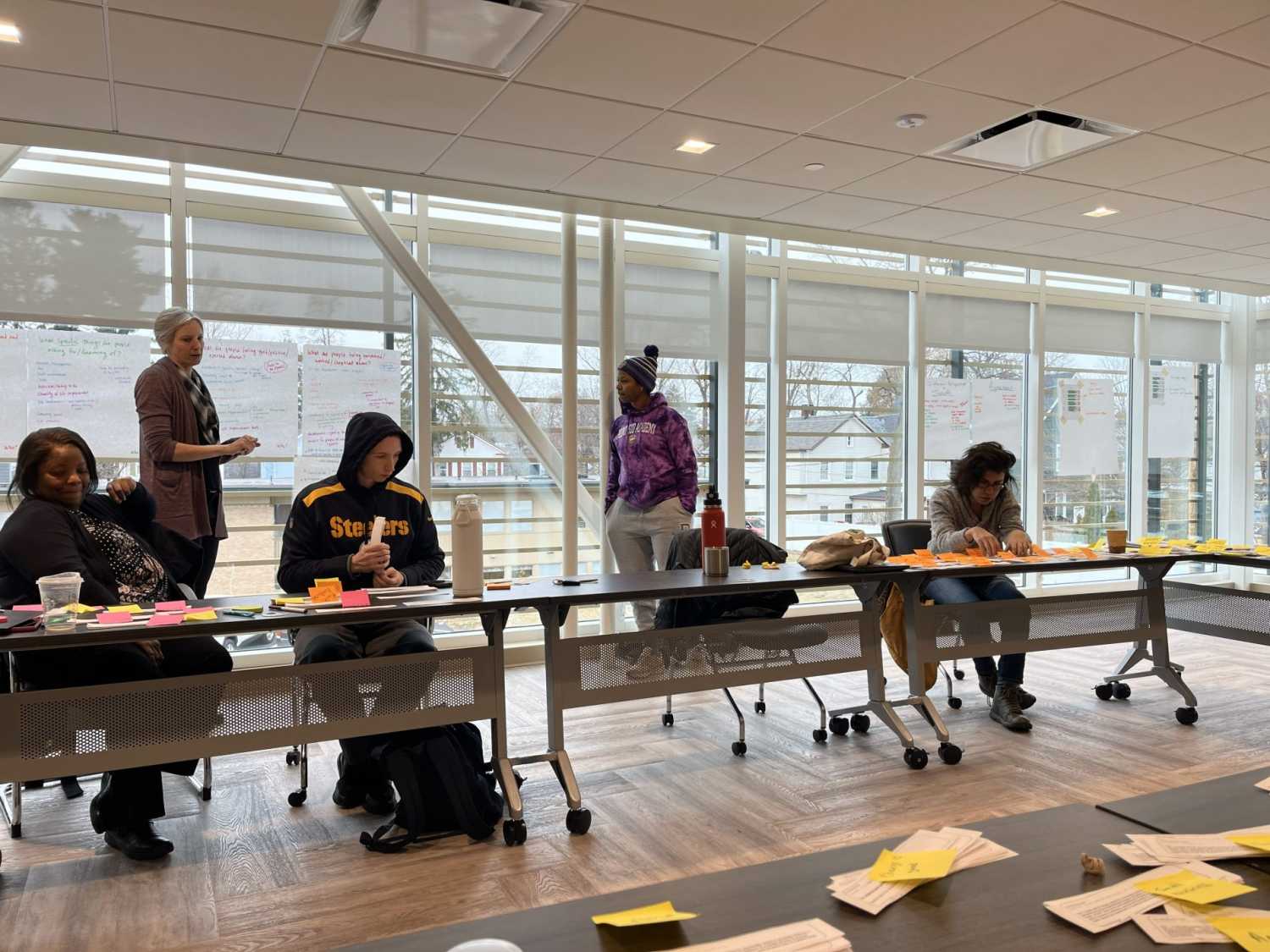
Kingston launched WIATT in summer 2024. FFI, Pattern for Progress, city leaders, credible messengers, and the community group Tilda’s Kitchen began with an exercise called “Broken Promises.” Kingston stakeholders noted that prior planning and community engagement efforts over the years contributed to a sense of skepticism and caution among some residents, resulting in reduced willingness to participate in current planning processes. Concerns included exclusion from previous processes, especially among Black and Spanish-speaking communities, and the potential for data to be used to harm communities instead of helping them. Understanding that healing requires years, not days, the planning team acknowledged past harms and worked with credible messengers to ensure WIATT would be different. While planning processes often launch with questions such as, “What would you like to see here?” or “What do you need?”, WIATT focused on “What’s working for you, and what should we protect?” In Midtown Kingston, this question was critical, given the gentrification and displacement in the neighborhood.
Between September and November 2024, credible messengers and the project team collected 341 surveys. Planning surveys often illuminate the “average” of a community, masking differences that should be considered in planning decisions concerned with equity. WIATT’s disaggregation of quantitative and qualitative well-being data based on demographics illuminated critical nuances. For example, respondents who identified as Black or African American had the highest rate of positive views on new development, but were also the only racial group significantly concerned about feeling welcome and respected. This WIATT insight cracked open further conversations with members of the Black community, leading to specific recommendations such as increased support for Black-owned businesses and replacing statues of slaveholders with figures who reflect Black excellence throughout history.
Data from all community engagement efforts in Kingston are currently being translated into recommendations for the Midtown Thriving neighborhood master plan.
Creating a welcoming lakefront in Cleveland
Due west in Cleveland, in 2022, Mayor Justin Bibb introduced the North Coast Connector project to transform the Lake Erie waterfront into a space for all Clevelanders. Through the 1960s, many of these beaches were off-limits to Black residents, and subsequent integration was violent. The mayor’s vision emphasized healing, equity, opportunity, and resilience—a direct response to Cleveland’s history of infrastructure that separated residents from the waterfront and the legacy of segregation and exclusion from development decisions. City leaders needed resident participation to maximize community benefits and minimize harms, but traditional surveying consistently oversampled white residents with incomes over $100,000 who lived far from the lake.
City Wards 5 and 14 are both proximate to where the Connector will be built, and also home to high concentrations of underrepresented populations: African American residents, Latino or Hispanic residents, seniors, and people with incomes under $50,000. For those reasons, these wards’ participation was vital to creating a lakefront for all Clevelanders. But for many of the wards’ residents, the message remained, “These beaches aren’t for us.” Thus, the city’s efforts to engage these residents in Connector planning was largely unsuccessful.
Recognizing the need to focus on well-being among often under-heard residents, the Mayor’s Office of Capital Projects, the City Planning Commission, the Greater Cleveland Partnership, and trusted community organization Neighborhood Connections partnered with FFI. Together, they implemented an accelerated version of WIATT in 2023, focused on Wards 5 and 14. Neighborhood Connections identified credible messengers, and FFI provided training and ongoing coaching on well-being and WIATT surveying. After five weeks of WIATT data collection, the city and residents had a representative sample.
When credible messengers joined city officials in November 2023 to interpret findings and discuss adaptations to preliminary plans for the North Coast Connector, the well-being lens provided common ground for productive conversations between the city and residents about mitigating the project’s tradeoffs. For example, while most of the acreage is public space, some vertical development will be reserved for commercial and residential opportunities. WIATT’s results led to discussions about the city’s support of local Black, Indigenous, and people of color (BIPOC) entrepreneurship within commercial spaces, rather than maximizing commercial rents on the lakefront (these ideas are still under active consideration).
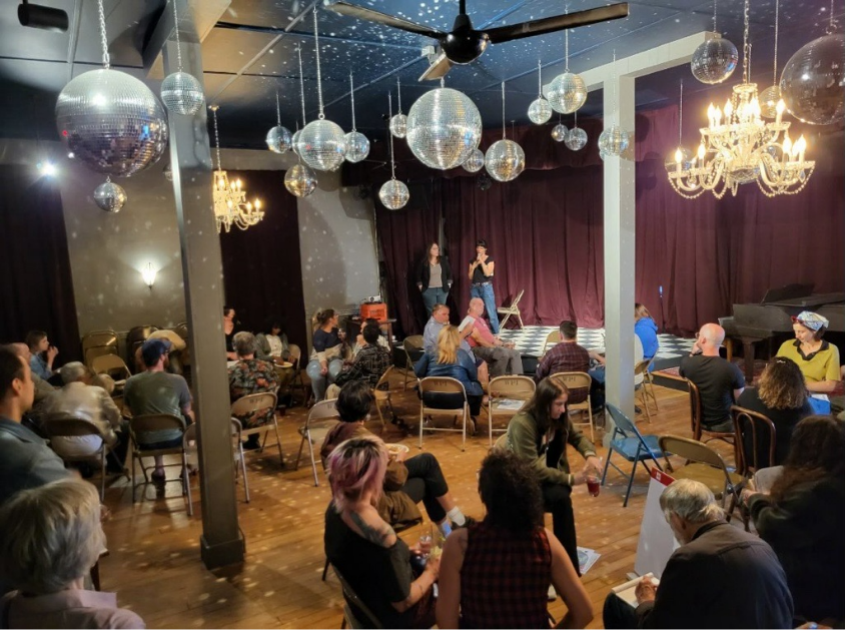
WIATT also uncovered meaningful differences within the community. For example, many older residents were concerned about crime, indicating that safety required the presence of law enforcement. Yet many younger residents advocated for fewer police, given concerns about being unfairly targeted. Rather than solving the problem for residents, planners are actively working on public safety solutions alongside those most impacted. In March 2024, credible messengers and the city jointly hosted community forums in which WIATT results were shared and the community validated and deepened the analysis.
A framework and tool to bridge divides
WIATT implementation in Kingston and Cleveland reveals several important lessons. First, the relationships forged through the WIATT process have spillover effects, including improved trust in government and stronger civic engagement overall.
In Kingston, new relationships between credible messengers and city officials created pathways between some under-heard communities and City Hall. In Cleveland, the Planning Commission is integrating WIATT elements into its standard city processes, leading to more representative engagement in other projects and commitment to working with credible messengers beyond WIATT-specific projects.
Working with WIATT has forced us to stare a wide variety of gaps and barriers in the face. We’ve found so many ways to grow and expand through these new tools and processes that have changed the ways we partner with residents.
Dan Shinkle, city of Cleveland’s principal planner for the North Coast Connector
Second, well-being can be a powerful frame for action across often siloed city departments. Pattern for Progress is incorporating well-being into work beyond Kingston, including Shandaken, N.Y.’s comprehensive plan, to be released in 2026. In Cleveland, the Mayor’s Office of Capital Projects and the Planning Commission are actively introducing well-being, tradeoffs, and the prevention of well-being stripping to other departments across the city, with a goal of grounding municipal decisionmaking in well-being.
In Kingston and Cleveland, well-being is serving as an apolitical, common language that brings residents and city officials together, bridging historical divisions. As distrust of government grows across the country, many communities feel increasingly unheard. Starting with well-being is a new way forward, moving us toward bold, inclusive visions while enabling meaningful steps to heal the historical harms of inequitable planning.
Authors


The Brookings Institution is committed to quality, independence, and impact.
We are supported by a diverse array of funders. In line with our values and policies, each Brookings publication represents the sole views of its author(s).

Commentary
How a focus on well-being advanced more impactful and inclusive neighborhood development outcomes in Kingston, New York and Cleveland
February 24, 2026