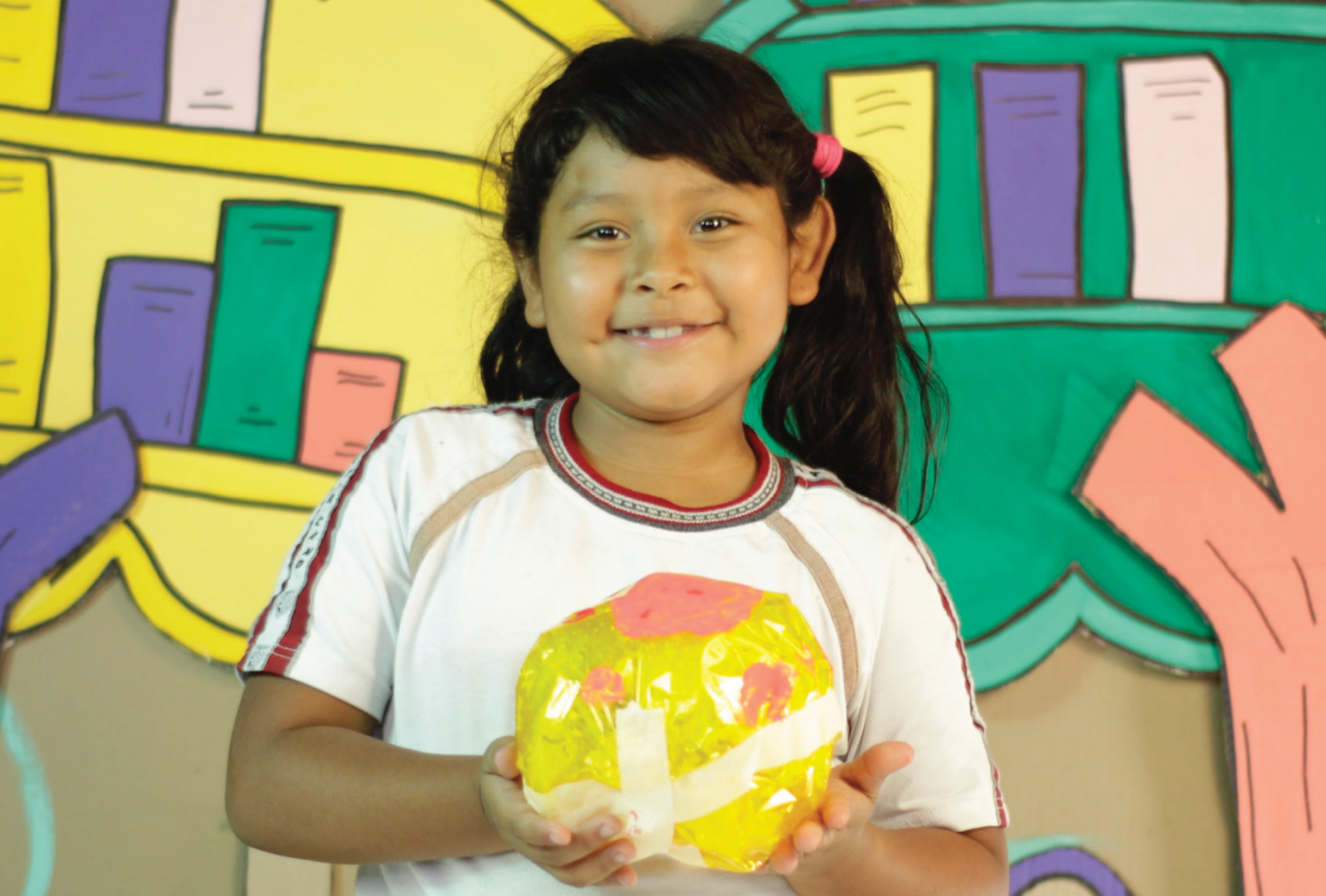
In this third case study in the “Unveiling worlds: Centering child voices in humanitarian contexts case study series,” play and storytelling gave Venezuelan migrant children a meaningful voice—surfacing their lived experiences to inform humanitarian practice and policy. Qualitative research uncovered shared threads across children and caregivers: the reasons they left Venezuela, the hardships of the journey, and the realities of building a new life in Colombia. Participation itself was generative: through play and storytelling, children developed resilience and strengthened their psychosocial well-being. Funding constraints during implementation and research limited how widely children’s stories could be disseminated—narrowing the initiative’s reach within the broader humanitarian architecture and the Colombian government. Nevertheless, La Otra Juventud (now La Parlante) and the International Rescue Committee continue bringing the lessons of this approach to key humanitarian, government, and donor stakeholders in Colombia. Crucially, the methodology is low-cost and replicable across migration and humanitarian contexts.
Authors

-
Acknowledgements and disclosures
The Brookings Institution is a nonprofit organization devoted to independent research and policy solutions. Its mission is to conduct high-quality, independent research and based on that research, to provide innovative, practical recommendations for policymakers and the public.
The conclusions and recommendations of any Brookings publication are solely those of its author(s), and do not reflect the views or policies of the Institution, its management, its other scholars, or the funders acknowledged below.
Brookings gratefully acknowledges the support of the LEGO Foundation.
Brookings recognizes that the value it provides is in its absolute commitment to quality, independence, and impact. Activities supported by its donors reflect this commitment.
The Brookings Institution is committed to quality, independence, and impact.
We are supported by a diverse array of funders. In line with our values and policies, each Brookings publication represents the sole views of its author(s).