Introduction
Since 2023, crime trends across the U.S. have told a largely promising story. Communities in every corner of the country experienced sharp declines in violent and property crime, and murder rates have reached their lowest levels in over a century.
It will take time to fully understand the causes1 driving this progress, but many local, regional, and academic leaders point to the importance of recent historic investments in community violence prevention and intervention, as well as the return of civic institutions (such as schools, workplaces, and public spaces), which enabled neighbors, families, and friends to gather again after a sustained period of isolation and disruption during the COVID-19 pandemic. Existing evidence backs this up: Community-level, place-based interventions such as rehabilitating vacant lots and increasing the number of community organizations have been shown to significantly improve safety, health, and well-being within neighborhoods.
Yet even with this progress, public safety challenges—both real and perceived—remain salient barriers for communities large, small, “red,” or “blue,” producing outsized harm for youth and low-income residents. Gun violence continues to be the leading cause of death for young people across the U.S., while community gun violence disproportionately affects “hyperlocal” streets, corridors, and neighborhood blocks where indicators of poverty, disinvestment, and limited upward mobility cluster.
Even in cities making significant progress in advancing safety, concerns about crime fueled by emptier streets, vacancies, deferred public maintenance (in lighting and trash), and visible homelessness continue to affect how residents, visitors, and small businesses interact, influencing overall community well-being. Most recently, such perceptions have been used as fodder for “tough-on-crime” crackdowns in visible locations that are heavily frequented but relatively low in crime, with lackluster results that risk undermining community trust.
Localities are thus at a critical crossroads in public safety policymaking. Just as they have unlocked unprecedented results through ecosystem-based approaches focused on prevention, intervention, and response, the federal government has slashed over $1 billion in funding for proven local safety solutions, while also curbing resources for other place-based investments that address the root causes of crime, such as lack of housing and economic opportunity.
Rather than allowing fear to drive decisionmaking, local leaders can—and should—respond to public safety challenges with evidence-based policies that match the where, why, and how crime occurs within cities and regions. In doing so, they can mobilize support for effective policies that not only reduce crime, but which foster more economically accessible, resilient, and prosperous cities and regions by investing in both people and place. Just as intentional policy and practice decisions contribute to place-based safety and well-being disparities, they can also be used to eliminate them.
To this end, this research presents in-depth qualitative findings and recommendations from three cities—Chicago; Oakland, Calif.; and Washington, D.C.—where local leaders are scaling community-centered safety solutions amid an increasingly uncertain policymaking and funding environment.2 Importantly, each of these cities has centered place as a powerful lens to improve public safety, while also incorporating an ecosystem of cross-sectoral partners—including economic, community, and workforce development practitioners—to not only improve realities and perceptions of public safety, but to rebuild trust, strengthen social ties, and increase access to economic opportunity in the most impacted areas.
Places are like a puzzle—figuring out all the pieces, how they fit together, and how to get the right people at the table to make the puzzle whole. That’s what we’re trying to do: connect communities, take care of each other, and keep each other safe, with our own flavor.
An Anacostia, Washington, D.C., stakeholder
While the public safety challenges facing our nation can often seem difficult to solve in this moment of deep uncertainty, evidence-based solutions do exist (particularly at the local level), and the recent progress in violence reduction over the past three years is a testament to that. Even in an increasingly polarized nation, most Americans regardless of political party agree on the importance of three fundamental things: safety, jobs, and health. This makes evidence-based safety policies a win-win solution for cities, regions, and our nation as a whole.
“[Public safety] doesn’t impact just Black and brown families. It impacts the entirety of the economy, of the populace. When you take a huge section of the population away [because they are afraid], you take away their taxes, you take away the work that people have been doing, and the connections they have.”
A Back of the Yards, Chicago stakeholder
Methods: How we approached this research
In 2025, the Brookings Institution and Local Initiatives Support Corporation (LISC) partnered to conduct in-depth qualitative research in three communities working at the intersection of public safety, economic development, and community well-being: Anacostia in Washington, D.C.; Back of the Yards in Chicago; and the 7th Street Corridor in West Oakland, Calif. (For more information on why these three localities were chosen, see “A place-based focus” textbox.)
The roots of this project stem several years back, beginning in 2019, when Brookings and LISC partnered with neighborhood-based leaders in Los Angeles, Philadelphia, and Indianapolis to co-create a “community-centered economic inclusion” (CCEI) model as a collaborative approach to holistic and fair neighborhood development. Since then, 20 neighborhoods in 11 states have adopted the model, and as it has expanded, so too have our learnings.
Our goal for this report is to dive deeper into a consistent theme we’ve heard throughout hundreds of qualitative interviews conducted with CCEI localities, where public safety is vital to neighborhood well-being. We heard that while safety is an essential component of community and economic development, our systems are often too siloed, fragmented, or top-down to achieve the cross-disciplinary approaches needed to save lives and strengthen communities. Even the language used to describe safety in development processes can undervalue community-centered solutions.
Building on this previous research, this report relies on community voice and experience to provide actionable, on-the-ground strategies and evidence to advance public safety at the scale in which it sticks: neighborhoods. Recognizing that neighborhood-level solutions are successful primarily because they are community-driven and community-led, the report shares lessons from three very different neighborhoods, which can be tailored, adapted, and innovated upon in localities across the nation, with a focus on the following research questions:
- How are local, regional, and state leaders partnering to maintain and scale promising investments in safety that address the underlying drivers of community violence, rather than its symptoms, even absent federal investment?
- What role is place—including hyperlocal crime trends and qualitative insights from residents—playing in shaping these common frameworks for action and implementation?
- How is a broader coalition of place-based actors across sectors—particularly from the community and economic development fields—integrated into these efforts so the criminal justice system is not tasked with solving larger challenges of disinvestment and economic opportunity?
- What strategies are working to sustain community leadership, grassroots capacity, and the expertise of people with lived experience as a foundational building block of public safety?
- How are local and state leaders institutionalizing community safety governance as a core component of public sector infrastructure?
There was not a single conversation in the engagement process where public safety did not come up. This was an economic inclusion effort, so we were trying to keep it bounded, but the theme of public safety was just so consistent. It was consistent as an economic concern for residents, for small businesses, and across everyone we worked with. So, it’s simple, we had to address it.
A Back of the Yards, Chicago stakeholder
Same roots, different leaves: How public safety and neighborhood development intersect
Many American families do not need to worry about their loved ones being harmed or injured on their way to school, work, or a neighbor’s house. But in a significant number of communities, this is a daily reality. As previous Brookings research has pointed out, to understand the causes of—and solutions to—crime and violence in the United States, one must focus on the long-standing relationship between public safety and place.
Our research, and others, have shown that violence, just like access to economic opportunity, is spatially concentrated in America. Violence disproportionately occurs within a select set of high-poverty, underinvested neighborhoods—and looking more closely, a select set of streets within these neighborhoods. These are also places with the highest population shares of people of color, and where indicators of social disadvantages (including poverty, lower educational attainment, and high unemployment) cluster. Just as with physical health—where up to 80% of our outcomes are shaped by socioeconomic and environmental determinants outside the healthcare system itself—our ability to live free from violence is deeply connected to the neighborhoods where we live, work, and play, with a broad ecosystem of place-based investments shaping access to safety.
The place-based conditions impacting rates of violent crime stem directly from “policy violence.” This was also the daily experience of residents and small business owners in the three communities we studied, where gun violence remains the leading cause of death for young people, while disparities in crime rates continue to harm economic activity relative to their citywide peers.
In our community, the number-one job is to survive. The number-two is to improve quality of life for our families, kids, and the next generation. Neighborhoods impact every facet of our life: jobs, safety, you name it. If you want people to live and stay here, you need to give them a reason to.
A Back of the Yards, Chicago stakeholder
Research points to a cyclical relationship—or “doom loop” effect—between economic investment and public safety. Gun violence provides a stark example: The places with the highest murder rates are the same places that experienced redlining over a century ago. These communities share histories of job loss, population decline, and discrimination, which shaped their contemporary built environments and economic ecosystems. Today, many of these places share common challenges such as concentrated poverty, vacancies and empty lots, predatory institutions, housing disparities, and economic exclusion—all factors heavily associated with gun violence.
We’ve had various eminent domain removals that ‘disappeared’ entire schools, children, people, and communities. Our economic engine was gutted. Now, we have a corridor with two liquor stores, one struggling market, homelessness, and severe infrastructural neglect…Stripping people of their land makes it so that people don’t have something that grounds them in community. They don’t get the experience of nurturing place.
A 7th Street Corridor, West Oakland stakeholder
Once places are caught in this loop, it becomes more difficult to get out of it. The cyclical relationship between underinvestment and violence continues, with research indicating that the presence of gun violence significantly reduces neighborhood home values and homeownership rates, decreases foot traffic and local economic activity, disrupts social cohesion and trust, and negatively affects children’s outcomes over their entire lives. Once places become associated with high rates of violence, it becomes far more difficult for those owning a home or operating a business there to build wealth in the same way they may have been able to in other neighborhoods—causing some to leave and furthering the cycle of population loss.
No one feels safe walking down a dark, perceivably deserted corridor where you’re passing trash on the streets, broken lights, and dark corners. There is no space for people to be in the neighborhood…People that don’t live in the neighborhood aren’t coming here to shop, and even people that do live in the neighborhood are going outside of the neighborhood to shop.
A 7th Street Corridor, West Oakland stakeholder
Despite the vast amount of research on the role of neighborhood conditions fueling crime and the promise of place-based interventions in curbing it, the bulk of our public policies individualize crime as a “personal failure” to be addressed through the legal system, rather than as a structural challenge to be addressed through prevention and investment at the community level. For generations, the criminal justice status quo has been to police markers of place-based poverty, which has proven harmful for people, places, and state budgets—reducing long-term educational and career achievement, worsening mental health outcomes, increasing recidivism, and contributing to home value reductions and citywide population declines.
When we think of public safety solely as “fighting crime,” we can miss what it takes for places to actually be safe: a healthy built environment, stable housing, places to gather, upward mobility, and importantly, residents’ ability to stay and build wealth in their own communities. The safest communities are often the ones with the resources, opportunities, and neighborhood-led action that are proven to produce results.
By the time violence happens, you’re just putting a Band-Aid on it. Healthcare is a good reference point. One of the key performance indicators is that you need to go to the doctor for regular prevention check-ups. It’s the same thing with community safety.
A Back of the Yards, Chicago stakeholder
A place-based focus: Why we studied Chicago, Oakland, and Washington, DC
When embarking on this research, we aimed to focus on three geographically diverse cities that have achieved significant progress in improving public safety (and perceptions of it) through intentional, collaborative investments in the people and places most at risk. Chicago, Oakland, and Washington, D.C., each embedded pillars of safety in broader community-centered economic inclusion efforts, tailoring them to distinct local challenges, assets, and opportunities while partnering with broader city and regional efforts to enhance impact.
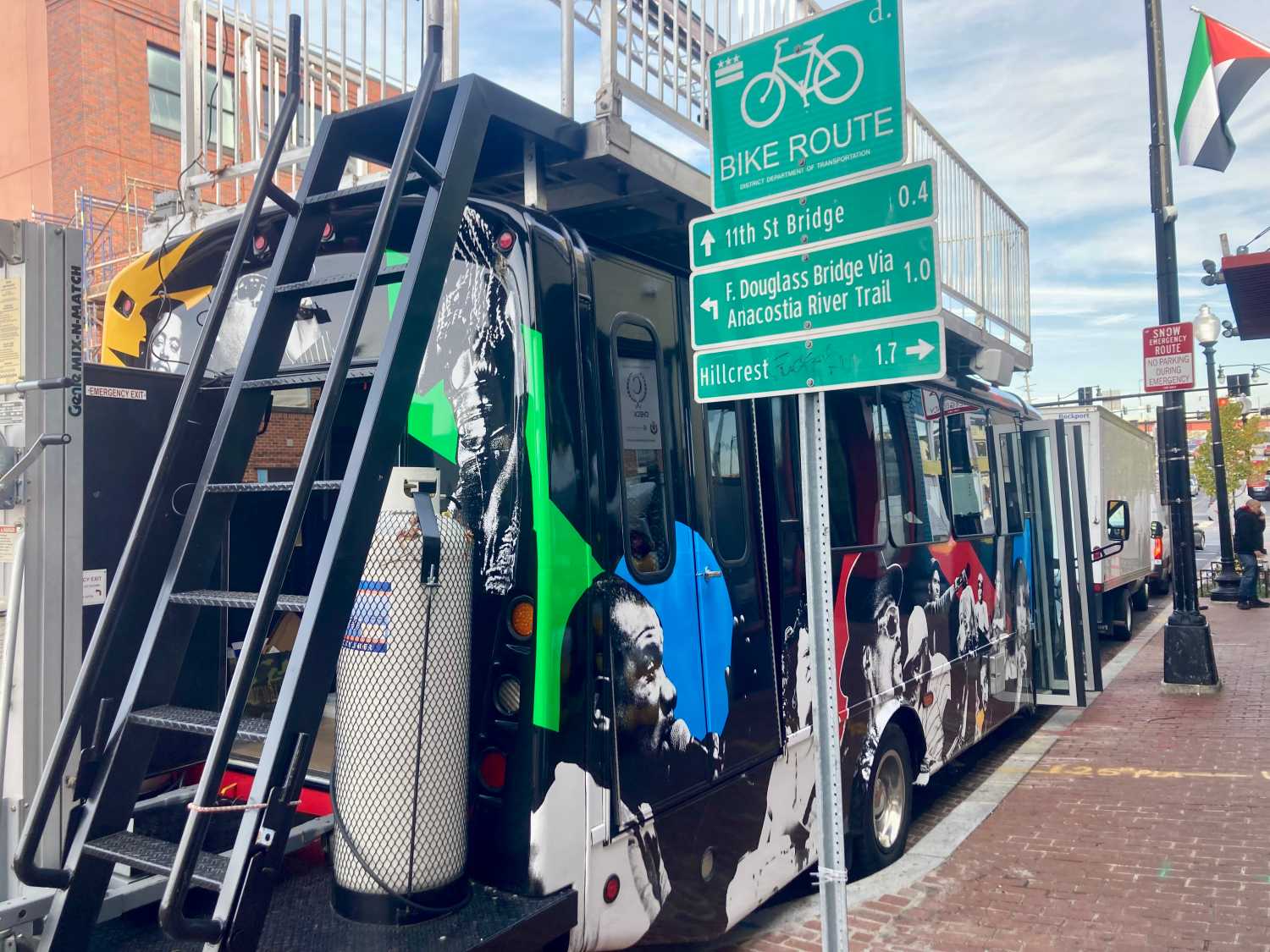
Washington, D.C.: In the majority-Black neighborhood of Anacostia, residents have long been exposed to stark public health and safety disparities, alongside deteriorating housing stock, public and private disinvestment, and displacement. Through a two-year iterative process to co-create a community-led Equitable Development Plan, local leaders developed an ecosystem approach to invest in public space, built environment improvements, and placemaking that compliment and fill in gaps in larger citywide violence prevention efforts, with a particular focus on neighborhood corridor vitality east of the Anacostia River. In particular, the Anacostia Business Improvement District is investing heavily in arts, culture, placemaking, and local economic development opportunities for small businesses and entrepreneurs to improve both perceptions and realities of safety in the historic Anacostia corridor, while also working to build trust and engagement among residents.
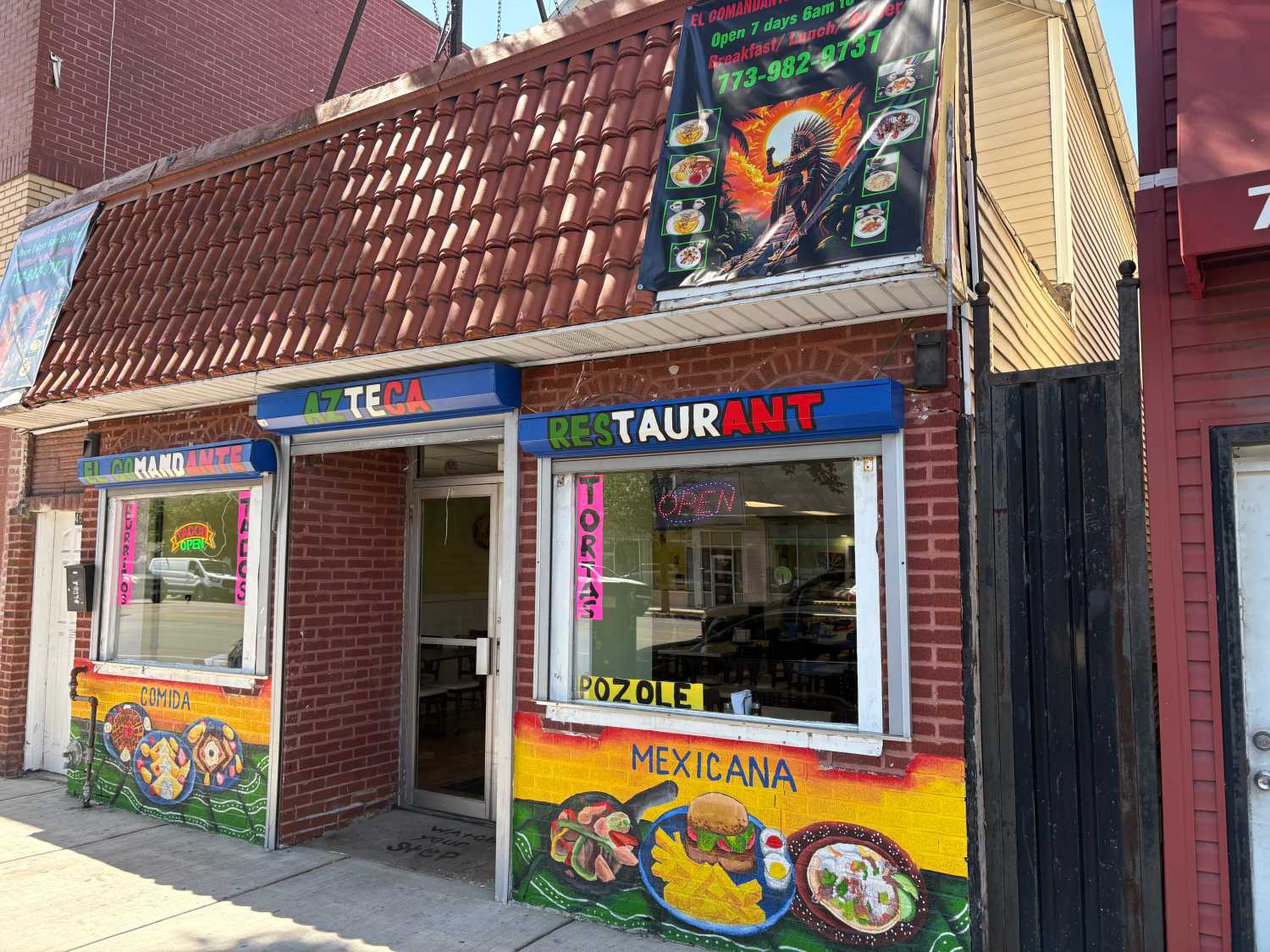
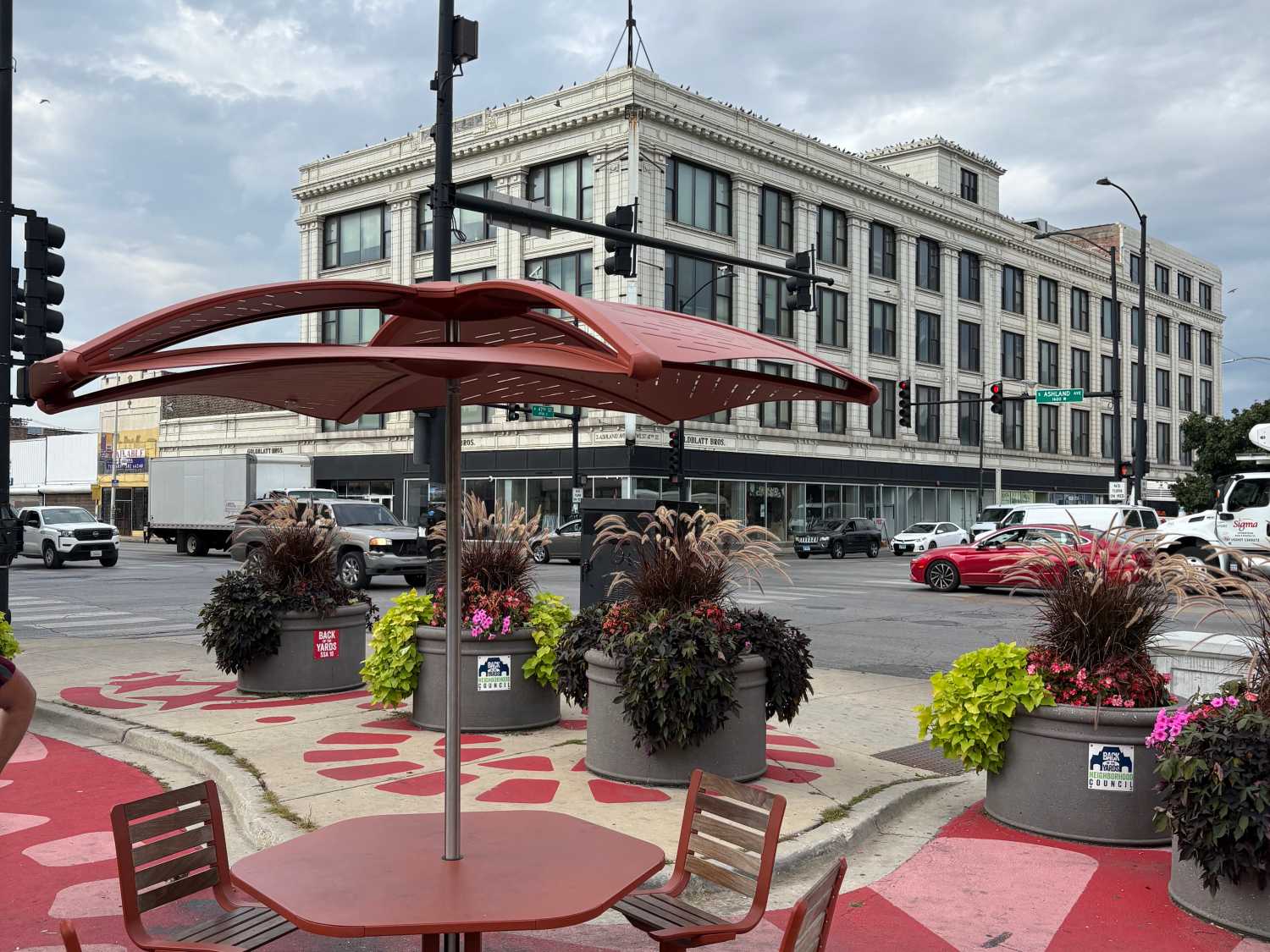
Chicago: In the predominantly immigrant and working-class neighborhood of Back of the Yards, perceptions and realities of gang violence, property crime, and other forms of harm—including growing fears of racial profiling in immigration enforcement—act as significant barriers to economic well-being. As part of their economic inclusion efforts, local stakeholders such as the Back of the Yards Neighborhood Council addressed economic development and public safety in tandem, prioritizing investments in youth recreation, third spaces, and infrastructure to improve safety outcomes, while collaborating with city and regional stakeholders to bolster broader citywide efforts focused on community violence intervention, prevention, and response.
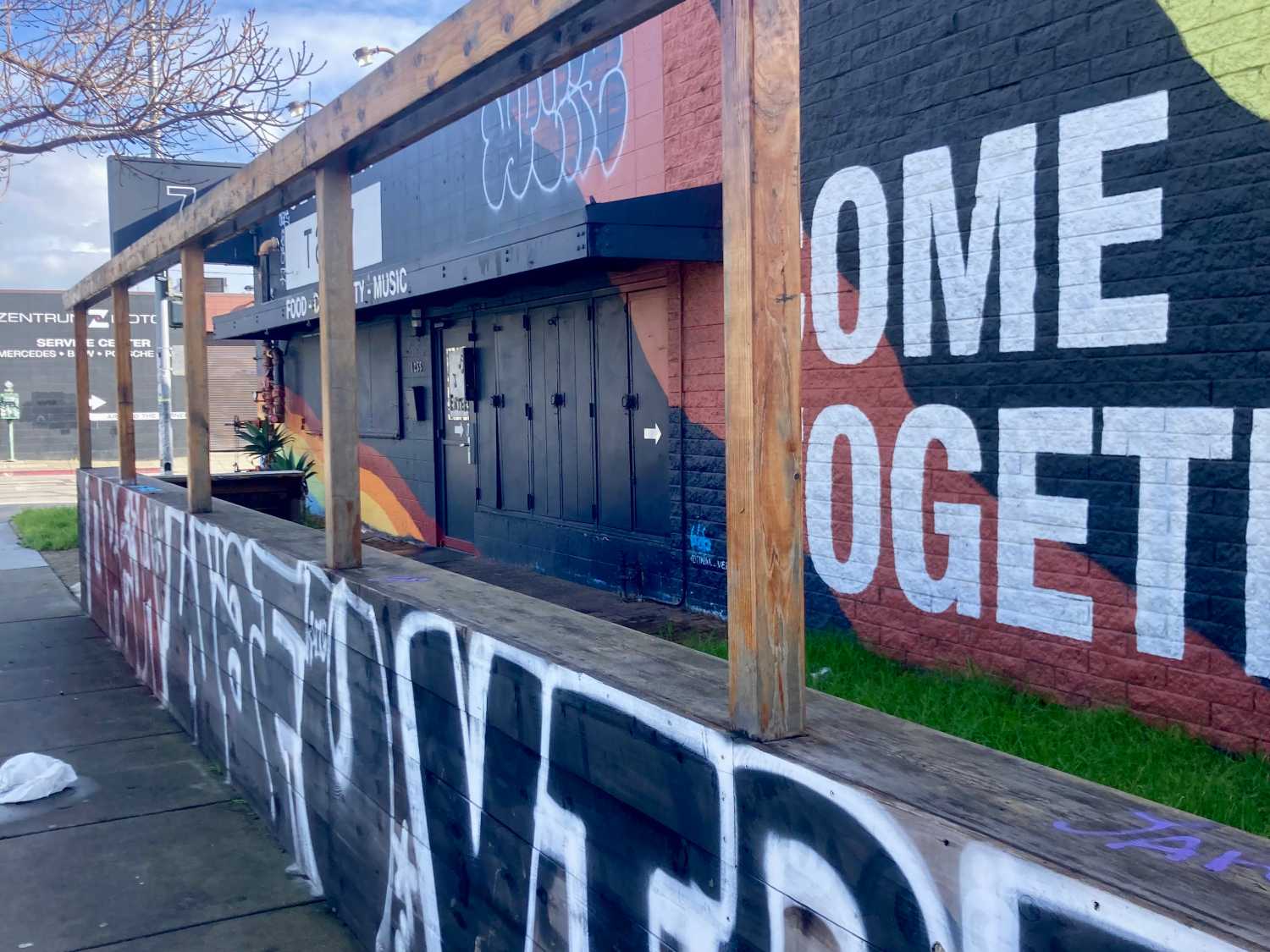
Oakland: In the historic Black business corridor of West Oakland’s 7th Street, once known as the “Harlem of the West,” concerns of gun violence were less acute for some residents and community leaders. However, significant challenges in deferred public maintenance, public and private disinvestment, and increased visible homelessness created negative perceptions of the neighborhood among nonresidents, limiting foot traffic and economic vitality for small businesses and the neighborhood writ-large. In their community-centered 7th Street Thrives action agenda, local leaders, including the East Bay Permanent Real Estate Collaborative, developed a strategy to get back to the fundamentals of corridor well-being, ensuring city governance maintains good lighting, picks up trash, and addresses small business concerns, while simultaneously building a community ownership of real estate strategy to enhance longer-term outcomes that improve perceptions and realities of safety. This demonstrates how community safety is not only about reducing the realities of violent crime, but also about creating the neighborhood conditions that make residents, business owners, and visitors alike feel safe in visiting and contributing to the economic health of their corridors.
Not a one-time pill: Understanding shared challenges to reach shared solutions
Recognizing that neighborhood assets such as housing, jobs, and busy streets are integral to public safety, there is a strong opportunity to advance preventative rather than reactive approaches to reduce crime and support strong, healthy neighborhoods at the same time. This goes hand in hand with longer-term strategies to target the injustices that create neighborhood-level disparities, combined with more immediate, life-saving interventions to stop violence right now.
Yet for any significant policy challenge (particularly one that spans sectors and disciplines), there are several pathways to act, which can lead to conflict and implementation barriers. Our research participants identified five key challenges, presented below, that they had to bridge with partners in this effort. Ultimately, they stressed that violence prevention takes time and is not a one-time pill that communities can swallow.
In this section, we provide a brief overview of these barriers before pivoting to recommendations on how local leaders have been working to address them.
Different definitions of a ‘safe’ community may hamper the development of a shared vision
Our research found that despite the three communities’ geographic and cultural differences, a common theme bound them together: Violence—and perceptions of violence—were unfortunate and ever-present aspects of daily life and impacted almost every facet of residents’ time in neighborhood spaces, homes, schools, and workplaces. Most interview participants had witnessed, experienced, or known someone impacted by gun violence, and many had similar exposure to police brutality and incarceration. While not always recognized as directly impacted, small business owners were a key part of this equation, discussing how perceptions of violence and fear of homelessness affected their livelihood and vitality.
Overwhelmingly, interview participants spoke to how their lived experiences had led them to develop a more holistic understandings of “public safety” that transcends beyond simply the absence of crime. This differed from other studies that have primarily found that perceptions of safety and public disorder—not necessarily the lived experience of crime or violence—can drive understandings of public safety, often leading to the condemnation of quality-of-life “offenses” that, on their own, are not illegal, such as homelessness or public gatherings among youth.
When asked what “safety” meant to them, community stakeholders emphasized the importance of positive neighborhood attributes such as a strong sense of community, trusted relationships, job opportunities, places for youth and families to gather, and opportunities for upward mobility in contributing to safety—rather than enforcement-based interventions that may hamper trust further and cause residents to retreat from public places. This is consistent with previous LISC research in which residents stressed the importance of collective action, cooperative decisionmaking, and resources in building safe communities. While each city focused on different aspects of community-centered investments (from street art and lighting to trash pickups to investing in youth recreation), stakeholders remarked on how many of these investments may not be traditionally thought of as “public safety,” but ushered in greater impacts than other, more punitive approaches.
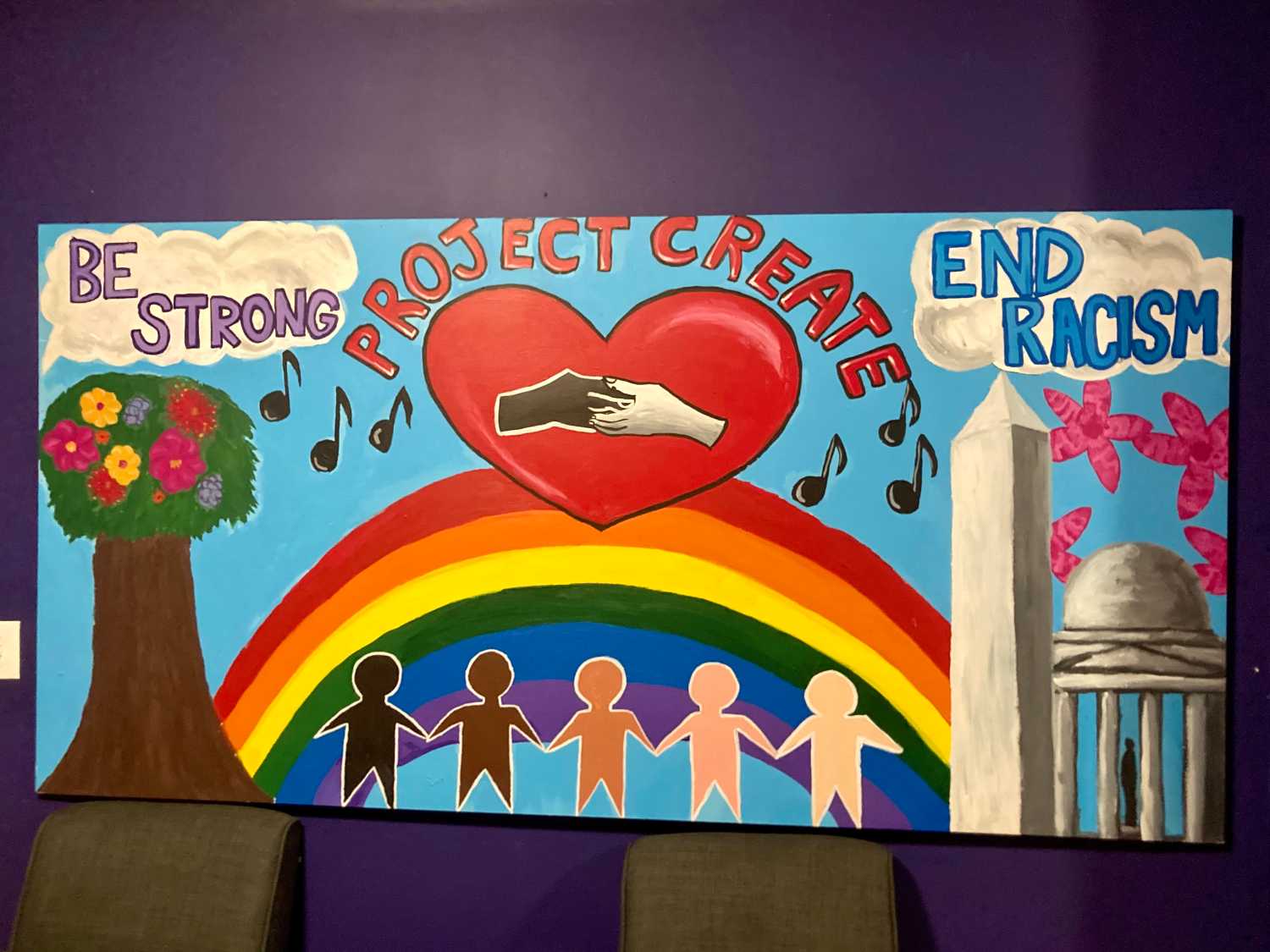
Arts and culture are a catalyst for safety in our community—murals, walking traffic, and the amenities we’ve been working to restore. But if it’s not safe, nobody’s going to come. We have to leverage the energy of the district to be safe…It’s easier to change a physical space than repair intergenerational harm and neglect, but we have to do both.
An Anacostia, Washington, D.C., stakeholder
While many community stakeholders were aligned in this more comprehensive definition of “safety,” they spoke to the challenges of obtaining buy-in at the city level for this more comprehensive understanding—challenges that they felt have led to the prioritization of enforcement-based punitive approaches over more holistic ones. This was particularly true when it came to the conflation of crime and homelessness: Respondents described a general lack of understanding of the root causes of homelessness and the solutions that work to create a safe corridor without excluding unhoused residents. Many of the attributes of a community that make people feel unsafe are the products of activities (or activities themselves) that are perfectly legal; for instance, the presence of unhoused individuals gathering in public spaces charging cellphones, or using other public amenities.
There’s rhetoric around West Oakland being unsafe, and I think people particularly point at unhoused communities as being a part of that safety issue. But you could live here for 20 years and never have an issue. A bigger issue is that trash pickup still doesn't happen on the corridor as it should, and that creates an overall unsafe atmosphere on the corridor, and definitely doesn’t invite people in, especially people who aren’t from the neighborhood.
A 7th Street Corridor, West Oakland stakeholder
Ultimately, stakeholders felt that safety largely continued to be viewed through a more individualistic and punitive lens at the city level, while comprehensive approaches could often be written off as too “slow” or “unrealistic,” despite the strong evidence supporting them.
Some likened these broader definitional tensions to the evolution underway in the economic development field, where it has taken years to change the meaning of “economic development” to include investments in childcare, quality of life, and placemaking, rather than top-down investments in tax credits or attracting employers. The same can be said for the healthcare field, which has made strides in elevating the importance of prevention and investing in social determinants of health. This, alongside recent promising examples in localities such as Baltimore—which is taking a comprehensive public health approach to violence reduction—gave them hope that the field of criminal justice could also see similar transformations.
Each community was working on their own efforts and visions of “safety,” but interview participants spoke to the importance of local government being able to articulate a coherent, community-centered vision for neighborhood safety that brings together the cross-disciplinary set of stakeholders needed to achieve it. They feared that the absence of a shared framework may lead to siloed and isolated strategies that ultimately fail to achieve the community’s safety goals—or worse, lead to the co-optation of grassroots efforts into more enforcement-based approaches, as was seen during the pandemic with the distribution of American Rescue Plan Act funds for law enforcement equipment and capital expenses rather than community-centered solutions. Interview participants found progress in breaking down some of these silos using the community-centered economic inclusion framework to form lasting partnerships across not only community-based nonprofits, but with key stakeholders and funders at the city, regional, and even state level who could support and garner additional resources for their local, on-the-ground work.
You have to get involved in every aspect of the community. Youth support, housing, small businesses, and the overall community mindset go hand-in-hand with safety. It takes boots on the ground to make it happen.
A Back of the Yards, Chicago stakeholder
Limited attention to place and place-based policy can hold back progress
While community stakeholders were acutely aware of how violence concentrates in place, many had never actually seen or heard of city leaders offering evidence-based discussions of citywide crime trends broken down by neighborhood—let alone how place-based patterns of economic investment may shape these crime trends.
Many stakeholders described city-level policy as relatively undervaluing the role of “place” in decisionmaking both in the realms of public safety and community economic development, which they feared was leading to boilerplate and “one-size-fits-all” solutions that may dilute resources, leave “left-behind” neighborhoods even further left behind, and contribute to significant distrust with residents. They pointed out how insufficient neighborhood services are also a primary contributor to violence and perceptions of safety. In Oakland, stakeholders were directly confronting this challenge of relative municipal neglect by creating new pathways for communication with city agencies, including economic development and public works, to hold them accountable for improving lighting, trash pickup, and other fundamental actions needed for corridor vitality.
The city hasn’t initiated conversations with small businesses in the corridor about safety, lighting, and trash. They expect it to be the other way around…But they haven’t taken that first step with public works of knowing how many trash cans are in the corridor to make sure they dump them every day or knowing what lights are on the streets—which ones have copper wires being ripped out, which aren’t functioning. At the baseline level, they should have a map of the corridor, understand its infrastructure, its challenges, and really support, resource, and activate the people who are invested in change at the neighborhood level.
A 7th Street Corridor, West Oakland stakeholder
In this vein, interview respondents also spoke to the inadequacy of policing efforts in their neighborhoods, often due to slow response times, the lack of trust residents felt in reporting crimes to the police, and challenges in trying to engage with the police patrolling their neighborhood.
One of our small businesses was robbed twice by gunpoint. One time, the police were sitting right outside of the restaurant, in the middle of the day, and they were still robbed…We would go to meetings with the police department downtown, but there was no time for questions, ideation for solutions, or brainstorming together.
An Anacostia, Washington, D.C., stakeholder
Place-level data is essential for helping local policymakers effectively address the scope of violence in their city, understand who is most affected, and identify which interventions are making an impact. But it also takes intentionality, governance, and transparency to achieve these results. Many felt that even if city leaders did have place-level data that could help their efforts, there were no governance systems in place to share these results with residents and practitioners to translate them into action at the community level. They suggested that for data to be effective, there needs to be deep and inclusive engagement around it. In Washington, D.C., stakeholders were addressing this through the Anacostia Business Improvement District hosting collaborative safety meetings around key “hot spots” in the corridor, while doubling down on placemaking, public art investments, and “eyes on the street” to improve outcomes in those hotspots.
Humans need to physically be in the place, have knowledge of the place, and evaluate real outcomes in place. Reports and paperwork don’t substitute for understanding actual impact on people’s lives. They don’t sub in for lightbulbs. They don’t sub in for trash cans. That distinction has to be understood at each step. Bureaucrats need to step out of their armchair and get into the community in a real way.
A 7th Street Corridor, West Oakland stakeholder
Funding and capacity constraints threaten the grassroots organizations that pioneered the community safety field
Nearly every solution for community violence requires the leadership and dedication of community-based organizations with deep roots in their neighborhood. Their success lies in their local knowledge of community context, their trusted relationships with residents, and their ability to be consistent and responsive to community needs over the long term. Notably, many of these organizations also employ people with direct lived experience of violence, homelessness, or incarceration, understanding that they are often the best equipped to intervene in or prevent instances of violence. For example, community violence intervention—which has a strong foundation in all three cities, particularly Chicago—has a robust, decades-long record of impact.
We heard overwhelmingly from interviewees about the importance of community leaders with strong cultural roots in the neighborhood to lead in the design and implementation of local community safety initiatives—with many acknowledging that the field of violence prevention is deeply intertwined with a community’s culture, history, assets, and aspirations.
Having grown up here, we see this area as one of the foundational backbones of the Midwest. This is ground zero for so many immigrants, not just Hispanic immigrants, also Irish, Polish, Germans, and African Americans. When Stockyards pulled out, the community survived. If you’re from here, we know what it took to come here 100 years ago and the motivation you had to make a better life. A lot of that value system still permeates throughout this community. That value system, to me, is the narrative and the very fabric of this community.
A Back of the Yards, Chicago stakeholder
Yet in the same breath, stakeholders also described the significant challenges confronting these community-based organizations to keep their doors open and operate life-saving programs. Many of these grassroots organizations are small, may have started as volunteer efforts, and lack the capacity and support to navigate complex public sector grant opportunities. Stakeholders described the harms caused when community-based organizations start successful anti-violence initiatives but are forced to sunset them or pause programming due to lack of funding, often leading to significant distrust among residents that need violence intervention services the most.
Most importantly, this work takes consistency. If you have a program one year and then you don’t have it the next year, all those strides that you’ve made, they’re gone. It takes time for youth to trust you, to know who you are, to want to be around you, and to actually show up
A Back of the Yards, Chicago stakeholder
Stakeholders reported that as investments in community safety have grown in recent years, larger and more well-resourced organizations are receiving many of the grants to support the work grassroots organizations have pioneered. They feared that this dispersal of resources may result in interventions misaligned with the needs of the communities they serve, furthering distrust and cycles of inaction within high-violence and underinvested neighborhoods. Ultimately, they stressed the strong need for community safety funders and local governments to invest in the community-based organizations that have long pioneered evidence-based approaches and to create sustainable pathways for leaders with local trust and knowledge to continue saving lives.
[There is a] disconnect between the economic reality of the people making decisions and the people that live here with very real, authentic desires for a safe, healthy neighborhood. We have a challenge in bridging that gap.
An Anacostia, Washington, D.C., stakeholder
Stakeholders dedicated to addressing crime expressed fear of a political environment in which constituents are looking for immediate results, when addressing violence requires both short- and long-term investments in the economic, educational, and societal drivers of crime. While stakeholders remained committed to their efforts, they expressed the need for greater political alignment and financial resources to ensure sustainability outside of political cycles.
Moreover, stakeholders described a mismatch in expectations for reporting data required from community-based organizations and the realities of how community violence unfolds on the ground. They spoke about challenges in securing resources and capacity for data analysis, and concerns that the outcomes they are required to track—many of which were focused on programmatic or activity-level outcomes from a specific grant, rather than longer-term trends in access to health, safety, and well-being—are failing to meet the needs of their community or meaningfully improve practices.
Some of these outcomes are not measurable. They ask us for data on how many kids continue to show up, but what about how they are feeling about themselves, the skills they’re gaining, the friends they’re making from other blocks and neighborhood schools, and the new people they feel comfortable with on the street? How do you quantify kids feeling a bit better about themselves, having more confidence?
A Back of the Yards, Chicago stakeholder
Ultimately, interviewees understood the importance of data and wanted more of it, but were skeptical of city-level data that “sits on a shelf” and reporting requirements that measure what’s easy to measure, rather than what could actually capture impact and matter for communities on the ground.
Silos across sectors can lead to isolated solutions and community mistrust
Even with research demonstrating that public safety efforts linked to bolstering employment, education, and quality of life significantly reduce and prevent violent crime, interviewees outlined barriers related to long-standing silos among the multidisciplinary actors needed to achieve such success. In particular, they mentioned that the criminal justice system is often tasked with responding to “everything”—from a lack of housing to a lack of jobs and quality education—without the proper infrastructure and evidence to guide these actions.
These silos existed among city agencies—from housing to economic development to criminal justice—as well as among other private partners, healthcare systems, local nonprofit organizations, philanthropic entities, technical providers, and residents, raising significant questions about how and where to allocate resources and energy.
Municipal governance is so sprawling that we can’t break the silos between critical departments that need to be in partnership to build and sustain the health of our corridor.
A 7th Street Corridor, West Oakland stakeholder
Notably, interviewees feared that disciplinary silos could lead to fragmented strategies that overlook community violence because it doesn’t fit into an organization’s programmatic or funding portfolio, even if the policy levers of housing, planning, and education are critical for advancing community safety.
Violence is deeply connected to displacement, rooted in the lack of power to impact how your community—your home—is changing…You’re from an area where it’s hard to succeed for educational, economic, trauma reasons, and so many more. Then you see this area changing in a way that you have no control over…That’s part of the problem—the lack of hope, opportunity, and power to change things.
An Anacostia, Washington, D.C., stakeholder
Many felt that siloed efforts strained resources, relationships, and trust. Respondents spoke to the need for collaboration to be intentionally resourced and sustained—building in time to translate the “different languages” and approaches used in fields such as childcare, criminal justice, and public health. While they stressed how violence prevention efforts must be grounded in local leadership, they acknowledged that no single organization or field can solve the challenges that lead to violence, understanding that a broader ecosystem is needed to achieve comprehensive changes to make communities safe and whole. All three cities were actively employing their community-centered economic inclusion agendas to dismantle these silos and maintain lasting action that avoids broken promises and mistrust.
If we want to see success, we need to understand that we don’t have to work to the lowest common denominator. We can go after the transformative investments that will make a difference. It doesn’t have to be the same traditional investments.
A Back of the Yards, Chicago stakeholder
Growing pains with burgeoning public sector infrastructure mean more progress can be made
One way that cities are strengthening their violence prevention infrastructure is by creating city-level offices of violence prevention or community safety that bring together often siloed, cross-disciplinary agencies to align investments in education, workforce, economic development, and public health through a safety lens. In many ways, these governance efforts recognize the potential of community violence prevention to be a “connective tissue” between community safety and well-being.
Despite their demonstrated impact, however, these offices can be susceptible to political cycles, funding cuts, and similar capacity constraints as community-level civic infrastructure. In our study cities, some residents were unaware of the city-level efforts underway, indicating the need for greater engagement, transparency, and trust-building with disproportionately impacted communities. In particular, residents felt that while city resources are plentiful for increasing policing in their neighborhoods, they often didn’t see similar efforts for more comprehensive approaches.
There’s very little city infrastructure. It’s set up as complaint- and punitive-based infrastructure— nothing about daily, normal, healthy, positive, ongoing development…There’s no connection between a good, happy space and violence prevention, linguistically or psychologically.
A 7th Street Corridor, West Oakland stakeholder
Unlike funding for new physical infrastructure projects or real estate developments, respondents felt like the civic infrastructure that keeps communities safe remained under-resourced, pointing to the need for city budgets to provide commensurate funding to the less “flashy” but equally vital infrastructure that keeps neighborhoods safe.
Of course, we have major transformations that need to happen here. But most importantly, it’s the things you can feel and see every day that really matter for the people that live here. All people deserve something as simple as having a clean trash can that’s not leaning over. New projects come or go, but these things stay.
An Anacostia, Washington, D.C., stakeholder
We are all public safety: Actionable recommendations from Chicago, Oakland, and Washington, DC
As local leaders find themselves on the frontlines of preserving public safety gains and preventing the unnecessary loss of lives, it is imperative they retain the evidence, resources, and tools to address where, why, and how crime actually occurs within cities and regions, and advance place-based investments that prevent violence and help transform the neighborhood conditions that enable it to cluster.
Based on insights derived from our interviews with local stakeholders, this section offers seven key recommendations for other localities to follow, even in the most uncertain of times.
Prioritize the evidence on where, when, how, and why crime occurs
Successful community safety efforts must be shaped by a clear, data-driven understanding of a city’s violence problem—in particular, how crime trends unfold across hyperlocal places and a very small number of people. This involves an information-gathering and problem recognition phase that analyzes quantitative crime data at the hyperlocal level so local leaders can identify specific places and residents most in need of resources and response, without overgeneralizing or offering one-size-fits-all solutions. “Narrowing the funnel” of where and who is most served by public safety investments requires building city-level capacity to allocate resources and respond based on data and the highest potential for impact.
For example, when looking at granular-level patterns of gun homicides in Chicago, the burden is unequally shared. While some neighborhoods are relatively unaffected, others regularly face the challenge of gun violence, alongside widespread underinvestment, segregation, and economic disparities.
As part of their Equitable Development Plan, Anacostia stakeholders conducted a community-centered health assessment for their place-based focus areas, which found significant disparities in crime and well-being trends east of the Anacostia River, while pointing to the need for physical investments in public space and infrastructure to advance physical and pro-social activity, social cohesion, and health tailored to these distinct disparities.
Embrace multiple forms of data and knowledge, including lived experience
Once the people and places most at risk for violence are identified, it is also necessary to understand the socioeconomic and environmental causes underlying such disparities. While quantitative data can provide a foundation for understanding violence patterns within a given city or region, additional insights gathered through community outreach are necessary to illuminate the root causes of violence, as well as what’s working across multiple spheres of the violence prevention and response ecosystem, what hasn’t worked, and how to improve policy action in the near future.
This requires engaging residents with lived experience of violence or criminal justice involvement, and hiring credible messengers with a living wage to understand how decisions are made, ways this information needs to be shared, and opportunities for new collaborations.
Youth are best at leading what youth want. If we tell people what they need and they don’t show up, we have the wrong thing going. If you want to make an impact with youth, talk to them, engage them. And show up.
A Back of the Yards, Chicago stakeholder

As part of advancing public safety and economic development improvements in tandem, Back of the Yards stakeholders are collaborating with the Chicago Police Department and Chicago Community Safety Coordination Center to improve communication and data-sharing on neighborhood crime trends, while also conducting their own pedestrian experience studies with residents to understand how and where different aspects of the built environment may impact perceptions and realities of safety. Stakeholders in Anacostia are taking a similar approach, inviting citywide public safety stakeholders to the neighborhood to discuss crime trends, while also convening walking audits to understand safety concerns and hotspots in the corridor.
Protect and preserve what is already working at the community level
Many of our strongest safety tools stem directly from community-based organizations with trust and credibility in their neighborhoods. Specifically, local organizations are shown to be most effective when they employ people with lived experience, trauma-informed expertise, and a dedicated commitment to place. To that end, it is critical that when launching any initiative or administrative goal, public and private sector leaders should ensure that grassroots organizations can receive sustainable, multi-year commitments for community-led efforts.
Perhaps no tool is more powerful in doing so than municipal budgets, where local leaders allocate resources toward locally rooted organizations that can deliver transformative community safety results.
You just can’t show up into a community and say, ‘I’m doing a community safety meeting, this is who I am, please show up.’ You need to have roots there, develop a relationship with the people and organizations within the community, and have the attachment to stay really engaged.
A 7th Street Corridor, West Oakland stakeholder
As part of their community-centered efforts, Chicago, Washington, D.C., and Oakland stakeholders significantly invested in capacity-building for existing local and grassroots organizations that contribute to safety and well-being, including over $1.2 million in direct capacity-building grants to neighborhood nonprofits in Oakland, as well as the development of local leadership training for residents and youth in Washington, D.C., and Chicago to support the growth and sustainability of local community-based organizations.3
Broaden the table of who views ‘public safety’ as part of their role across sectors, silos, and disciplines
After understanding the relationship between place and crime patterns, the need for collaboration becomes even clearer. There is no single department, program, or provider that can fulfill community safety or well-being goals on its own. However, an ecosystem of economic, community, and workforce development practitioners, land use and planning experts, healthcare leaders, and others who bring vital knowledge and lived experience may be able to. This is why comprehensive, collective action approaches rooted in community provide such a powerful tool, with CCEI being one prominent example among many.
For example, in Baltimore, explicit violence prevention funding has been essential for progress, but so too has the city’s investments in recreation and community, such as spending approximately $67 million on public space and parks, $192 million on housing, and nearly $15 million hiring community members as part of safety initiatives.
This theme of collaborative, cross-disciplinary action was the core of each city’s local efforts, bridging siloed stakeholders across sectors such as community and economic development, city and regional policy, and philanthropy in order to see their role as part of an ecosystem dedicated to community well-being.
Many organizations work on one specific thing. But you don’t have to be just one thing, and in some ways, it can be a detriment. We try to service what we’re dealing with every day. Some days it’s immigration, some days it’s violence, some days it’s redevelopment. Some days it’s ‘We need to work on the perception of our community.’
A Back of the Yards, Chicago stakeholder
Align around a shared, comprehensive vision for action
For any policy challenge, more than one action can produce the intended outcomes. When it comes to realizing community safety outcomes, localities often see the greatest success when they build shared definitions, common language and intentions, and a shared vision rooted in principles of collaboration, collective action, and accountability. Community-centered economic inclusion provided a powerful framework for localities to reach this necessary consensus language—both in the three cities featured in this report as well as in localities nationwide, from Kalihi, Hawaii to Puget Sound, Wash.
As part of this, success rests on trust-building and power-sharing within the collective, as well as information and collaboration to ensure partners can meet the needs of their own constituents while also being part of a larger vision that benefits the collective. In West Oakland, for instance, community leaders worked with the city to support the development of “Neighborhood Enhancement Services Teams” with city stakeholders, local businesses, and residents to humanely and collaboratively address public safety, cleanups, lighting, and illegal dumping along the 7th Street Corridor.
Just having open lines of communication gives us a better avenue for getting things solved. And if the city can’t solve them, then we understand what’s happening and why it’s not being solved, or how systems are failing. That portion has been really helpful, and so has creating spaces for business owners to talk to each other and to figure out what resources they might need.
A 7th Street Corridor, West Oakland stakeholder
Avoid broken promises and rebuild trust
Most communities facing barriers have already been asked by planners, city leaders, and other public officials about their priorities, and have had broken promises made to them for community safety and opportunity. It is imperative, then, that local action has a plan for accountability and community oversight. This may include data transparency through dashboards, communications platforms, and resident engagement, or by continuously bringing in residents to larger policy conversations to ensure proposed activities address racial and health equity goals.
As previous Brookings research has pointed out, the most straightforward approach to ensuring community safety programs don’t fall short of their promises is “simply to prioritize these programs as part of the overall public safety budget. One useful approach may be to right-size spending priorities using evidence as a benchmark, with the goal that taxpayer dollars closely match the highest-impact, most cost-effective investments for keeping people safe. Although no state has fully right-sized investments in prevention, some jurisdictions have taken promising steps in that direction. In Pennsylvania, for example, state lawmakers allocated $45 million for their Violence Intervention and Prevention program.”
In our three study cities, community leaders prioritized a realistic set of actionable, time-bound strategies organized by primary, secondary, and tertiary tiers with specific timeframes, while regularly consulting with community members to understand when and how such priorities may need to be adjusted to respond to evolving needs.
Strengthen public sector infrastructure for sustainability
Violence prevention takes time, often decades, to be achieved. Given the scope and scale of the task at hand, every city suffering from high rates of violent crime should have a permanent governmental ecosystem to coordinate and steward long-term investments. One example are state-, county-, or local-level Offices of Violence Prevention, which can be administered through health departments, the mayor’s office, or other local administrators.
Ground-level work is usually driven from community members who have the time, the resources, the language, and the network relationships to be, as we like to call it, the squeaky wheel and push for development in their neighborhood. But it’s not a citywide structure or action plan.
A 7th Street Corridor, West Oakland stakeholder
While investments in the upstream social determinants of safety are critical for improving safety outcomes, localities must also reform governance structures and shift resources to better align their actions with the evidence.
Conclusion
Americans may be politically divided, but we all want similar things: safety, jobs, and good health. While achieving progress across the intersection of all three will likely require long-term investments, our communities are already advancing innovative, scalable solutions that can save lives today, in the near-term.
But just as states and localities are making strides in reducing crime and violence, federal funding cuts and administrative restructurings are threatening to jeopardize this progress. This gives local leaders a critical responsibility and opportunity for filling new gaps and maintaining community safety. Localities are leading the way on this bipartisan effort, and the time is now to invest in and sustain their successes.
Author

In Partnership With

-
Acknowledgements and disclosures
LISC wants to acknowledge support from the Kaiser Permanente Donor-Advised Fund at East Bay Community Foundation. The views expressed in this report are those of its authors and do not represent the views of the Kaiser Permanente Fund at East Bay Community Foundation, their officers, or employees.
-
Footnotes
- Randomized control trials (or RCTs) are the gold standard for evaluating cause-and-effect relationships in criminal justice policy. However, the costly and timely nature of these studies can make them difficult to impact policy in real time, while qualitative studies can provide community-centered, action-focused insights much more swiftly. (For more information, see Fixating on Experimentation Could Hinder Gun Violence Prevention.)
- For more information on how these three localities were selected, see “A place-based focus” textbox. Given the sensitive nature of violence and victimization discussed, quotes are anonymized to protect the confidentiality of interview respondents.
- This figure is as of May 2024, with additional funding contributed since. For more information, see Building inclusive and healthy neighborhoods, block by block.
The Brookings Institution is committed to quality, independence, and impact.
We are supported by a diverse array of funders. In line with our values and policies, each Brookings publication represents the sole views of its author(s).