Quality. Independence. Impact.

Home | Contact Us | Media Resources

Friday January 9, 2009

Welcome   |   Register   |   Log in

Past Event

An Opportunity 08: Independent Ideas for Our Next President Event

What the Presidential Candidates Aren’t Talking About

Elections, Political Campaigns, Politics


Event Summary

In what may be the longest running presidential campaign in U.S. history, the focus has changed from the economy to foreign affairs and back again. In the debates, campaign commercials and speeches, voters have heard the differences – and similarities – of health care plans, economic ideas and strategies to deal with Russia and Iraq. But what are the candidates not talking about?

Event Information

When

Tuesday, October 14, 2008
10:00 AM to 12:00 PM

Where

Falk Auditorium
The Brookings Institution
1775 Massachusetts Ave., NW
Washington, DC
Map

Event Materials

Contact: Brookings Office of Communications

E-mail: events@brookings.edu

Phone: 202.797.6105

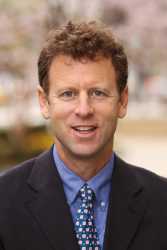
On October 14, Opportunity 08 hosted a discussion to examine some of the important policy concerns that the candidates and the debates have left unexamined. The discussion included such critical issues as education, immigration, North Korea’s nuclear program and U.S. relations with China. Participants included Michael O’Hanlon, senior fellow and director of Opportunity 08; Peter Berkowitz, senior fellow at the Hoover Institution at Stanford University; Richard Bush, senior fellow and director of the Center for Northeast Asian Policy Studies at Brookings; and Audrey Singer, senior fellow at Brookings.

Opportunity 08 aims to help presidential candidates and the public focus on critical issues facing the nation, providing ideas, policy forums and information on a broad range of domestic and foreign policy questions.
 

Transcript

AUDREY SINGER:  I want to thank you for the invitation to participate today because it is true that the candidates are not talking much about immigration. They're not talking about it much in their stump speeches nor during the debates. Their commercials and advertisements are not really touching on it in English. They are talking about it in Spanish and that is one of the most striking things about the conversation that's going on right now.  In English we hear very little. In Spanish there's this fight going on which Mike alluded to between who cares more for the immigrant population, for the Latin population in particular, and there's a battle going on that started about a month ago on television ads, but I think it's moved to radio now. They're both blaming each other for not getting immigration reform passed in the last congress. It's obvious that it's easy not to talk about it more generally and it's obvious that they're talking about it in Spanish because they're vying for the Latino vote and those commercials started playing in the swing states with heavy Latino populations and now Obama has moved into other swing states with smaller Latino and immigrant populations.

But the question is why are they not talking about immigration? There are a couple of important considerations there. One is that they essentially have the same stand on immigration policy and where it would go with one slight difference which I'll get to later on. So there's no big argument there. The problem with talking about immigration is they stand to lose votes. Whatever they say, because they both support a comprehensive approach to changing the nation's immigration laws, they stand to make people angry who are largely focused on the large population living in the country who don't have legal status and so they're avoiding it.

But the more complicated reason for why they're not talking about it is they don't really have a good solution beyond what's already been stated and it's a complicated issue, it's a very politicized issue, and it's a very emotional issue. So the response that they need to make hasn't really emerged yet and the way to lead on this would be to change the conversation a bit from what we've heard before which the last two congresses debated which brought up a lot of tough arguing and hard feelings. So that's kind of the bottom line there.

Participants

Moderator

Michael E. O'Hanlon

Senior Fellow, Foreign Policy

Panelists

Peter Berkowitz

Senior Fellow, The Hoover Institution, Stanford University

Richard C. Bush III

Director, Center for Northeast Asian Policy Studies

Audrey Singer

Senior Fellow, Metropolitan Policy Program


My Portfolio

My New Content

View suggested content based on items you have saved to your Portfolio.
Log in or register now