South Korea
Since democratization [of South Korea] in the late 1980s, Korean women have been participating in civil society and poiltics. In the 1990s, Korean [women] took off in their fight for equality and respect for human rights. Today, Korean society still perpetuates gender inequality through social and legal restrictions against women, but many young women have been pushing the boundaries and achieving positions of responsibility even in the military and in hospitals.
“The U.S. nuclear umbrella is a principal reason why North Korea does not use its conventional forces to inflict a major strike on South Korea. That in turn reduces any South Korean temptation to get its own nuclear deterrent. But no first use would mean that the U.S. would not use nuclear weapons to counter a North Korean conventional attack, and so removes them as a reason — perhaps the principal reason — for the North to show restraint.”
I really doubt seriously that [China's objections against THAAD] will have a major effect on [the implementation of U.N. Security Council Resolution] 2270...
[In South Korea] state heavy-handedness has repeatedly irked local communities, particularly when it suggests the bilateral military alliance takes precedence over their livelihoods and self-governance.
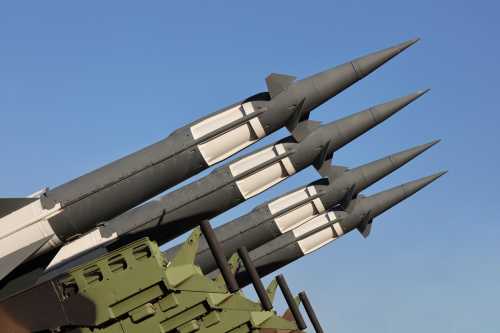
I certainly don’t believe THAAD or any missile defense is a panacea, [b]ut if it inhibits North Korea, under some extreme circumstances, from using its capabilities, and instills some confidence in the government of South Korea to defend key assets and population areas in a more integrated fashion, then it’ll be money well spent.