North Korea
I think that a [U.S.] military strike will only reinforce the belief among North Koreans that they need nuclear weapons to make sure that they maintain their sovereignty and their independence of action.
Most people would say that peaceful unification of the Korean peninsula is the preferred way of going about this, but I think that North Korea's ambitions are fundamentally at odds with U.S. policy and South Korea's policy.
I would argue that we still have quite a bit of runway to try to shape the way [Kim Jong-un] approaches the nuclear weapons program. I think that sanctions have never been tougher, there are internal stresses in the regime as the sanctions take hold, and the diplomatic isolation will continue to damage the regime's ability to gain hard currency for its weapons programs. I think we owe it to ourselves—and to our allies and for global peace—to let the maximum pressure work its way on North Korea.
[After coming to power, Kim Jong-un] really began to put money and political energy and time into developing an internationally competitive athletic prowess.
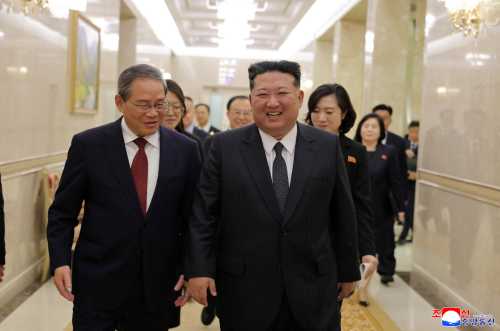
People say [Kim Jong-un is] young and untested, but he’s not that young anymore and he’s not that untested anymore. He’s a brutal dictator that is aggressive and vindictive and prone to violence, but he’s a rational leader making fundamentally rational choices. He knows how to dial things up, but he also knows how to recalibrate and dial them back down.