North Korea
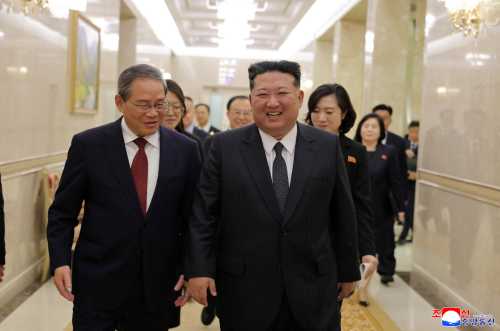
[Kim Jong Un] did not engage diplomatically at all in those first seven years [as the leader of North Korea], probably because he didn’t want to hear the Chinese nagging him about advancing these weapons. And also he wasn’t going to start bargaining or negotiating them away. ... Kim has done a pivot where he’s doing a maximum engagement.
Having someone [like Andrew Kim, head of the CIA’s Korea Mission Center] with strong links to South Korean officials suggests there’s probably a high level of coordination going on [in preparation for the Trump-Kim summit], which is a good thing.
[On Trump-Moon relationship] It’s not a bad relationship, but I wouldn’t call it a love fest either.
[President Trump’s public showmanship on North Korea] is creating a huge buzz where everyone wants to know what’s going on and what comes next...It’s a very dramatic way of conducting foreign policy and national security. But it creates a thin veneer of understanding. It’s mostly about symbolism...[Trump’s focus is] very much getting the public involved and invested in what’s going on. That’s the way you shape the narrative...[South Korea President] Moon is doing something similar. By televising the summit, televising the meetings, he’s creating an intimacy between the viewer and the object.
It’s also worth remembering that North Korea’s practice of seizing, imprisoning and, in one case, probably torturing Americans represents reprehensible behavior that says something about the nature of the regime. I would not give Pyongyang too much credit for undoing something it shouldn’t have been doing in the first place.