Immigrants & Immigration
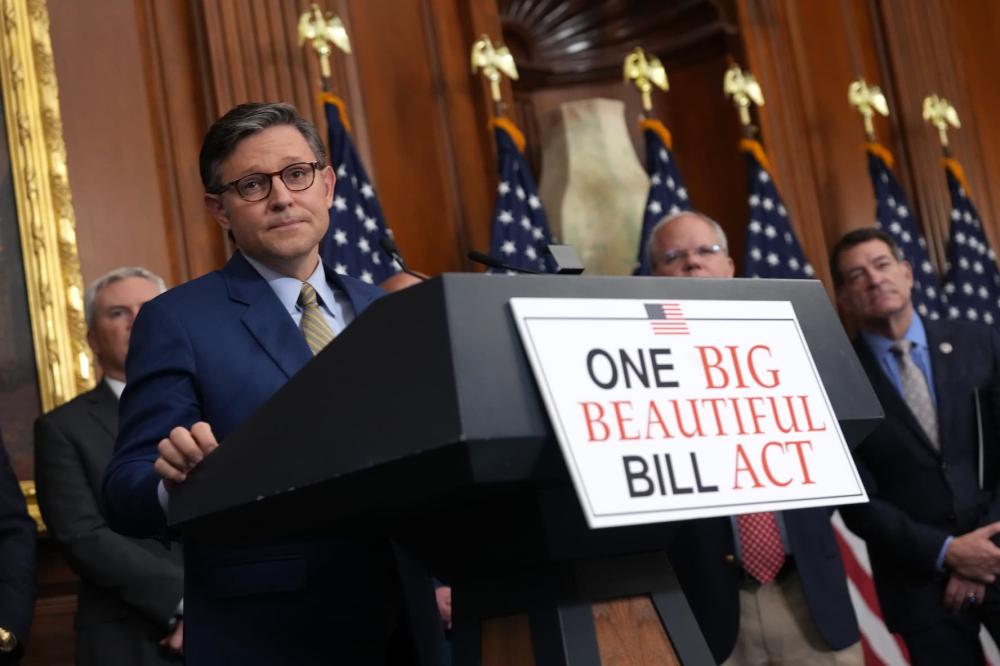
How the Big Beautiful Bill hurts the care economy

The Race, Prosperity, and Inclusion Initiative (RPII) at Brookings aims to advance concrete policy solutions that combat systemic racism and build a more equitable society for all Americans, with a particular focus on poor, low-income and communities of color.

The Race, Prosperity, and Inclusion Initiative (RPII) at Brookings aims to advance concrete policy solutions that combat systemic racism and build a more equitable society for all Americans, with a particular focus on poor, low-income and communities of color. The initiative encompasses scholarship from Brookings Economic Studies, Governance Studies, and Brookings Metro.

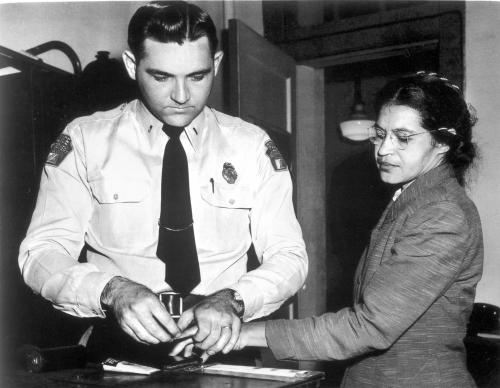
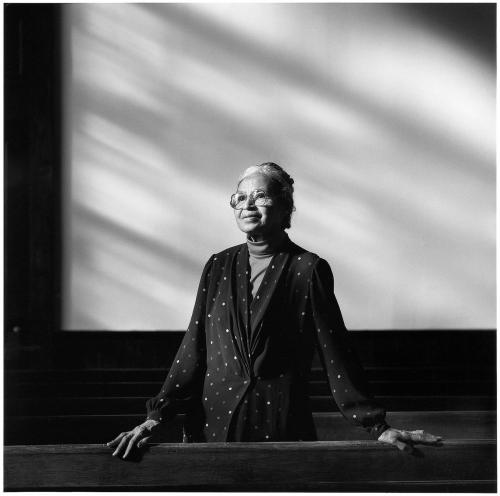
Civil rights and social justice are still central issues in American life 70 years after Rosa Parks refused to give up her seat on a Montgomery bus. This series honors her commitment to social change, inspiring women to lead policy and community organizing.

The Wellness in Black Life (#WIBL) project focuses on community-driven definitions of well-being, highlighting the vibrant experiences and contributions of Black men and boys in the U.S.
The How We Rise blog focuses on policy solutions to upend structural racism and create a more equitable society for all.

This series examines how social determinants influence gender biases in public health research, menstrual hygiene product development, and women’s health outcomes.

Data has the power to define and redefine narratives, especially for marginalized communities. This project illustrates how to empower local communities with access to open and transparent public data.
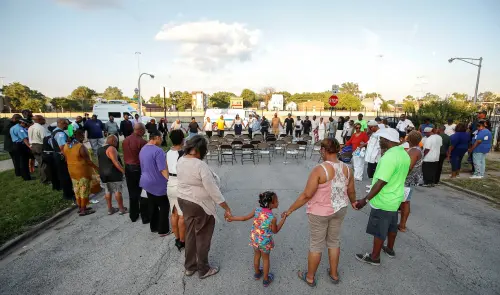
The People, Policy, and Police project sheds light on how policing influences public safety and community health. We highlight the work of various stakeholders in these cities and the police reform legislation needed to make effective and lasting policy changes.
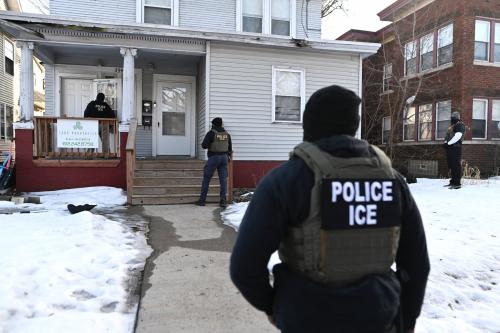
Gabriel R. Sanchez spoke with CBC Kids about ICE enforcement practices and their impact on youth in U.S. cities.
Rashawn Ray spoke with C-SPAN about potential reforms to the Trump administration’s immigration enforcement tactics.
Richard Reeves was interviewed on WBUR’s “Here & Now” about ways in which boys and men are falling behind.
Howard Henderson spoke to The Houston Chronicle about bridging the divide between police and the community of Harris County, Texas.
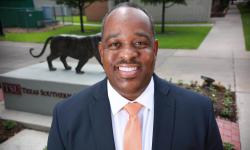
Edward D. Vargas spoke about the long-term effects of racial profiling on Latino Americans with Illinois News Connection.
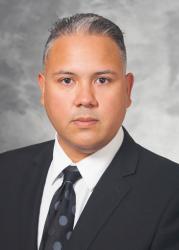
Andre M. Perry discussed the rising costs and a lack of middle-income jobs in New York City with MSNBC.
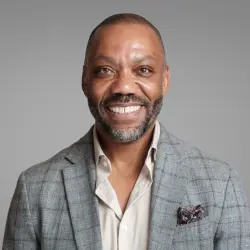
Richard Reeves spoke to The New York Times about the merits of boys deferring kindergarten by a year.
Howard Henderson spoke to the Houston Chronicle about the report that resulted from George Floyd’s death and led to 106 reform proposals for the Houston Police Department.
Rashawn Ray appeared on Matter of Fact where he shared key findings from his latest report on police reform, “The state of police reform: Measuring progress in each state.”