
U.S. Government & Politics
Reforming regulation: A proposal to end unsound cost-benefit analysis requirements for tax and transfer rules
11:30 am EDT - 1:00 pm EDT
Past Event
11:30 am - 1:00 pm EDT
1775 Massachusetts Ave NW
Washington, D.C.
20036
When prediction market platforms started launching in the early 2020s, they were considered just a new way to gamble on sports or future events. However, the contracts that they operate on act like financial instruments. The result is a totally different legal and regulatory structure.
Recent events, from members of the military wagering on combat actions, to politicians buying contracts tied to their own elections, to people manipulating thermostats to change bets on the weather, have led some to argue that these markets are not fair and need further regulation. Others argue that the technology behind these markets, coupled with the fact that these scandals have come to light, show that existing regulatory forces are adequate or at least that structures are in place to create markets with integrity and reliability.
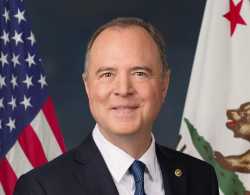
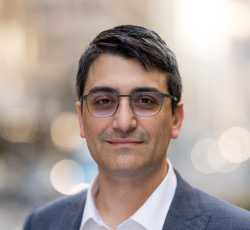
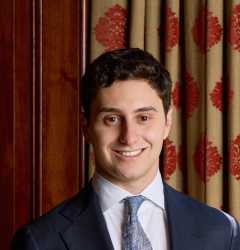
On May 12, Brookings Center on Markets and Regulation held the second in a series of events that examine the rise of prediction markets. Senator Adam Schiff (D-Calif.), author of bipartisan legislation on this subject, shared his perspectives. A panel of experts, including the Council on Foreign Relations’ Sam Henry Lazarus, Georgia State University’s Todd Phillips, and Kalshi General Counsel and Chief Regulatory Officer Rick Heaslip, continued the debate, moderated by Krystal Hur of the Wall Street Journal.
Watch the first event of this series, held on April 14, here.

Moderator

Moderator