
China
Is China dynamic or dysfunctional?
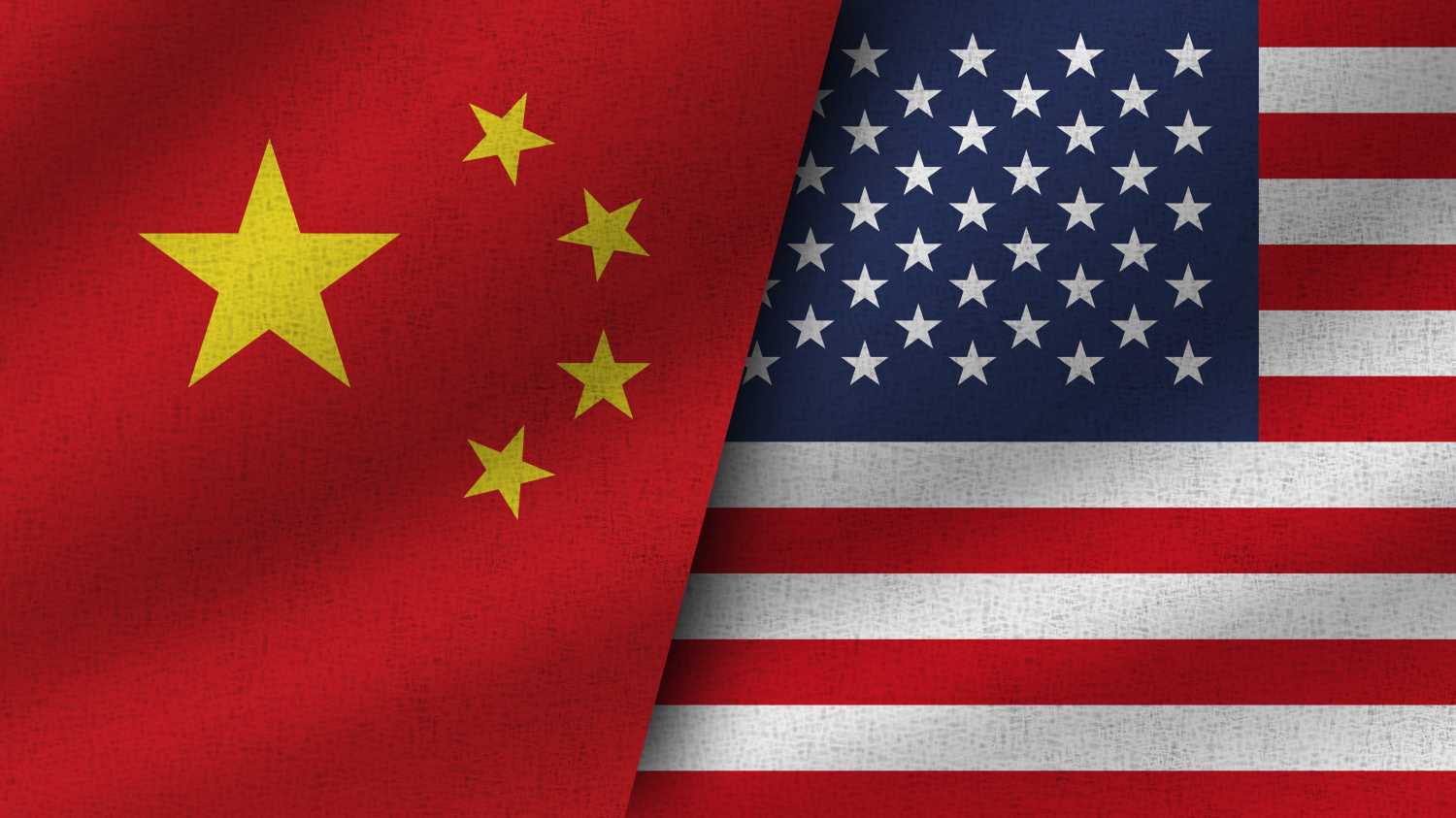
Bold policy initiatives the United States can take to ensure it maintains its edge over China.
Explore the project:
The United States remains the preeminent power, but its position is eroding relative to China. In this competition, the United States is like a patient whose condition is not yet acute, but whose health indicators are trending negative. The Brookings Institution’s deep bench of experts on both foreign and domestic policy will lay out bold policy initiatives the next presidential administration—whether Republican or Democratic—can take to ensure the U.S. maintains its edge over China.
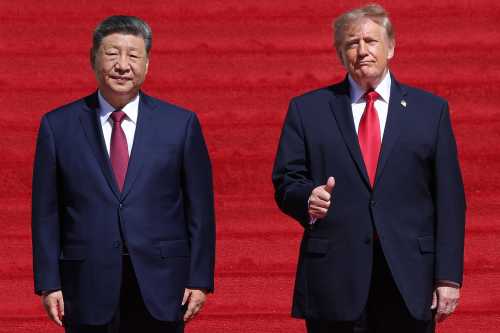


This pillar will focus on identifying politically viable ways that the U.S. can develop coherent, bipartisan policies for competing with China.

This research will consider how policymakers can find additional resources to maintain its edge over China given the deteriorating U.S. fiscal situation.

This pillar will provide recommendations from across Brookings for policies that would position the United States to outpace China in key technologies.

This research will identify critical chokepoints, outline the fundamentals of the relevant markets, and design targeted incentives to develop supply chains that are resilient to strategic interventions from Beijing.

This pillar of research will include recommendations for the military to raise risks and uncertainties for China, as well as ways to enhance the U.S. defense industrial base.

This research will identify both the punitive and affirmative economic policies the United States should pursue in the Indo-Pacific in order to secure its competitive edge.

This pillar will generate ideas for initiatives like the Quad and AUKUS focused on specific aspects of the competition with China and the diplomatic pathways needed to achieve them.
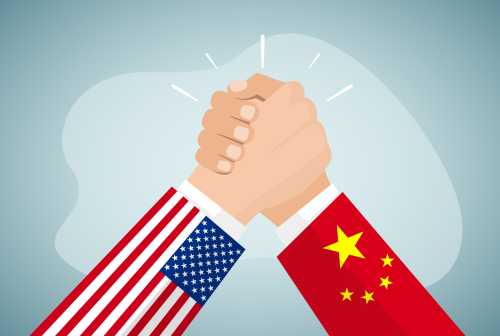
This research will provide fresh assessments of China’s strengths and vulnerabilities, right-size the China challenge, as well as lay out proposals for how best to engage China even as the two sides compete.