Emerging Markets & Developing Economies
Leveraging diaspora philanthropy to finance social sector development in Africa

With this and every edition of Foresight Africa, our goal is to elevate the region’s top priorities for the year ahead and to offer actionable recommendations for African and global stakeholders committed to building a strong, sustainable, and prosperous continent.
As 2026 begins, Africa’s economic trajectory is at a crossroads, and the region is poised to experience the world’s fastest labor force expansion. At the same time, foreign aid is undergoing an unprecedented contraction just as Africa’s capital needs are intensifying. Yet beneath these pressures lie extraordinary opportunities—if the continent can seize the moment with clarity, coordination, and ambition.
This year’s Foresight Africa report brings together leading scholars and practitioners to illuminate how Africa can navigate the challenges of 2026 and chart a path toward inclusive, resilient, and self-determined growth.
Chapter 1 examines the shifting global aid landscape and the implications for Africa’s development financing. As traditional aid declines, our authors highlight strategies to mobilize Africa’s own resources for development. Brahima S. Coulibaly and Wafa Abedin weigh using natural resource wealth to fill this gap, while Omer Zang discusses bolstering health financing from within.
Viewpoints
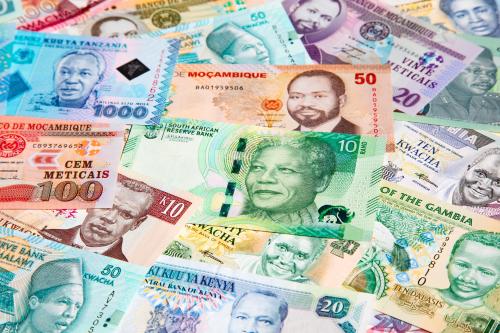
With the population projected to double by 2050, Africa’s demographic transition is both its greatest asset and its greatest risk. Chapter 2 argues for bold investments in human capital and the creation of quality jobs for youth to fuel prosperity rather than deepen fragility. Pierre Nguimkeu lays out five key assets that the continent can turn into good jobs at scale.
Viewpoints



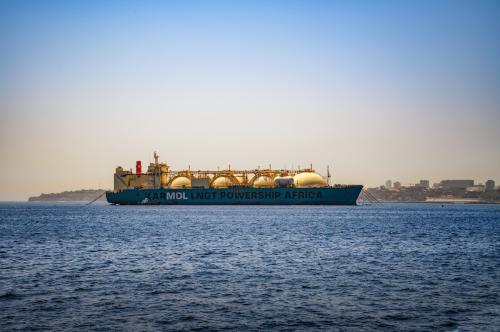
Value-added industrialization remains essential to Africa’s long-term growth. Chapter 3 outlines strategies to revive the industrial sector for sustainable growth by expanding energy supply, advancing mineral beneficiation, and accelerating technology adaptation, alongside new and emerging service-based industries. Ede Ijjasz-Vasquez, Landry Signé, and Vera Songwe outline ways to unlock Africa’s critical minerals wealth for broad-based prosperity and global competitiveness.
Viewpoints



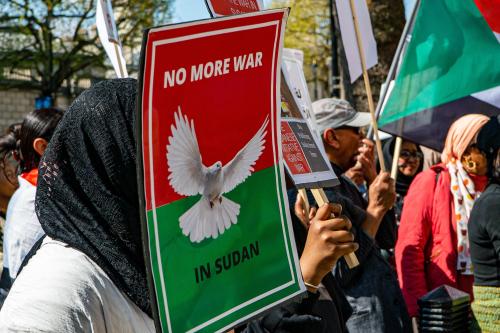
Governance developments in 2025 underscored both progress and persistent fragility, highlighting the urgency of rethinking how peace, security, and governance are built and sustained. Chapter 4 brings together insights on democratic resilience, rebuilding public trust in state institutions, evolving conflict dynamics, and the growing influence of social media on political participation. Danielle Resnick and Landry Signé unpack lessons on improving democratic resilience from five countries.
Viewpoints


The rise of new powers, evolving U.S.-Africa relations, and weakening multilateralism are reshaping the geopolitical landscape. In this context, Chapter 5 explores how Africa can assert its interests, strengthen its voice, and transform geopolitical realignments into opportunities. Landry Signé, Acha Leke, and Mayowa Kuyoro outline actions for Africa to use the moment to shape the global order.
Viewpoints

Regional integration remains one of Africa’s most powerful levers for prosperity. With the African Continental Free Trade Area now moving from vision to implementation, Chapter 6 examines how leveraging technology, trade facilitation, and coordinated policy reforms can accelerate integration, create jobs, and drive long-term growth. Andrew Dabalen, Woubet Kassa, and Pierre Nguimkeu discuss how to make Africa’s integration work for jobs, scale, and structural change.
Viewpoints