This paper was published by the Aspen Economic Strategy Group.
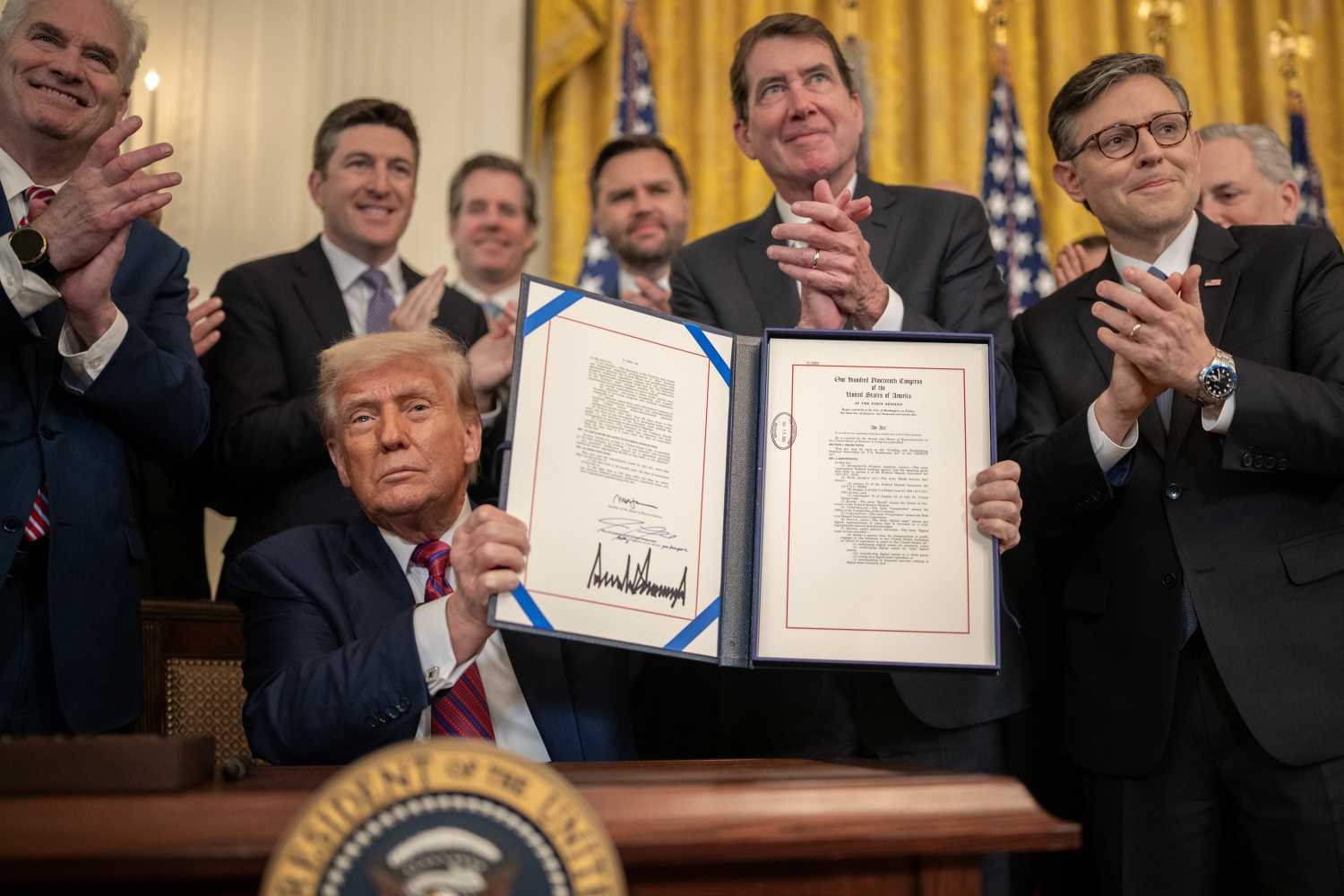
The rapid growth of U.S. dollar-backed stablecoins has moved them from the margins of the cryptocurrency ecosystem into the center of debates about the future of money and payments, the global role of the dollar, and the U.S. fiscal position. The passage of the GENIUS Act in 2025 created the first comprehensive federal framework for payment stablecoins, opening the door for broader adoption and innovation while raising new questions about financial stability and efforts to combat illicit finance and protect our national security.
Nellie Liang of the Hutchins Center at Brookings and Brent Neiman of the University of Chicago examine how stablecoins could reshape the U.S. financial system if they become widely used for payments. Properly regulated stablecoins could deliver meaningful benefits, they argue, but those gains come with tradeoffs that policymakers will need to manage as regulators implement the GENIUS Act and Congress considers future legislation.
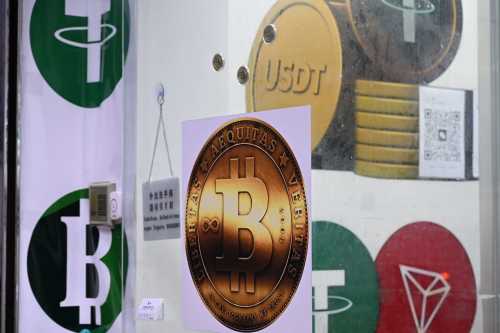
Stablecoins are privately issued digital money that can serve as a substitute for cash or bank deposits. Stablecoins circulate on public blockchain networks and can be transferred directly between users without relying on the issuer or any central authority to validate transactions. Unlike volatile cryptocurrencies such as Bitcoin, payment stablecoins are designed to maintain a stable value, and the vast majority in circulation are pegged to the U.S. dollar. The GENIUS Act requires issuers to back stablecoins at least one-for-one with eligible reserve assets, such as Treasury bills, and establishes a framework governing issuance, redemption, and compliance with anti-money-laundering and sanctions rules. The total value of the stablecoin market, as of June 2026, was about $270 billion.
Liang and Neiman argue that stablecoins can offer significant advantages for payments and settlement. Existing payment systems, particularly for international transactions, remain costly, slow, and fragmented. Domestic payments can involve significant fees and settlement delays, while cross-border payments often pass through multiple correspondent banks operating under different compliance and regulatory regimes. Stablecoins have the potential to reduce these frictions by allowing transactions to settle nearly instantly, 24 hours a day, seven days a week. Stablecoins also can be programmable—enabled through smart contracts embedded in blockchain networks—to automate complex transactions that currently require manual processing by banks and other intermediaries.
Beyond payments, the authors argue that stablecoins could reinforce the international role of the U.S. dollar. As countries continue developing their own digital payment systems and central bank digital currencies, a widely available digital dollar would help preserve the dollar’s dominance in global trade and finance. Stablecoins could expand access to dollar-denominated assets in countries with high inflation or weak financial systems while supporting the network effects that have long underpinned the dollar’s international role.
The paper emphasizes, however, that the technological advantages of stablecoins do not necessarily make them suitable for mainstream commerce today. The authors emphasize that the financial regulators still need to set capital and liquidity requirements to ensure that stablecoins can be convertible to a U.S. dollar on demand at any time. In particular, issuers should be required to hold more capital for reserves invested in uninsured bank deposits than in Treasury bills or cash. Stablecoins also currently lack many of the consumer protections and operational safeguards associated with traditional payment systems, including mechanisms for dispute resolution, fraud recovery, and guaranteed settlement finality, and issuers will need to develop infrastructure that preserves blockchain efficiency while meeting higher trust and reliability standards.
At the same time, the paper identifies an important national security concern. The current international financial system gives U.S. authorities significant leverage through correspondent banking relationships that support sanctions enforcement and anti-money-laundering efforts. If stablecoins reduce reliance on traditional banking networks, those enforcement mechanisms could become less effective. The authors therefore argue that regulators should require stablecoin issuers and wallet providers to implement compliance systems capable of blocking illicit transactions and cooperating rapidly with law enforcement. Maintaining the national security benefits that come from the dollar’s global role, they contend, requires preserving not only the currency’s widespread use but also the connections to U.S. financial institutions that underpin financial sanctions and anti-money-laundering enforcement.
The authors highlight that success for mainstream finance is not guaranteed. Stablecoin usage could grow substantially and co-exist with bank payment products or may languish if financial and national security concerns cannot be addressed. Regardless, the greater regulatory clarity has already ignited competition and innovation by banks and fintechs that could bring about significant improvements for payments and blockchain settlement infrastructure.
Many foreign governments worry that widespread adoption of U.S. dollar-backed stablecoins could weaken their own monetary sovereignty if residents hold and transact in dollars rather than domestic currencies. These concerns have accelerated efforts abroad to develop central bank digital currencies, fast payment systems, and domestic stablecoin frameworks. The authors argue that U.S. policymakers should engage foreign governments to reduce these spillover effects while recognizing that preserving the status quo in global payments is no longer a realistic option.
Because the GENIUS Act requires stablecoin reserves to be invested primarily in short-term Treasury securities, strong growth in stablecoins could substantially increase demand for Treasury bills and help our government finances. The size of any increase in demand, however, will crucially depend on the source of stablecoin growth. For example, if there were substitution away from money market mutual funds, those funds would sell their Treasury holdings, dampening net new demand. If stablecoin growth largely comes from demand from abroad, net new demand would be larger. The authors consider several scenarios developed by private sector forecasters for future stablecoin adoption and show how those scenarios imply first-round net demand estimates for Treasury bills ranging from $400 billion to $2.3 trillion by 2030. (The authors also provide an online tool that can be used to apply other assumptions for stablecoin adoption and sources of growth to estimate net new demand for Treasury bills.)
However, greater reliance on Treasury bills would shorten the average maturity of federal debt, exposing taxpayers to more frequent refinancing and greater variability in interest costs. Stablecoins could also reduce federal seigniorage revenue if households and businesses substitute privately issued digital money for physical currency. The authors note that if stablecoins attract deposits away from commercial banks—particularly community banks—they could reduce an important source of credit for small businesses, even if alternative lenders eventually fill much of the gap.
Recognizing these competing effects, Liang and Neiman recommend that Treasury incorporate stablecoin demand into its debt management strategy and carefully evaluate how additional demand for Treasury bills should influence the maturity structure of federal borrowing. They also recommend maintaining the current prohibition on paying interest on stablecoins, at least initially, to slow potentially disruptive shifts from bank deposits until regulators gain more experience with the new market.
The authors conclude that well-regulated stablecoins have the potential to improve payment efficiency, strengthen the global role of the dollar, and modestly benefit the U.S. fiscal position. But realizing those benefits requires regulators to address difficult tradeoffs involving financial stability, consumer protection, illicit finance, bank intermediation, and debt management. Looking further ahead, the authors caution that widespread adoption of privately issued digital money could eventually raise more fundamental questions about the relationship between central bank money and private money. While those challenges remain some distance away, the choices policymakers make as they implement the GENIUS Act will play an important role in determining whether stablecoins become a durable complement to the existing monetary system or introduce new risks that outweigh their promise.
Authors

Related Content


The Brookings Institution is committed to quality, independence, and impact.
We are supported by a diverse array of funders. In line with our values and policies, each Brookings publication represents the sole views of its author(s).