



You go into the town clerk and you pay your taxes and you get your dog license. You go into the Civic Standard and you never know what's gonna happen. You get a free meal. You meet a kid and play cards with them. You have a cup of coffee.
Rose Friedman, co-founder and director, the Civic Standard
After devastating floods hit Hardwick, Vermont, the Civic Standard, a self-described community cultural center, stepped in to organize cleanups, meals, and aid while residents navigated FEMA’s response, difficult buyout decisions—and tough conversations about the future of their community. In this episode, host Tony Pipa explores how cultural connections have built trust and relationships that are helping a rural town chart its future out of crisis, and how federal policy could better support that.
Featuring:
- Ashton Allen, concrete contractor; property manager
- Linda Fox, founder, Renaissance Cafe
- Rose Friedman, co-founder and director, the Civic Standard
- Kristin Leahy, Resilience and Adaptation Coordinator, Town of Hardwick, Vermont
- Bryan Palilonis, chef/owner, Caja Taqueria
- David “Opie” Upson, Manager, Town of Hardwick, Vermont
- Peter Welch, U.S. Senator, Vermont
From season three, other towns facing disaster recovery


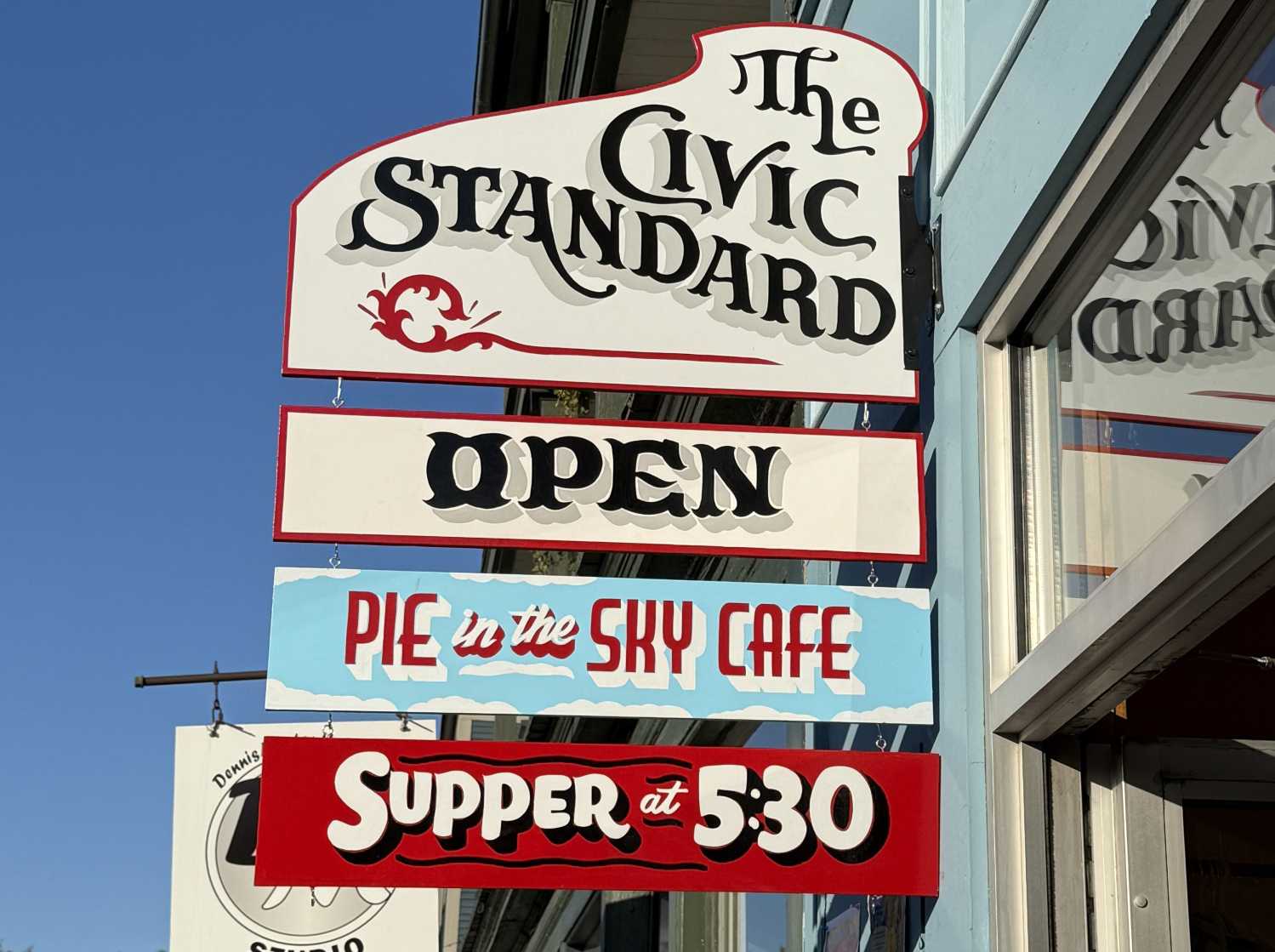
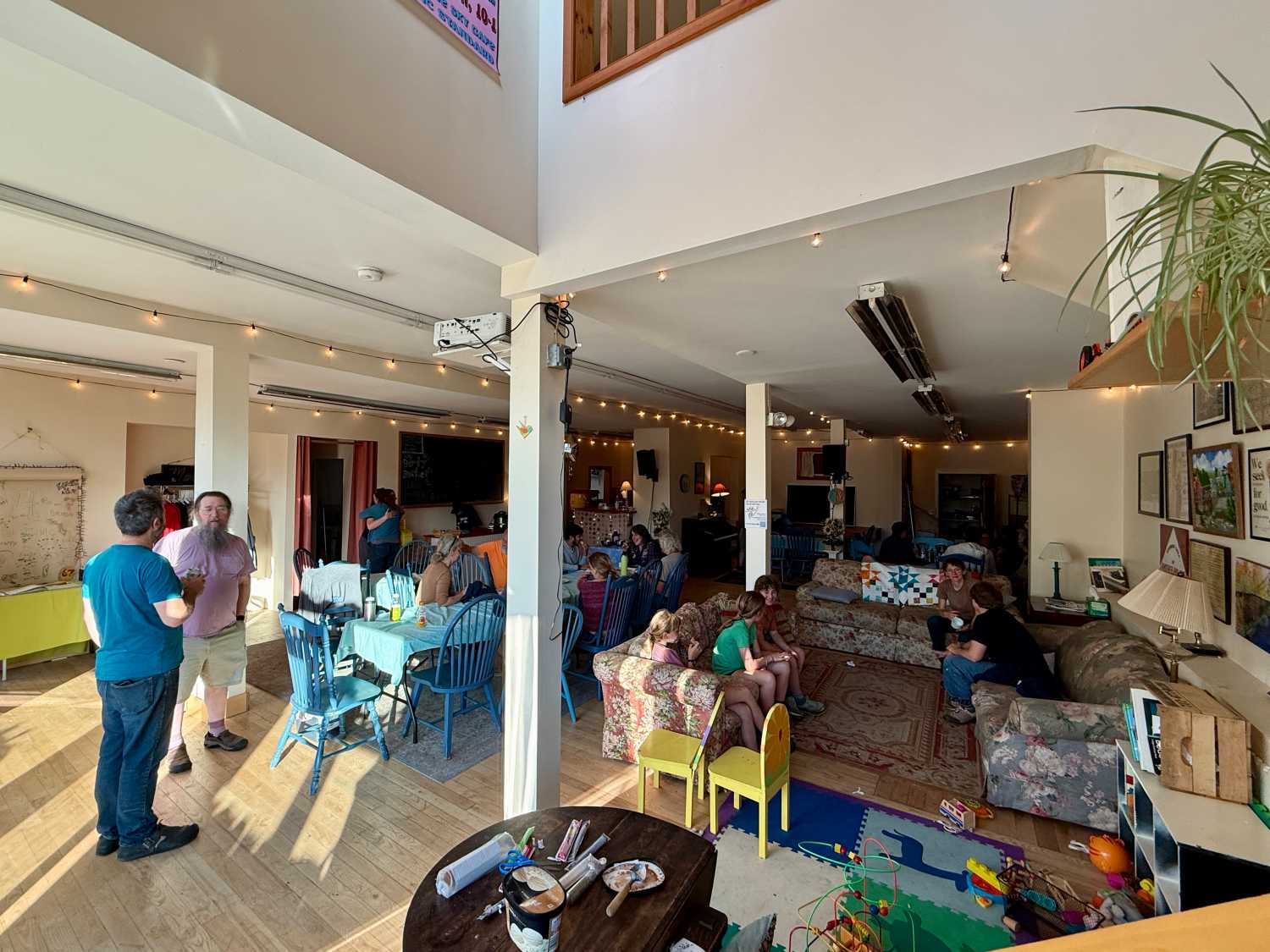
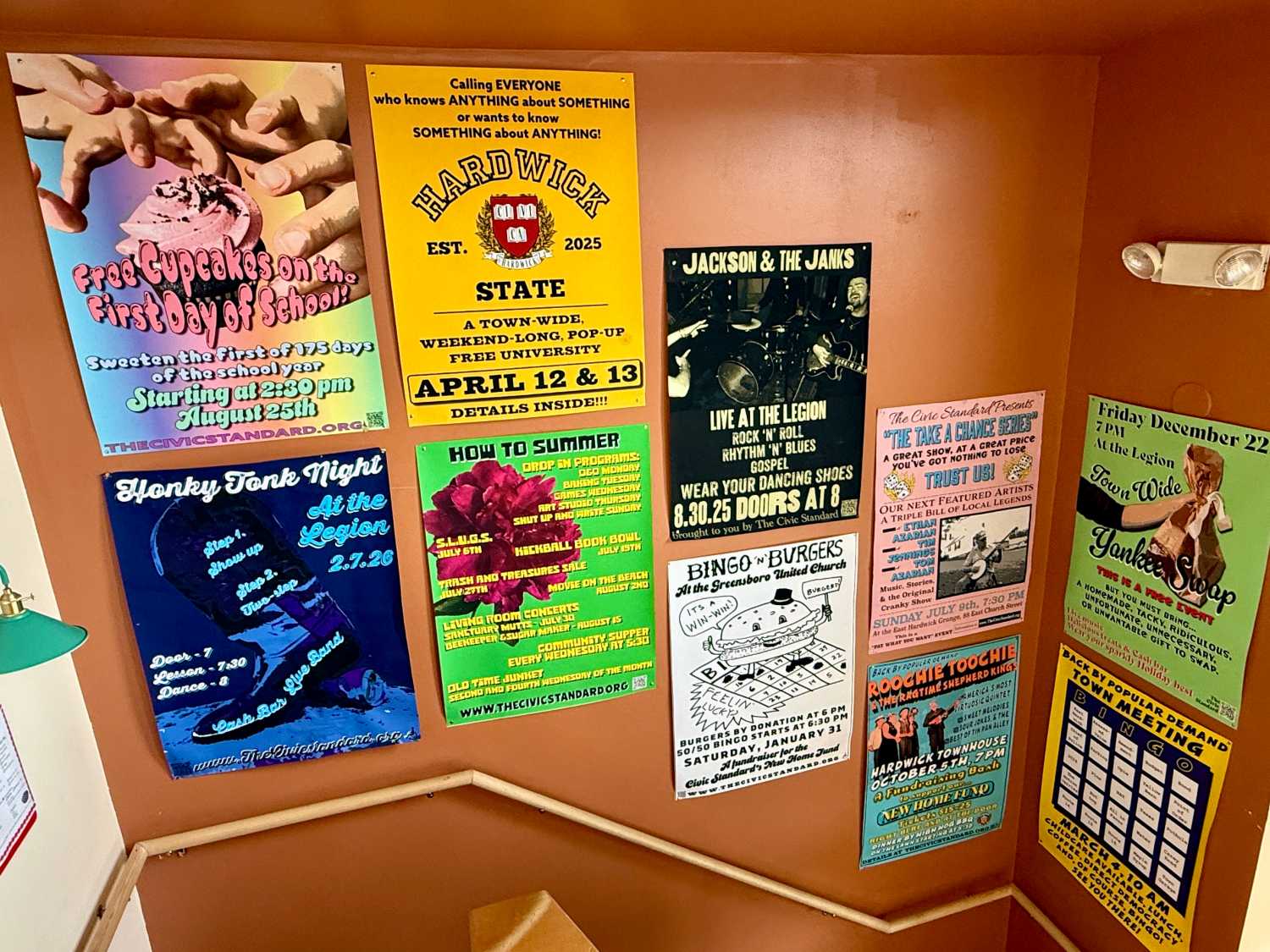
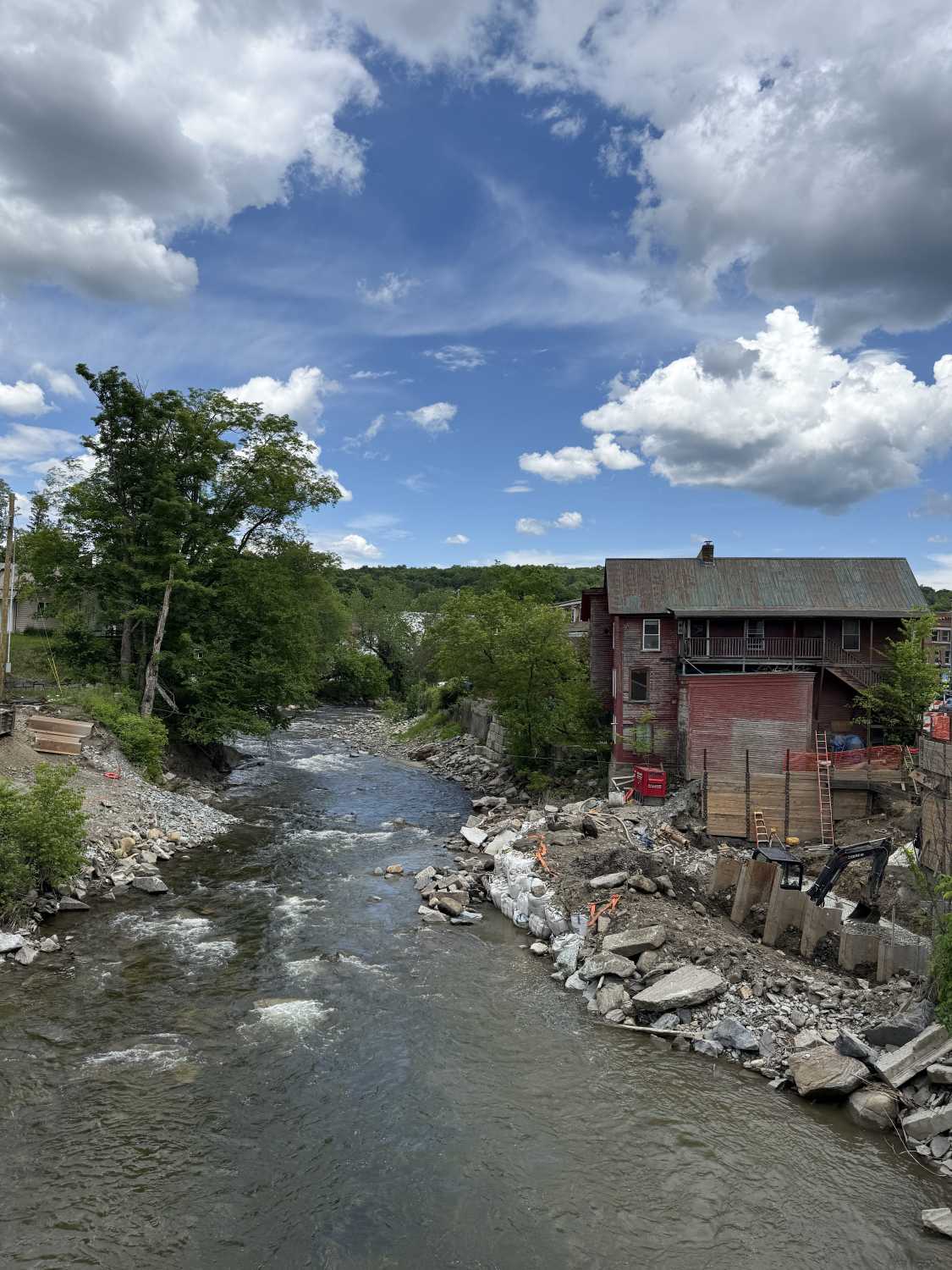
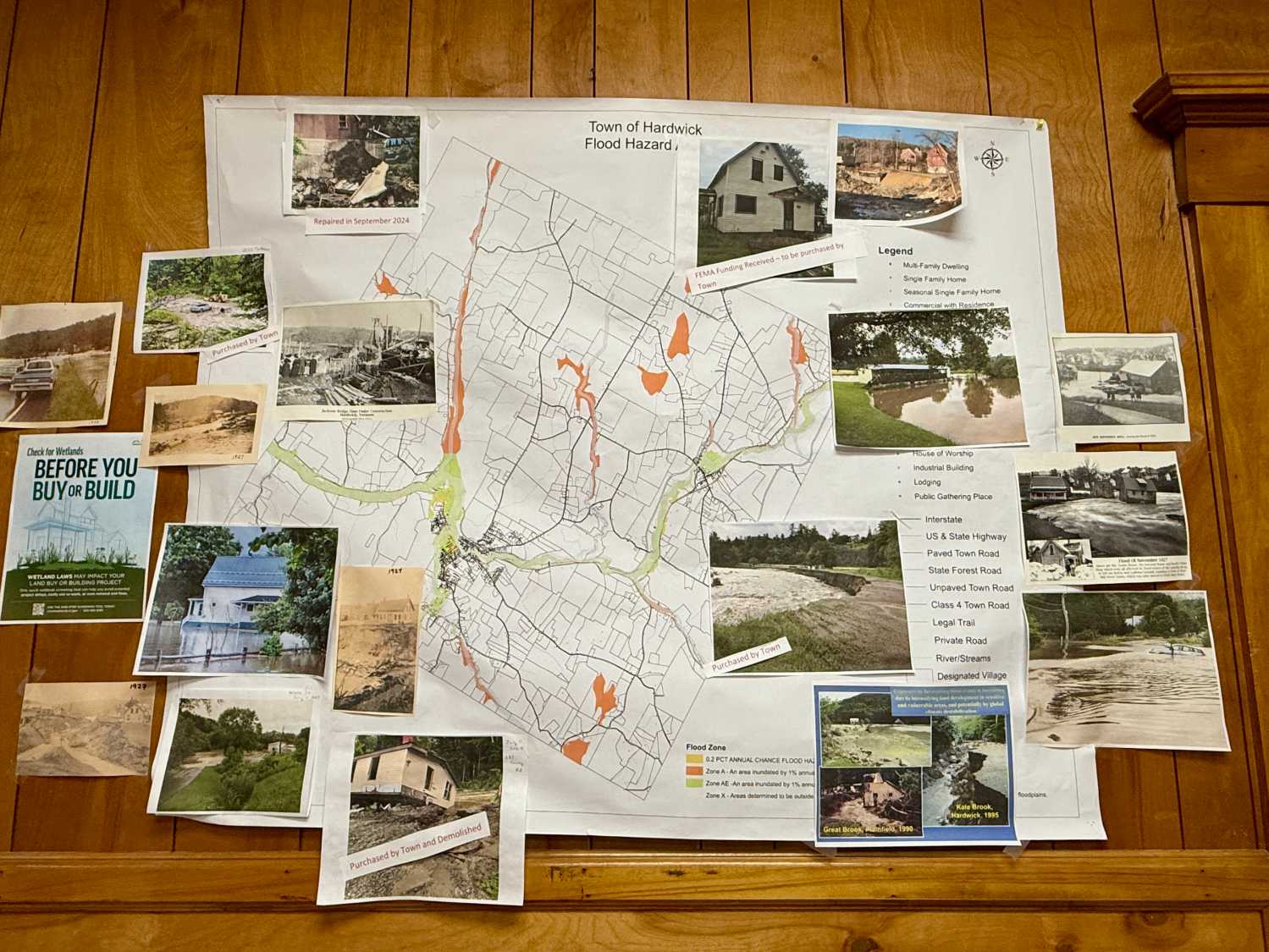
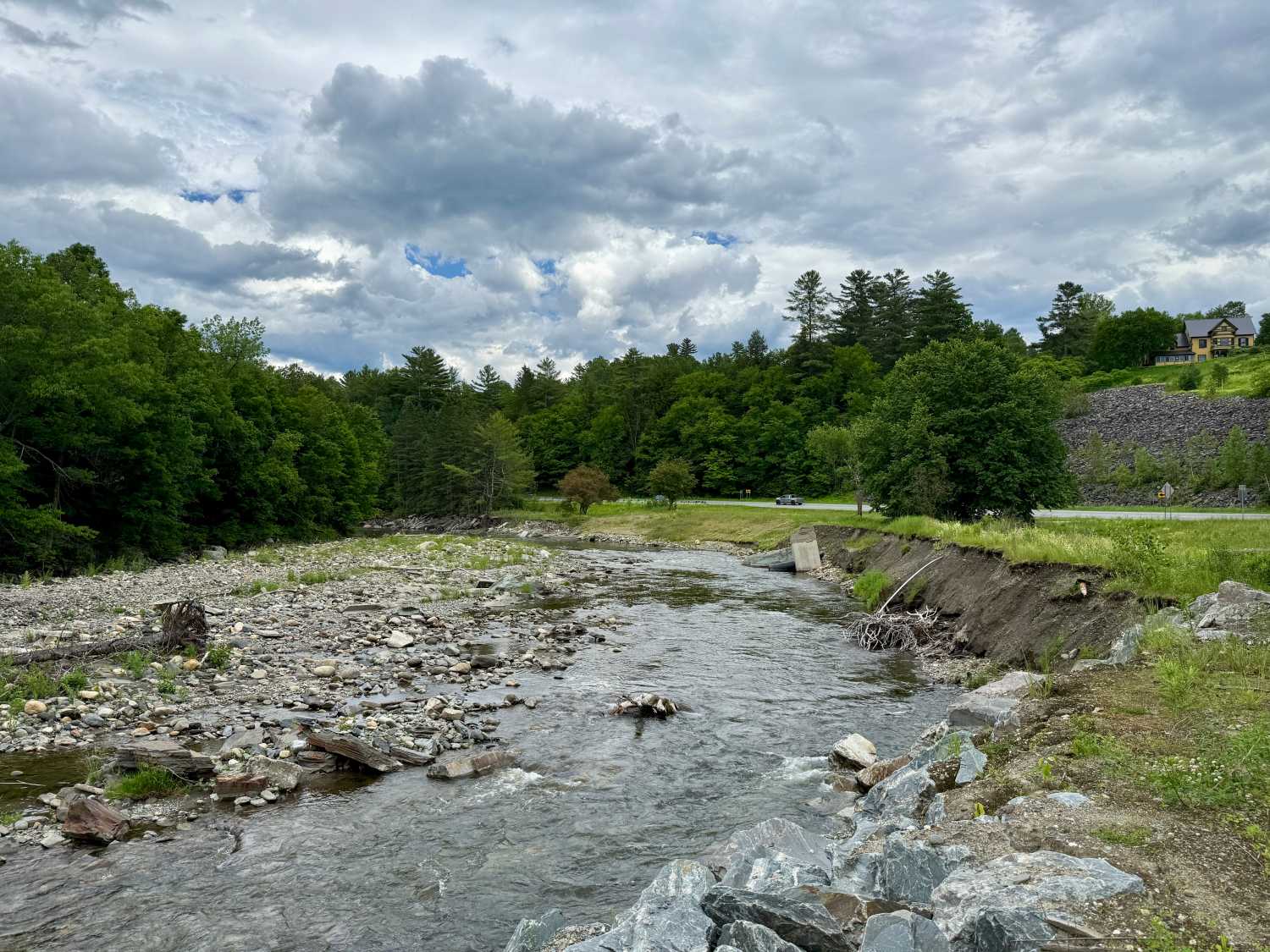
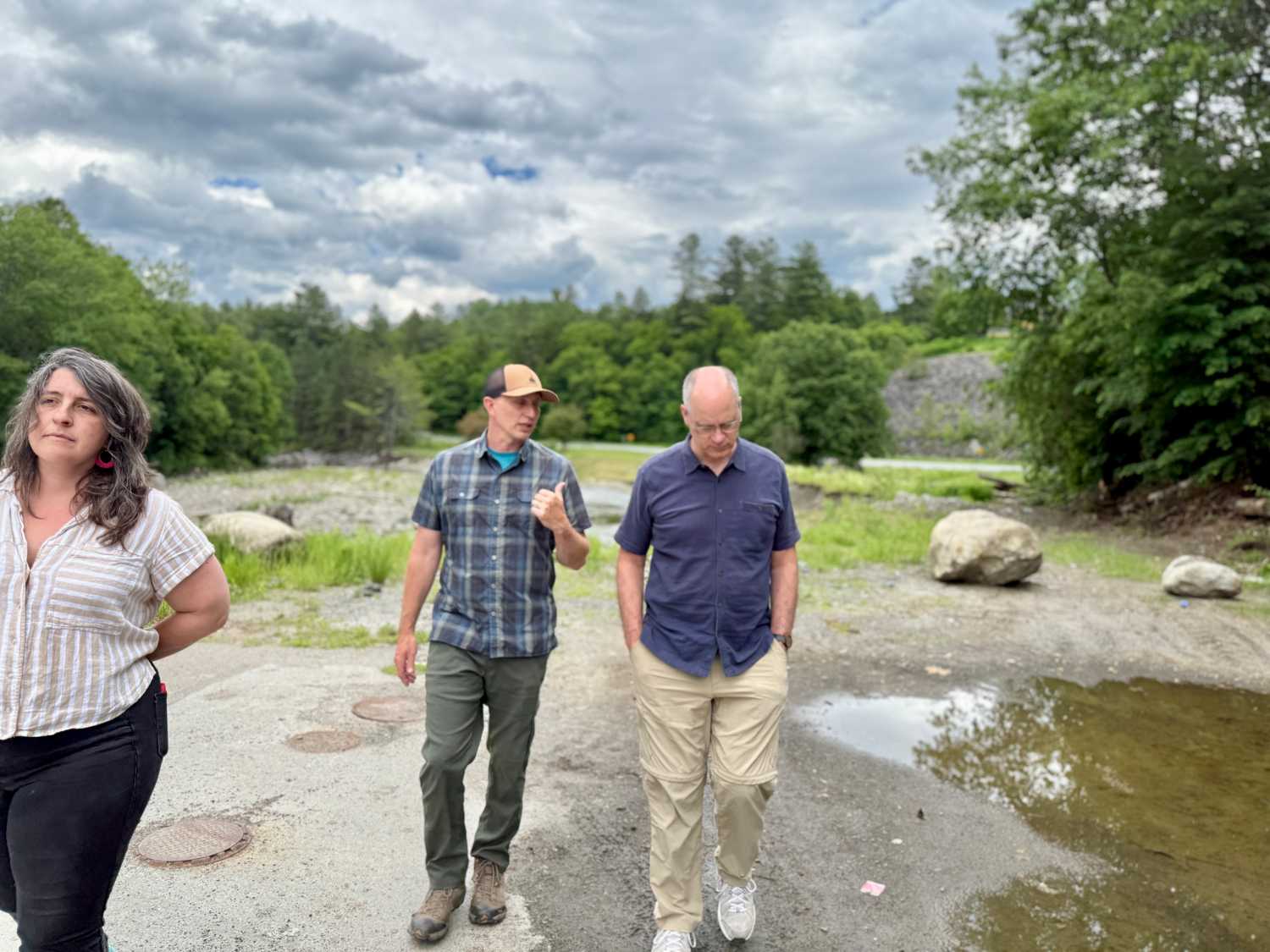
Scenes from Hardwick, Vermont
Transcript
TONY PIPA: If you’ve been following the show for a while, you know that natural disasters can be existential events for small towns. I’ve been to several places that are recovering from floods or hurricanes, and there’s always a fear that when a major crisis hits, the loss of just a few families or businesses can force a transition the town can’t recover from.
[rushing water sounds]
That’s the Lamoille River running right through downtown Hardwick, Vermont. It was once a key part of powering the grist and lumber mills that line the riverbank. And these days, it remains a striking feature of the town. But when a major flood hit the region in July 2023, the river grew to four times its normal width, and it carved out a brand-new path for itself, reshaping the downtown.
NEWS CLIPS: “The owners of the Hardwick Inn are still trying to grasp the fact their business is mainly in the Lamoille River. Catastrophic flooding in Vermont.”
“Crews are racing to save people right now. It could take days before everyone trapped is rescued.”
“The devastation and flooding we’re experiencing across Vermont is historic and catastrophic.”
“Water in Hardwick has receded, but the damage it left behind is significant.”
[1:11]
TONY PIPA: It’s a place that’s used to a lot of water. Back in 1973, a motel along the river collapsed on its property during a major flood. After the waters receded, the site was stabilized and filled in. But 50 years later, as the Lamoille raged, the ground beneath that same motel began to erode.
[1:33]
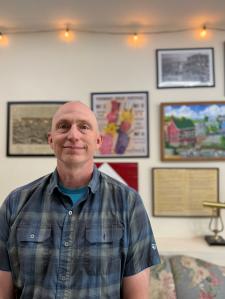
DAVID UPSON: Yeah, this whole channel here is like an hourglass. So, it’s really wide above town, and then it gets really narrow through the village, and then it opens up again at the bottom. So, the the water just comes through here with so much force. It’s pretty crazy.
My name is David Upson. My title is the town manager for the town of Hardwick. My nickname is Opie, and that’s what people call me.
[1:59]
TONY PIPA: The guests and owners of the Inn by the River, about 40 people total, had to evacuate to shelter. Parts of the motel broke away and started to rush downstream. Later, some of the debris was found five miles from Hardwick.
[2:14]
DAVID UPSON: So, the motel came down through here when it, bits and pieces of it fell off. And then, like, all the like, all the property from the motel property, there was a boat up there, a pontoon boat, and it and it was still on the trailer. It came down through here and and hit. Like, people saw it come flying down through here. And it hit… I don’t know if this is what caused damage, but there was a, there’s two divots in the concrete wall that you can see in front of the diner, that it hit right there and took two chunks of concrete out.
TONY PIPA: And so, the force of the water coming through must have just been significant.
DAVID UPSON: Yeah. It’s a a lotta water moving really fast.
[2:57]
ROSE FRIEDMAN: I’m Rose Friedman, and I’m the executive director of the Civic Standard.
Everybody was thinking at that point, “Oh, this building might take on a lot of water.” Nobody was thinking the entire thing is now gonna fall in.
DAVID UPSON: Right.
ROSE FRIEDMAN: And the building didn’t get flooded. It’s that the ground underneath it got eaten away, and the building then fell in.
[3:21]
TONY PIPA: In the immediate aftermath of the flooding, Rose and her organization became a critical part of the response in Hardwick. The Civic Standard, part cultural organization, part community center, collected donations, organized cleanups, served meals, and helped displaced residents start to get their lives in order again.
[3:41]
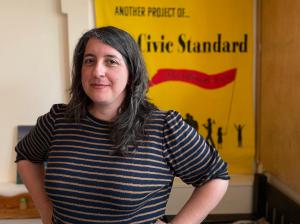
ROSE FRIEDMAN: We were doing stuff that felt a lot more like being a case manager, social worker, and we were calling in supports where we could, and calling on people who we thought could help.
A community is is a place, and is like a government infrastructure, right, and is often a commercial main street. But then there’s this other part that’s, like, invisible and unspoken, that’s about how people relate to each other and how they see each other.
[4:11]
TONY PIPA: The Civic Standard has grown into exactly what Rose had hoped it would be, a place for theater, and music, and play that also responds directly to the needs of its community.
[music]
[4:24]
ROSE FRIEDMAN: We’re all, like, accounting for each other all the time. And how do you grow that? Like, it’s not through shops. And more and more it’s not through church, or Grange, or, you know, all these fraternal organizations that I think used to do a lot of that holding us together.
And so, we thought a lot early on about, like, what is the new Grange? What is the new church?
[4:52]
DAVID UPSON: All the stuff that they’ve done hit the mark. And I think without the Civic Standard, we wouldn’t have the engagement and the the level of compassion that we have here in the community today. They’ve done this.
[5:07]
TONY PIPA: Almost exactly to the day one year later, this rural Vermont town experienced another major flood. On this episode of Reimagine Rural, we’ll explore what that’s meant to this community, and how a civic spirit unique to this place has helped them recover.
[music]
I’m Tony Pipa, a senior fellow in the Center for Sustainable Development at the Brookings Institution, and your host for the Reimagine Rural podcast. Join me as we kick off this season of stories about rural places across America that are finding ways to remain vital and vibrant amid economic and social change.
[music]
Hardwick is situated at the edge of Vermont’s beautiful Northeast Kingdom. A former governor is thought to have coined that term in a nod to the area’s stateliness. Granite was once the major industry here, and stone from Hardwick has been in projects throughout the country, in state capitals, banks, and even monuments at the Gettysburg National Military Park.
“Hardscrabble” is a word often used to describe Hardwick, matching the toughness of its inhabitants with the solidity of its granite. Several of the people we interviewed said Vermonters regularly use Hardwick as the butt of dumb jokes.
[6:32]
DAVID UPSON: And—
TONY PIPA: What were the jokes about? Like—
DAVID UPSON: Oh, just, you know, the, you know, the toothbrush was invented in Hardwick. You know, I heard it just the other day at a baseball game. One of the coaches from St. Johnsbury came over and was like, “Oh, did you hear about the Hardwick joke? No, if it was invented anywhere else, it’d be called the teethbrush.” The teethbrush. Yeah. Yeah. You could, you make those jokes about anything. So, I’ve always been a defender of Hardwick because it’s great.
This is… Like, we’re, we’re a very close community and and when shit hits the fan, like, people show up.
[7:06]
TONY PIPA: I gotta say, no matter its reputation, it’s a place with a certain civic spirit that its inhabitants love.
[7:18]
ASHTON ALLEN: Well, my name is Ashton Allen.
TONY PIPA: Ashton is a concrete contractor and a property manager, among other things.
ASHTON ALLEN: Might be easier to tell you what I don’t do. No, I’m… ’ve worn all kinds of hats. I’m kind of a jack of all trades, master of none.
TONY PIPA: In 2009, Ashton spotted a foreclosed home listed for sale in Hardwick and decided to cash in on a new first-time home buyer’s tax credit. He’s from a town about a half-hour away and saw the purchase as a steppingstone. Putting down roots in Hardwick was not the plan.
[7:52]
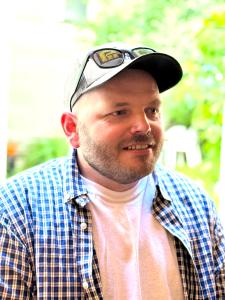
ASHTON ALLEN: I bought my place expecting to stay five years so I could keep that money and then get the hell out of town. But I, after about two years, I kinda fell in love with the place, so I just like being able to walk down the street and know most of the people that I see.
TONY PIPA: Ashton joined the Sons of the American Legion, a veteran service organization. He’s not a veteran himself but became a member as a tribute to his grandfather, who spent 13 months as a POW in World War II.
ASHTON ALLEN: Well, the … we have a regular bar business downstairs, so it’s it’s affectionately known as The Club by a lot of people who go. It’s a great place for veterans to go and just share some camaraderie with people who’ve been through the same things.
But there’s also a lot of younger people, you know, with ties to the Legion that go in, and they’ll play cards or, you know, shoot the shit, listen to music, play pool.
[8:45]
TONY PIPA: Ashton was having a beer in The Club one night in November 2022 when he realized there were a ton more cars in the parking lot than the people surrounding him in the bar. “Oh, they’re all upstairs,” someone told him,” in the event hall, watching a screening of an Italian opera.”
[9:03]
ASHTON ALLEN: I said, “There is no way all those people are here at the Legion to listen to frigging opera.” And sure enough, I went upstairs.
[music]
They were, they were bustling around in the kitchen preparing spaghetti, and, and they had some of this great, they call it Charlie Bread. There’s a local bakery, and they make some of the best sourdough bread.
So, my nose brought me up there to check it out, and I got to talking with Rose and and Tara, and saying, you know, “How the hell did you get all these people in this building to watch opera?”
[9:34]
TONY PIPA: The Rose he’s referencing is Rose Friedman. She and her co-founder, Tara Reese, who’s since left the Civic, arranged the broadcast of the opera production and invited high school kids to help cook the meal. They asked people to dress up. Ashton was not the only curious one. The local paper noted in their event coverage, quote, “We do not often see top hats, fur skulls, and tuxedos around town.”
Rose was born in New York City and moved around a lot as a kid on tours with her theater artist parents. She came to Vermont in 2001 to work at the famed Bread & Puppet Theater further north in the Northeast Kingdom. She was drawn by the ways in which Vermonters are connected to the land, to tradition, and by the intensity of the place.
The winter, sure, but she thought of settling down here as a worthy challenge in another way. Trading in the anonymity of a big city for intentional, ongoing relationships with a smaller group of people that, because of their proximity, she sees often, connections that can only deepen over time.
[10:51]
ROSE FRIEDMAN: For me, when I came here, what I was taken with was that there was a still living culture, like traditional culture, that there still were remnants of. And I had thought that that was more or less gone from the United States, that there were still these tiny pockets, but that it wasn’t really possible to have that experience of a traditional living culture in this country.
And I found it here, and I had this… there were just these little pieces of it, that I would get, like, a whiff of, specifically, like, in the Northeast Kingdom. And I was like, I wanna, I wanna see if I can make it. Like, I wanna see if I could survive here, if I could make a life here, if I could raise kids here. It honestly seemed like the most hardcore thing to do.
[11:45]
TONY PIPA: During my visit, I noticed a print on the wall promoting the Civic Standard’s 2024 production of “A Christmas Carol.” It includes a line almost word for word from the Dickens story that also seems to perfectly capture the Civic’s mission. “We seek to interfere for good in human matters.”
[12:04]
ROSE FRIEDMAN: We’re planted right in the middle of Main Street. We’ve got an open-door policy. Anybody can come in. We’ve got free snacks for kids. There’s comfy couches to sit around on. There’s Wi-Fi. You know, we’re here to help you kind of with whatever you need, and there’s a fair amount of the work we do is very individualized kind of responsive work.
You know, somebody was was here recently getting help with a cover letter. There’s a whole category that is programming that’s either community-suggested programming or community-led programming. So that might be somebody saying, “I really think we should have cribbage nights here,” and then we kinda make it happen. Or we say, “Well, would you run the cribbage night?” And then we do the publicity and provide the space and kind of let them take it from there.
[12:58]
TONY PIPA: The Civic Standard also stages theater productions with a mix of professionals and amateurs. Big, busy, and original works written about and performed for Hardwick.
[13:10]
THEATER PERFORMANCE: “I was panicking and I I looked everywhere for him, okay? I looked in the tree house. I looked in the boathouse. I checked both Range Rovers. I was freaking out and trying to find him before anyone realized he was missing.”
[13:21]
ROSE FRIEDMAN: You know, this is not like a launchpad for it to go travel to more professional venues. We’ll rehearse it for months, and we’ll put on a couple weekends of a really sometimes very grand and very elaborate show very specifically for this community.
THEATER PERFORMANCE: “It got out of hand and I, I couldn’t stop. It was you at the… yeah.”
[13:44]
ROSE FRIEDMAN: And we wanted to be really big and expansive and sort of break open this concept that, well, for me, break open the concept that art is separate from social services.
[music]
And what I was trying to do was sort of pull together the entirety of being a human being into a place and say, like, you know, Here’s the cultural office of the town. Unsanctioned cultural office, has no town funding. Right?
But, like, you go into the town clerk, and you pay your taxes and you get your dog license. You go into the Civic Standard, and you never know what’s gonna happen. You get a free meal. You meet a kid and play cards with them. You have a cup of coffee.
So, I was thinking a lot about that, and the word “civic” floated up and seemed very fitting.
[14:41]
TONY PIPA: Rose’s vision for the Civic is inspired by the Federal Theatre Project, a Depression-era program that put up 1,200 shows in 29 states, an investment in cultural institutions outside of major cities.
[14:56]
ROSE FRIEDMAN: To me, that was, like, the greatest moment in American theater history is when the federal government was subsidizing theaters in all these cities across the country and understood that work had to come out of and be for the people there, that it couldn’t just exist in LA and New York and somehow feed the rest of the country.
Especially in the Midwest, you’ll still find some of the remnants of the WPA and their civic theaters, and you’ll see this big, beautiful neon “Civic.”
[15:31]
TONY PIPA: The Civic Standard opened its doors in 2022 in the former Hardwick Gazette office along the Lamoille River. And it was only a year later when Rose and her team were ordered to evacuate. It wasn’t immediately clear how widespread the damage was, but she and her co-founder began organizing a response.
[15:50]
ROSE FRIEDMAN: We didn’t know what the scale was, but this was like, Oh, people are possibly gonna h- experience some kind of flooding in their homes, and the town is setting up an emergency shelter, so we can go help staff that, and then we can help organize some food the next day.
And then, oh, wow, it hit a lot of people’s houses. Well, we could help to organize all these volunteers who are asking, “How can I help?” We could help sort of wrangle them into some sort of shape to go and muck basements out.
The town then told people they could donate to us if they were wondering where to donate. So, then these donations were coming in, and we were just making decisions about how to structure the spending of that, which was basically just all direct aid, plus buying a lot of, like, tools that could be used by multiple people over time. Lots of fans, lots of dehumidifiers, cleaning supplies, and that kind of stuff.
[16:44]
TONY PIPA: Eventually, the Civic handed off the work to a group affiliated with the town. But people had taken notice of their quick response and continued to reach out for support.
[16:53]
ROSE FRIEDMAN: People call us for, like, Oh, I heard that you might be able to help me, like, replace my car. But then they also call us because they’re having a hard time. You know? Like, they they might be having just a hard time figuring out, like, executive functioning-wise, how to even, like, deal with the overwhelming amount of steps that are in front of them.
[17:19]
TONY PIPA: One lasting feature of the flood response was the weekly community supper, which started as a way to feed people who had been displaced and those who were helping them clean out their homes. The Civic has moved into a new location on Main Street. They’ve continued this tradition almost every Wednesday night for three years.
[17:40]
SUPPER CLUB: “Jeepers creepers.”
TONY PIPA: Luckily, my visit to Hardwick fell on a Wednesday, so I went to check out one of these suppers.
SUPPER CLUB: “We’re here at the 5:30 Supper Club at the Civic Standard, and it is a packed house for chili dog night.
“Are you planning to eat some?
“I am definitely gonna have a chili dog.”
[18:03]
TONY PIPA: There were at least three dozen people enjoying plates of home-cooked chili dogs. People from the community make the food, and each person cleans up their own plate in the kitchen after the meal. The visitors span generations, from high schoolers hunched over their phones to elders reminiscing about bygone days.
I stopped to talk to Linda Fox.
[18:25]
LINDA FOX: In the very early ‘90s, there was a group of people who started holding a vision for what Hardwick could be, and everything since has been built on that vision. The different groups of people, the people in the churches, the people in the schools, the people in the clubs like Kiwanis or whatever, nobody talked to each other.
[18:48]
TONY PIPA: That started to change, Linda said, when she and some friends started Renaissance Café, with a mission that reminded me of what Rose was talking about at the Civic Standard. Here she is being interviewed by a Vermont Public PBS show in 1995.
[19:04]
VERMONT PUBLIC: “Hardwick, Vermont. Situated at the edge of Vermont’s fabled Northeast Kingdom, it’s a cozy community of about 3,000. Until recently, there was virtually no place in Hardwick for town residents to gather informally on a regular basis. That’s why Linda Fox created the Renaissance Café.
“’Come on in. In some ways, it’s really a community center and an art gallery and a cultural center, and Weight Watchers meets here. The biggest difference here from other places I’ve lived or been is the multi-generational friendships, that I have friends who are 80, I have friends who are 20, I have friends who are 12.’”
[19:52]
LINDA FOX: Now everybody talks to everybody. And what a success in a community when you can get all the different groups of people in town talking to each other.
I’ll tell you, the Civic Standard, when the floods happened, first on July 10th and then the following year on July 10th, and people all over town had flooded houses and stuff, they had the buckets, and they had the cleaning supplies, and they had called in the volunteers, and they made a huge difference in recovery from the two floods.
[20:27]
TONY PIPA: Floods may not have destroyed the civic spirit in these “third places,” as the sociologist Ray Oldenburg described when coining the term and concept. But the natural disasters have certainly damaged the physical structures and affected people’s lives in ways both seen and unseen.
[20:46]
PETER WELCH: The devastation was astonishing.
TONY PIPA: As Vermont Senator Peter Welch followed the news of the flooding, including at the Inn by the River, he took note of even the smallest losses.
PETER WELCH: And literally, the river changed course, and it was just really sad. You saw the devastation. this person had been a plumber before, and all of the tools that were so much part of his life as a plumber and his father’s life as a plumber, and their livelihood was torn away.
But the emotional impact of it was very, very vivid because this place that they had established themselves in and where they made it a community site, that was lost.
So, you, you saw both the physical devastation, the power of the flood and the water, but you also saw in in in very just heartbreaking terms the human cost.
[21:35]
TONY PIPA: By Senator Welch’s account, FEMA’s initial response was positive. Then-Transportation Secretary Pete Buttigieg arrived in Vermont within a couple of days, and the state’s congressional delegation toured downtown Hardwick with Governor Phil Scott. All 14 counties in Vermont received a FEMA public assistance declaration, which provides money for towns to take immediate action, like clearing debris and fixing infrastructure.
But Caledonia County, where Hardwick is located, was left off the declaration allowing individual homeowners to apply for federal assistance to cover personal losses. It took 12 days to change that order to include the county. Here’s Opie, the town manager, again.
[22:19]
DAVID UPSON: We were, like, kinda on the outlying area, but we were on the headwaters of the Lamoille. And we got, we got hit pretty hard. But we went house to house, to the worst, the worst houses, to show the the FEMA officials like, “I need to I need to see more. You need to show me more.” So, we would go to the next house.
[22:41]
TONY PIPA: Ashton Allen was watching the weather on the night of July 10th from the club at the American Legion.
[22:47]
ASHTON ALLEN: The water started coming in the door, in the downstairs bar of the Legion. So, we, it was at that point when the, when the water reached the barroom floor, we closed. And kicked everybody out, and and then we went up to the the high school and cooked a meal, opened up an emergency shelter.
[music]
And then several of us kind of rode around and surveyed what roads had been washed out, where there was damage. And by 11 o’clock at night, there were three propane tanks bobbing around the Legion parking lot, expelling their gases.
And our brand-new storage unit that we had purchased was hanging over the edge of the river, sandwiched between an insurance building and a little sapling. And so, we knew that everything downriver from us was in big trouble.
[23:36]
TONY PIPA: It hadn’t even been a year since Ashton first met the Civic Standard team on opera night. And now he watched as they stepped into a complicated new role.
[23:47]
ASHTON ALLEN: I had spoken with a, a contractor friend of mine who’d been through a few floods in the Plainfield and Montpelier areas, and he said, the most effective thing you can do is pay for trash removal. So, get some dumpsters, and help people get their trash to dumpsters, because you have 72 hours to get wet or damp materials out of a home before mold starts to really spread and cause safety concerns.
So, he said, If there’s money floating around, find some dumpsters, and and get crews, and feed people to help muck out basements. And so, the, the Civic was instrumental in making sure that that happened. They had a huge group of volunteers, and shovels, and garbage bags, and and they headed right for it.
[24:33]
TONY PIPA: While Hardwick and the rest of Caledonia County waited for the specific FEMA declaration that would open up funding for homeowners to cover temporary housing, home repairs, and other losses, the local groups stepped in to help with cleanup and sourcing supplies.
The delay was confusing for Opie and others. At one point, state officials said publicly that Caledonia County had gotten hit the hardest. Finally, at the end of the following week, the FEMA trucks rolled in.
[25:03]
DAVID UPSON: We were in it. We were waist-deep in the flood. And then once the declaration happened for Caledonia County and FEMA officials moved in, then it was like there was some confusion. There was some like, Who’s helping us? How are they helping us? So then that that whole conversation started.
[25:26]
TONY PIPA: Here’s Senator Welch again.
[25:28]
PETER WELCH: Where it fell apart, not just in Hardwick, but what I saw around Vermont, is in the aftermath where the trauma of the storm hits you. There’s an immediate response by neighbors, like at the hotel, trying to help, but then people have to go back to their lives, and the people who were in the path of the storm lost their business or lost their home, have to deal with that reality pretty much on their own.
And FEMA was a mess when it came to the follow-through, not just with respect to the individuals who were entitled to some assistance under FEMA, but also for the town that wanted to get to work repairing bridges, and and and repairing roads, getting the the wastewater treatment facility back on track.
[26:18]
TONY PIPA: Senator Welch introduced legislation in 2025 that would reform FEMA to give more control to local officials to make decisions.
[26:27]
PETER WELCH: That’s really the big takeaway. Under FEMA right now, there’s this incredible bureaucratic structure. When the select board, which is obviously under enormous pressure to get that bridge repaired, or to get that road repaired, they wanted to put in like an 18-inch culvert to replace a 9-inch culvert. They had to get sign-off from Puerto Rico in order to do that.
[26:50]
TONY PIPA: What does the senator mean? Well, FEMA is divided into regions, and given recent changes, it seems that someone stationed in Puerto Rico ends up being the point person having to approve Vermont’s recovery requests.
[27:04]
PETER WELCH: What Hardwick faced was a contradiction of having on-the-scene people who were really competent, who were answerable to their constituents, who had a huge investment in getting that community back on its feet, hobbled because the bureaucracy of FEMA required them to go to Puerto Rico, sometimes Texas, to get a yes or no on the simplest of answers.
[27:28]
TONY PIPA: Just to be clear, we weren’t able to confirm the senator’s accounting of the costs of FEMA’s reporting requirements, but it aligns with the frustration we’ve heard about FEMA in multiple interviews. Opie, the town manager, is a humble guy. He told us, “We went door to door to show FEMA how bad Hardwick had been hit.”
But from her desk, Hardwick Floodplain Administrator Kristen Leahy saw his efforts as yet another example of an effective leadership style, educating people on their options and encouraging them to account for their losses publicly so they wouldn’t have to dip into their own pockets to make repairs.
[28:08]
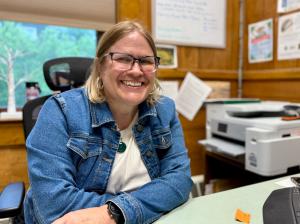
KRISTEN LEAHY: I’ve been here for 10 years and having him as the lead in the town was a shift in approach. In the past, everything was fixed. There was never any request for assistance from the outside world. He really encouraged people to report their losses, to do the correct permits, and went from door to door.
In the past, someone would get water in their basement and would just change their their furnace and not say anything. It was, it was, like, sweep it under the rug.
And to have a town manager who had grown up here know what … how many times something had happened. Like, one of the houses we removed had been impacted over eight times over the years, and they just would rebuild it and put it back in the same place.
[29:05]
TONY PIPA: Many families had traditionally been reluctant and skeptical that the government would help them move to higher ground. Trust was key to getting their buy-in.
[29:15]
DAVID UPSON: There’s no secrets, and I think some of the folks that think there are secrets and think we’re trying to do something under the veil of government, you just bring them in and show them what’s really going on.
[29:31]
TONY PIPA: Kristen, who is also the town’s resiliency and adaptation coordinator, said nearly every one of the 175 houses in the floodplain was impacted on some level.
[29:42]
KRISTEN LEAHY: I encouraged the select board to open up a, the buyout system, allow people to do, federal or state buyouts. And 10 people stepped forward and said that they wanted to do the buyout, which is a really large change for a town like this, where people tend to see resilience as rebuilding, redoing, doing the same thing, this again and again.
And to have someone voluntarily ask to have their house purchased, it’s a huge, huge shift in thinking.
[30:18]
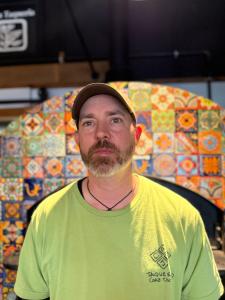
BRYAN PALILONIS: Brian Pelilonis was one of those Hardwick residents who took a buyout. The flood was tough on Brian in more ways than one. He’d spent years developing the vision for a taqueria in Hardwick, leaving his food truck behind for a brick-and-mortar space five minutes from his house.
So, tacos are our main focus, like street tacos. We travel to Mexico a lot to get the the mothership, you know, of the the flavors and the the uniqueness of of how they cook and how how they how they’ve evolved the masa, which is the corn, which is their flagship of of life.
[30:57]
TONY PIPA: Caja Madera opened in April 2023, two months before the flood.
[31:04]
BRYAN PALILONIS: We had just opened, and we were having, like, really amazing sales in the month of May and June. So luckily, we only had about six inches in here, so I didn’t lose any equipment or any refrigeration. But we lost a ton of momentum.
[31:19]
TONY PIPA: What, what did you do? Like, what—
[31:21]
BRYAN PALILONIS: Drank a lot of beer. Pretty much. I mean, ‘cause what do you do, you know? You, you have to keep going. And, like, without my… If my mom and dad weren’t here, I don’t know what I would’ve done. Like, they… we were up the next day. We got a pressure washer. We stripped the floor. We had to, like, went to a Home Depot, bought new flooring, got it in, and so it was pretty tough.
But we just had to keep going. I mean, we had events scheduled and guaranteed contracts with people and, you know, and and deposits. And so, we did all the events. We we we somehow, you know, got food and and prepped and cooked.
And, you know, we closed for a week, the taqueria. That was it.
[32:09]
TONY PIPA: At home, Brian wasn’t so lucky. He’d put a decade of work into a rundown house he’d found on Craigslist and bought for $13,000. The flooding left him and his family temporarily homeless.
[32:23]
BRYAN PALILONIS: It turned the brook into a, a river, and it flooded just right into the house. And there was, you know, like, a lot of people in town, like three feet of water, and it, like, just brought silt and mud and stones and, trees, and it, you know, so it broke the floor joists.
And it just… in my eyes, it didn’t seem like it would be worth fixing. And and… ‘cause of the the possibility of it happening again, like like it did a year later, the same date.
Definitely not for the faint of heart.
[33:02]
TONY PIPA: Repairs across Hardwick are still very much ongoing. Engineering projects, bridge designs, plans to stabilize places where the road broke away, and culvert replacement and upsizing. It’s a lot. Here’s Opie again.
[33:20]
DAVID UPSON: Like there’s the work on the ground, but then there’s the procurement of all that and the organization of it and, like, sequencing of it.
[music]
Like this project across the road, the river washed out a lower retaining wall and exposed the base of the retaining wall holding up Main Street. We were doing a pedestrian bridge project in the same spot. So, we had engineers procured. We were able to use them to kind of like redesign their project but also look at the wall and kind of redesign what needed to happen there.
But in other places in town, we have six bridges that were washed out, and so we were having to procure engineers to do design on those structures, to upsize them, to make them more resilient.
We have a rockstar team, and and some days I’m wondering how we’re doing it, and some days I think we’re not doing it. Some days for me it’s really overwhelming, and I don’t know if I can do it.
[34:30]
TONY PIPA: Another thing weighing on Opie is the buyout program. Eventually 19 people took advantage of it. Ten in 2023 and nine in 2024 according to Kristen. Nearly 20 properties in a town the size of Hardwick is significant, even if they’re not safe places to live.
[34:49]
DAVID UPSON: We have these, these housing goals that the State of Vermont has set, and we’re we’re removing housing. So, and and, like, the housing that we’re removing is not safe housing. So, like, we currently don’t have any public housing projects going on here. We can’t keep taking properties off the grand list, ‘cause affordability is is definitely being called into question here in Vermont.
[35:18]
ASHTON ALLEN: I would say the community’s handled it pretty well. At, at some level, as a town your hands are tied to what you’re able to do regulatory-wise. I mean, we have Jackson Dam right downtown.
TONY PIPA: That’s Ashton Allen again.
ASHTON ALLEN: You know, for years everyone’s been saying, well, let’s dredge this out. Let’s get some more capacity so we can regulate the the height of the river better and save ourself from future floods. But, you know, the State of Vermont doesn’t allow that. It it’s hard to maintain a good morale around rising waters when you feel like you have no control.
But you know, we we keep a good spirit and we we try to help each other. And, you know, the town, it’s changed. There’s a lot of houses that aren’t here anymore because they’ve been bought up by FEMA. So, the landscape looks different. The the face of Hardwick is different than it was three years ago.
[36:14]
TONY PIPA: A few months before the floods, Ashton was head cook for the Civic Standard’s Dinner Theater Mystery held at the Legion Event Hall. It was called “Developed to Death.”
[36:25]
ROSE FRIEDMAN: And it was, like, it took place in a zoning meeting, and then the guy who was proposing the development was the murder victim. And so, then everybody in the audience became a a suspect because he was so obnoxious in his PowerPoint that it’s, like, who wouldn’t want this guy to drop dead? And everyone thought Opie did it actually, ‘cause he was in the show, and when the audience had to try and figure out who did it, people were like, “Opie,” ‘cause he never would’ve let this happen in our town. It was so sweet, but it wasn’t Opie.
[36:53]
TONY PIPA: A town manager wears a lot of hats, but this was a new one for Opie.
[36:58]
THEATER PERFORMANCE: “So pre-show arguments, and then Opie gets up, gets everybody’s attention. Okay. Mm-hmm. Thanks for coming out tonight, everybody. As you all know, Glen is here from AmeriBusiness … DeveloQuest. Yeah. With, with hi- with this proposal for the town … It’s kind of a big project, big changes for the town. This thing is moving pretty fast.
Thanks to some help from some members of the Select board and the DRB, this thing has been fast-tracked, and where it stands today is that the Act 250 permitting is all in.
At the state level, the whole thing is approved, and all that’s left to get is local approval, which is what we’re here to do tonight at this zoning meeting.”
[37:41]
DAVID UPSON: I’m playing the town manager in the play. I didn’t know I was in the play. I wasn’t asked to be in the play, until I was told I was in the play. It’s part of my duties as the town manager.
[37:56]
TONY PIPA: The show was staged twice. The second time around, Ashton left the kitchen and made an appearance.
[38:06]
THEATER PERFORMANCE: “Any divorce lawyers around here? We could use one.”
TONY PIPA: And the theme expanded to include a subject that was on everyone’s mind.
[38:15]
ROSE FRIEDMAN: So, after the flood happened, we did that show again, but we made it like he was sort of a, he was like a a disaster chaser. You know, he was doing it because the town was more vulnerable. I’ve got a plan for you, and his plan was just pave over the whole river.
[38:32]
ASHTON ALLEN: It was a concept of a revamping of Hardwick. And and there were two options. You know, you could, you could keep the “hard” in Hardwick, where it seemed like everything’s a struggle because it’s a small town and it’s not so technologically advanced and, you know, old buildings and farms, or we could turn it into Softwick Falls because it doesn’t have to be so hard.
[music]
People bought tickets to come to this performance, and you could see, I, I kept peering out from the kitchen to see people’s reaction to all these concepts. And and it was at that moment, you know, that, that period of time that I’m watching their faces that I I started to get what Rose and Tara were up to.
And I said, They’re they’re trapping people in here to watch this, to make them really think about where they live and and what it means to them. And it also helped them further their mission because once they saw how people felt about their town, they knew knew how better to communicate with us. And that was, it’s pretty remarkable
[39:44]
TONY PIPA: The Civic has a long list of events coming up this fall: auditions for “A Christmas Carol,” a craft circle, a drop-in support group for parents of young kids, a writer’s group. Rose has been thinking lately about their old building, the one they had to evacuate the night of the flood. It’s the oldest building on Main Street, built in the 1860s.
[40:10]
ROSE FRIEDMAN: You know, there was a whole lineup of buildings at some point that more or less mirrored this side of Main Street. And so, one by one, they’ve been taken out by by fire or just deconstruction because they weren’t safe anymore. And so, when that’s gone, it’s gonna kind of open up that whole side in a way that’s gonna change the view and change the landscape, and I think, you know, landscape is culture in a lot of ways. And when we don’t see our old buildings, we have a different relationship to history.
There’s a board of our organization that is making the decision, but certainly as the face of the organization, I gotta stand by that decision and and say that it’s it’s the right one for a lot of different reasons, even though there’s part of it that it’s not, does not feel right.
[41:03]
TONY PIPA: It’s a heavy thought. Property owners considering what impact their building in a flood zone could have on a town at some undetermined point in the future. The Civic Standard’s old building was damaged but not destroyed.
[41:21]
ROSE FRIEDMAN: That building, it wasn’t filled with water and destroyed from the inside out. It’s still standing. It’s still technically safe. We’re allowed into it. It needs a new foundation. That’s very expensive. It needs a new roof. It needs, you know, new a paint job, many other things. But, you know, you could, you could do a lot of that work and, and make it stand again and make it pretty again.
The bigger issue is that it is the one and only building in the town of Hardwick that is in the designated floodway, and that designation is really significant. And it’s a hard one to grasp because it, because it hasn’t been badly flooded, though it’s been flood damaged. But, you know, it kinda sticks out into the river, and therefore where it is in relation to the flow of the river is quite dangerous, and not just for it, but for everything downstream of it.
And that, to me, is a fascinating and complex thing to grapple with in terms of responsibility as the owners of the building, which is that not just will our building be flooded in the next major weather event, but will some part of our building go down the river and clog up the bridge and therefore badly damage other parts of the community?
The biggest takeaway from all, from all of that work in both years of flooding and continuing work has been how we interact with our official government systems and and the town government, because we are not officially affiliated, but there is a mutual… There’s a conversation taking place.
We are open. Like, we’re open to it, and I give Opie a huge amount of credit for being willing to sometimes just try anything to make something work better, and I think that that’s what he’s done with us. Well, you guys have a means of communication and a really good following and mailing list. Let’s see if you can help us get the word out on this, rather than saying like, no, you’re not a government agency, so we can’t work with you.
And I think that’s where real change comes from is is trying that stuff and not s- not always following the rules exactly.
[43:38]
TONY PIPA: Dealing with and overcoming the trauma associated with loss is a challenge that faces many rural communities. Natural disaster, economic changes, and even environmental damages or changes to the physical landscape can all be causes.
And as I learned during my visit, Hardwick’s story shows such loss is felt very directly at the community level in a rural place. It becomes almost existential. Adapting and moving forward is not just an economic challenge. It has very real human dimensions. The Civic Standard’s focus on relationships, civic spirit, and culture, and even Opie’s approach as town manager show how important the elements of trust and time and mutual assistance are for Hardwick to chart its path to a successful future out of what happened.
And their experience shows that federal policy can do a much better job of accounting for, complementing, and providing effective support given those realities.
[music]
Thanks for listening. Many thanks to the team who makes this podcast possible, including Ike Blake, supervising producer; Fred Dews, senior producer; Molly Born, producer and audio mixer; Daniel Morales and Teddy Wansink, video managers; Chris Chang, audio and video editor; Elyse Painter, senior project coordinator in the Center for Sustainable Development at Brookings; Adam Aley, also in the Center for Sustainable Development, who provides research support; and Junjie Ren, senior communications manager in the Global Economy and Development program at Brookings.
Thank you to Rose Friedman, Opie Upson, Ashton Allen, Reeve Basom, Senator Peter Welch, Kristen Leahy, Linda Fox, and Bryan Palilonis for talking with us for this story.
Special thanks to Points North and Vermont Public for that great clip of Linda Fox from 1995. And thank you to Erika Heilman, who let us use sound from her Peabody Award-winning radio show, “Rumble Strip.” Check her out if you can.
My sincere thanks to our great promotions team in the Brookings Office of Communications and Global Economy and Development. Katie Marris designed the beautiful logo.
Finally, support for this podcast is provided by the Ascendium Education Group. The conclusions and recommendations of any Brookings publication or podcast are solely those of its authors and speakers, and do not reflect the views or policies of the institution, its management, its other scholars, or its funders.
Brookings recognizes that the value it provides is in its absolute commitment to quality, independence, and impact. Activities supported by its donors reflect this commitment. You can find episodes of Reimagine Rural wherever you like to get podcasts and learn more about the show on our website at Brookings dot edu slash Reimagine Rural.
If you like the show, please consider giving it a five-star rating on the platform where you listen. I’m Tony Pipa, and this is Reimagine Rural.
Participant
HOST
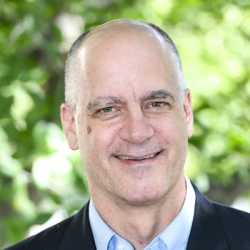
More information:
- Listen to Reimagine Rural on Apple, Spotify, or wherever you like to get podcasts.
- Learn about other Brookings podcasts from the Brookings Podcast Network.
- Sign up for the podcasts newsletter for occasional updates on featured episodes and new shows.
- Send feedback email to [email protected].
- Find out more about the Brookings-AEI Commission on U.S. Rural Prosperity.
- Discover more research on Reimagining Rural Policy.
The Brookings Institution is committed to quality, independence, and impact.
We are supported by a diverse array of funders. In line with our values and policies, each Brookings publication represents the sole views of its author(s).
Commentary
PodcastIn Hardwick, Vermont, art, dinner, and disaster response all share the same table
Listen on
Reimagine Rural
October 28, 2026