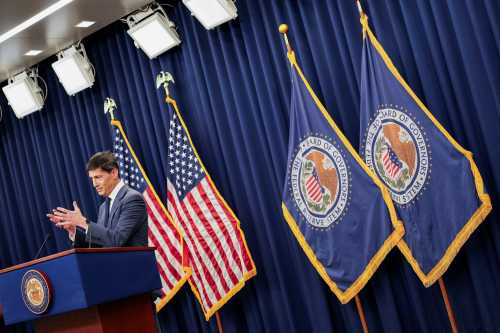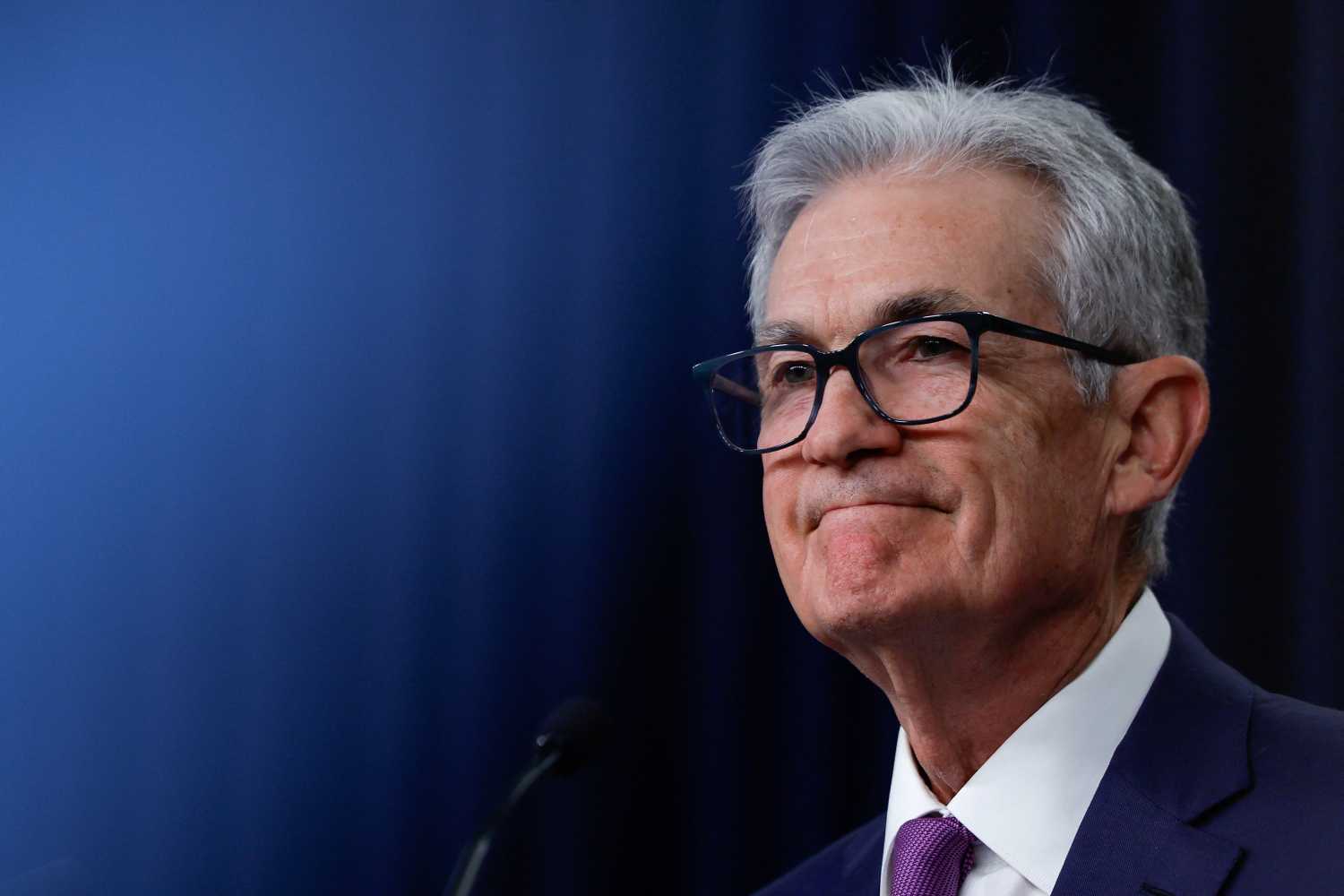
This paper was presented at a Hutchins Center event on June 2, 2026.
Jerome Powell’s tenure as Federal Reserve chair was unquestionably eventful. Between February 2018 and May 2026, Powell faced a worldwide pandemic with government-mandated lockdowns and extreme unemployment, the highest inflation since the 1970s, and unprecedented threats to Fed independence. To economists Christina and David Romer, Powell is a hero. They say he faced enormous challenges with skill, integrity, and quiet determination. The continuing soundness of the U.S. economy, stability of our financial markets, and respect for the Federal Reserve are due in no small part to his effective leadership. But, they add, that gratitude does not mean that scholars should not evaluate policy in the Powell era with rigor and dispassion.
In that spirit, their paper takes an early, critical look at the monetary policy record during Powell’s chairmanship. They focus on six episodes: (1) the interest rate and balance sheet normalization in 2018 and early 2019; (2) the reversal of both these policies in mid- and late-2019; (3) the aggressive expansionary response to the COVID-19 pandemic in 2020 and early 2021; (4) continued loose policy in 2021 as inflation surged; (5) the rapid tightening in 2022 and 2023 to fight inflation; and (6) the interest rate cuts starting in mid-2024 and severe threats to Fed independence. For each episode they examine the policy context, the nature of policy, and the key policy actions.
The Romer draw six lessons from that review:
Lesson 1: Monetary policymakers need to have a realistic model of how the economy operates and what monetary policy can accomplish.
Lesson 2: The Federal Reserve should move quickly and aggressively when conditions warrant.
Lesson 3: Inflation is harmful even if inflation expectations do not become unanchored.
Lesson 4: Forward guidance should be carefully crafted, and the bar for using it should be high.
Lesson 5: The Federal Reserve balance sheet should remain large.
Lesson 6: Federal Reserve independence is vital but tenuous.
Authors


Related Content
2026
2022
2020
The Brookings Institution is committed to quality, independence, and impact.
We are supported by a diverse array of funders. In line with our values and policies, each Brookings publication represents the sole views of its author(s).