Commission begins nationwide rural listening tour
America’s Rural Future: Brookings–AEI Commission on U.S. Rural Prosperity held its first in a series of Field Hearings in North Dakota and Minnesota as part of a two-year, bipartisan effort to develop policy recommendations for strengthening rural communities nationwide. Over three days, a group of Commission members met with local leaders, residents, business owners, and officials. They examined how technology, infrastructure, and capital can anchor rural prosperity for future generations.
Led onsite by Commission Co-Chair Heidi Heitkamp, former senator of North Dakota, these public sessions emphasized listening and evidence-driven inquiry. Commission members also engaged with farmers, tribal leaders, educators, and civic stakeholders to better understand how rural economies are adapting to demographic change, technological disruption, and evolving economic realities. Insights from North Dakota and Minnesota will inform the next set of hearings across other U.S. regions as the Commission builds toward a comprehensive national rural strategy in 2027.
Senior Fellows Tony Pipa (Brookings, Center for Sustainable Development) and Brent Orrell (AEI) are facilitating the Commission’s work and research.
Hear Commission member Tom Halverson’s insights
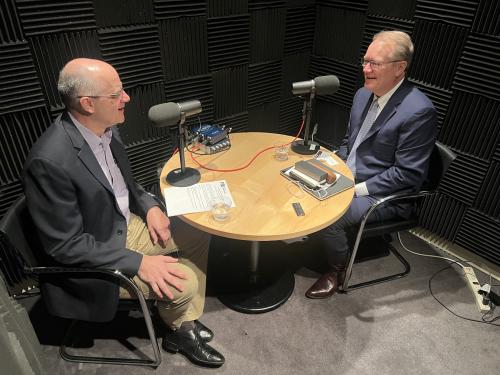
Field hearings showcase local leadership and community priorities
The Commission hosted four public hearings—two at Grand Farm Innovation Campus in Casselton, North Dakota, and two on the White Earth Reservation in Minnesota. Below are the session links and brief summaries for each of the four Field Hearings.
Connectivity as critical infrastructure
On October 22, the Commission held its first public hearing, hosted at the Grand Farm Innovation Campus. Expert panelists Todd Domres (Dakota Carrier Network), Mac McLennan (Minnkota Power Cooperative), and Bob Henderson (Cass County Government) examined how North Dakota’s cooperative broadband model has enabled near-universal rural fiber access, and how communities are now shifting to focus on digital adoption and affordability, and future-proofing their networks. The discussion explored the long-term investments and federal-state coordination that have made North Dakota a national leader in rural broadband, and highlighted new infrastructure pressures, including data centers, AI-related energy demand, and the importance of regional planning.
Investing in capacity for future prosperity
The second public hearing at the Grand Farm explored how financial, administrative, and institutional capacity shape long-term prosperity in rural places. Panelists Jared Hagert (North Dakota State Representative), Lorraine Davis (Native American Development Center), and Megan Langley (Strengthen ND) highlighted a mix of opportunities and constraints. They also underscored that building the administrative, leadership, and collaborative capacity at the local level is indispensable to translating available resources into lasting, community-led outcomes.
On October 23, the Commission visited White Earth Nation in Minnesota, where conversations centered on sovereignty, community wellbeing, and the structural realities shaping tribal and rural development.
What does the future look like on White Earth Nation?
Expert witnesses included Nate Mathews (Tribal Utility Commission), Bridget Guiza (White Earth Tribal and Community College), and Mary Metelak (B&T Meats). The speakers described how Tribal governance; long-standing issues with land tenure; the jurisdictional complexity with state and federal governments; and capacity constraints shape the investment environment. They emphasized that economic development in the region requires strategies grounded in local agency—and that effective policy must integrate cultural wellbeing, education, local business ecosystems, and place-based capital.
What does the future look like in rural Minnesota?
The second public hearing hosted on White Earth Nation focused on partnerships, innovation, and regional collaboration as drivers of rural prosperity in Minnesota. Panelists Benya Kraus (Southern Minnesota Initiative Foundation), Mike Reese (University of Minnesota West Central Research and Outreach Center, Morris), and Ben Schierer (Former Mayor, Fergus Falls) stressed the importance of civic belonging, narrative change, and inclusive leadership as key ingredients for navigating demographic, economic, and environmental transitions in rural Minnesota.
Media highlights Commission’s regional engagement and policy resonance
The Commission’s visit generated substantial media attention across North Dakota and Minnesota, underscoring both the importance of its inaugural Field Hearings and the region’s broad interest in advancing rural policy solutions. Notable media mentions include:
- AM1100 The Flag, October 20, 2025.
“The Trump Debate, Rural Futures, and Gridiron Gauntlets,” featuring a segment with Co-Chair Chris Sununu. - Minnesota Star Tribune, October 22, 2025.
John Strand, “Brown: As rural challenges grow old, new efforts are needed” - KFGO 790 AM (Fargo–Moorhead), News & Views, October 22, 2025.
“Senator Heidi Heitkamp Speaks to Government Shutdown, Soybeans, and Upcoming Panel Sessions,” interview with host Joel Heitkamp. - North Dakota Monitor, October 23, 2025.
Jeff Beach, “Heitkamp part of bipartisan effort to improve quality of life in rural America.” - The Forum of Fargo-Moorhead, October 23, 2025.
Dave Olson and Kjersti Mayday, “Wheatland event explores issues affecting rural America.” - Red River Farm Network, October 24, 2025.
“Rural Prosperity Tour Begins in ND, MN,” featuring an interview with Heidi Heitkamp.
Field visit highlights
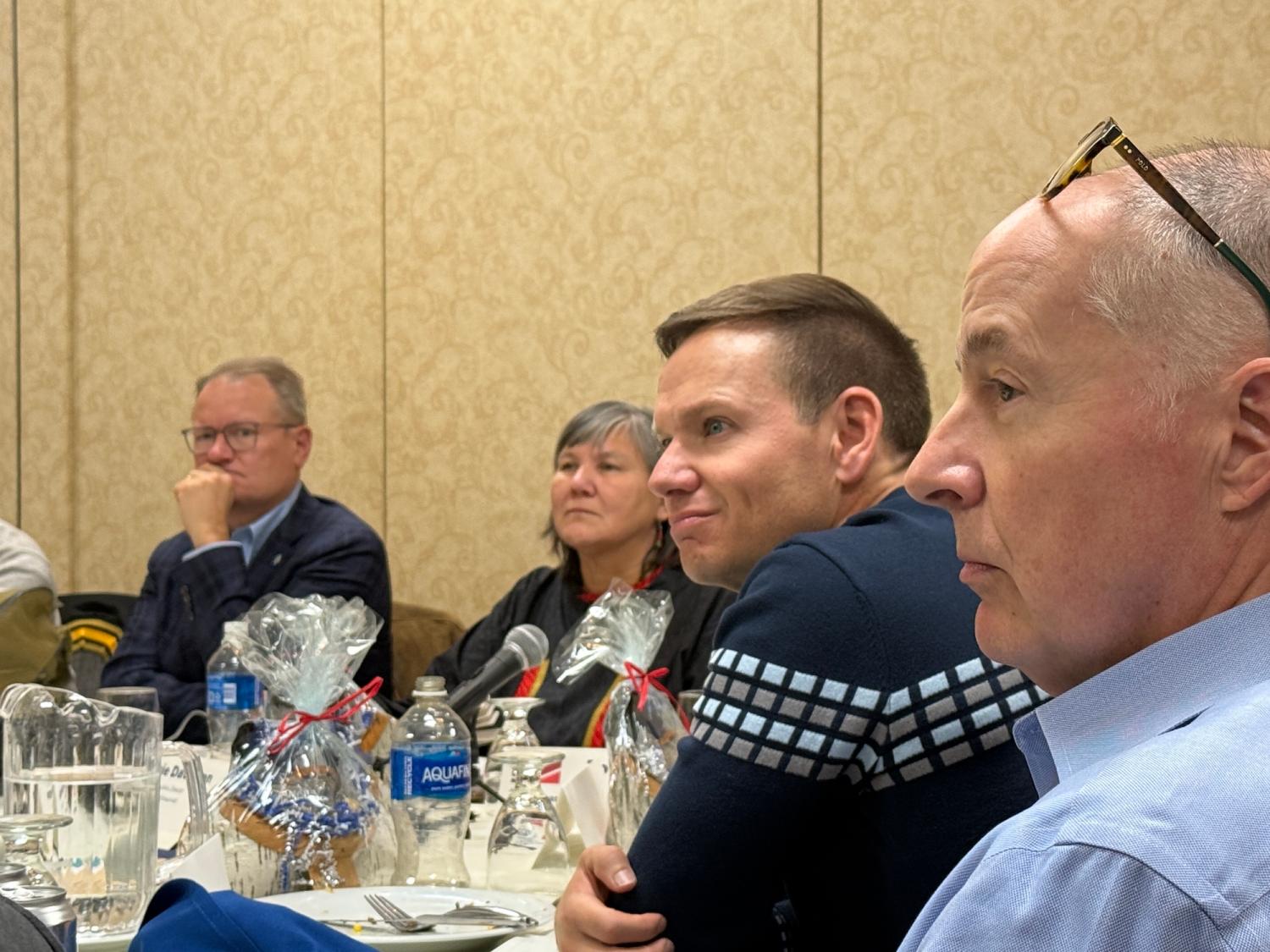
Left to right: Tom Halverson, Valerie Nurr’araaluk Davidson, Trent McKnight, and Keith Humphreys during discussions at White Earth Nation.
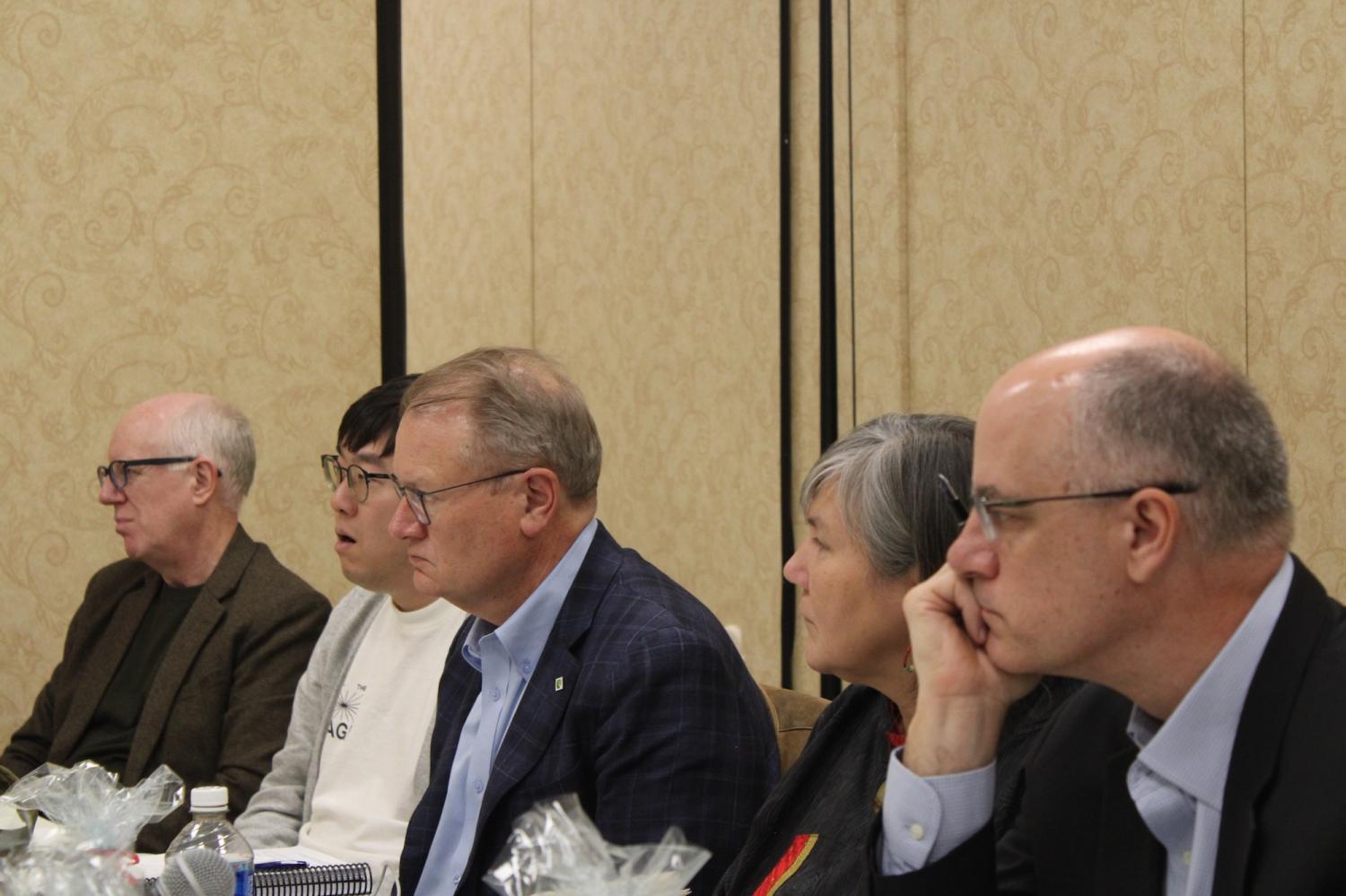
Commission members and scholars listen intently as local leaders at White Earth Nation discuss rural capacity and innovation. Left to right: Brent Orrell, Phil Chow, Tom Halverson, Valerie Nurr’araaluk Davidson, and Tony Pipa.
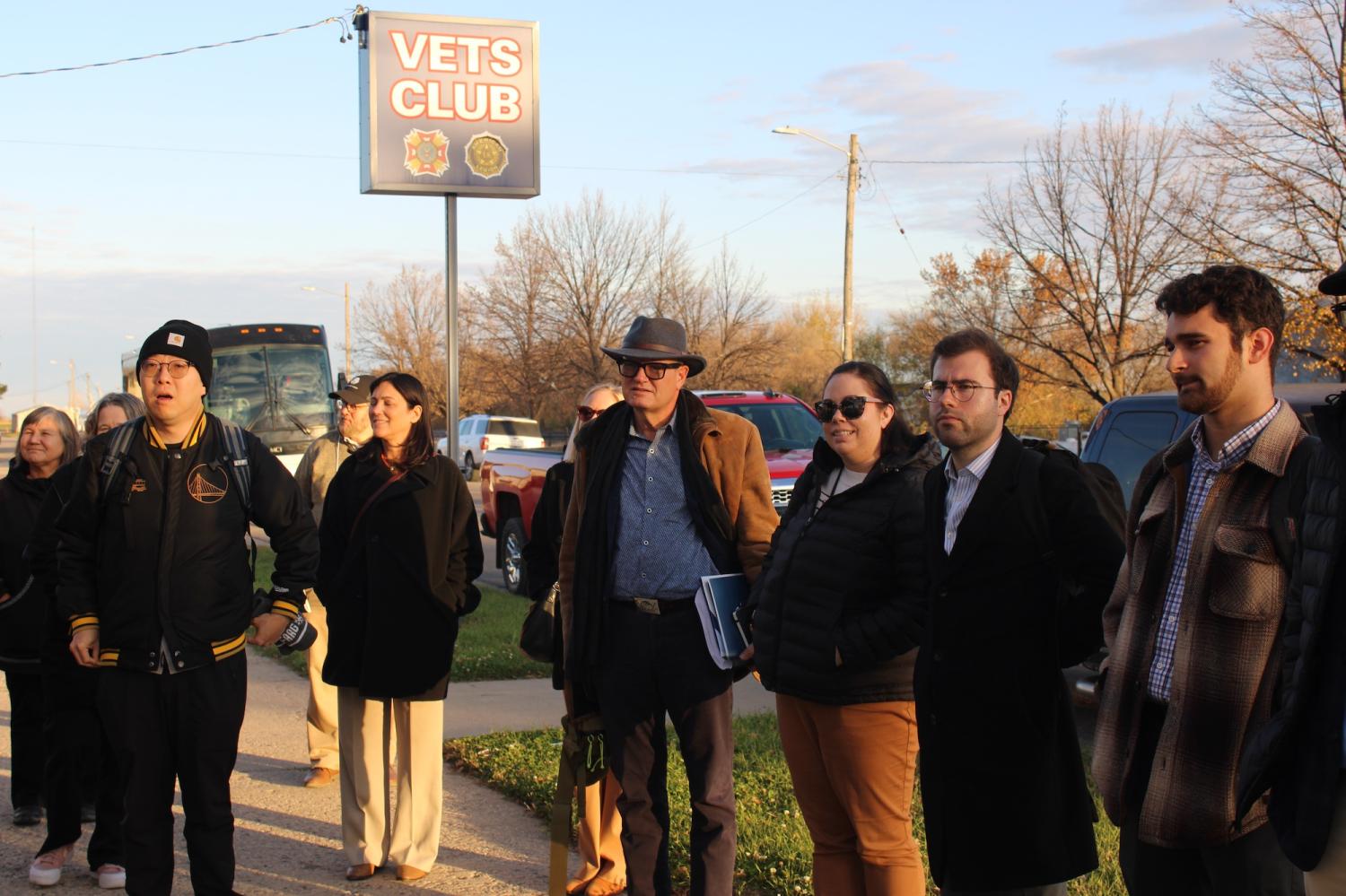
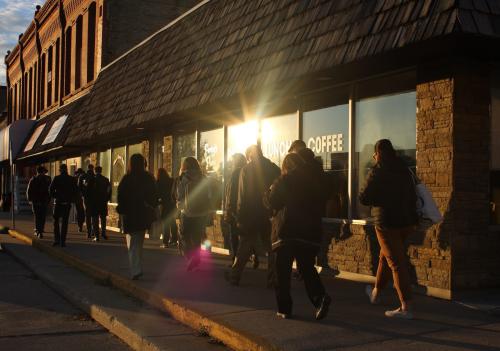
Commission members, including Valerie Nurr’araaluk Davidson, Phil Chow, Noa Meyer, and Tom Halverson, during a downtown walking tour in Casselton, North Dakota.
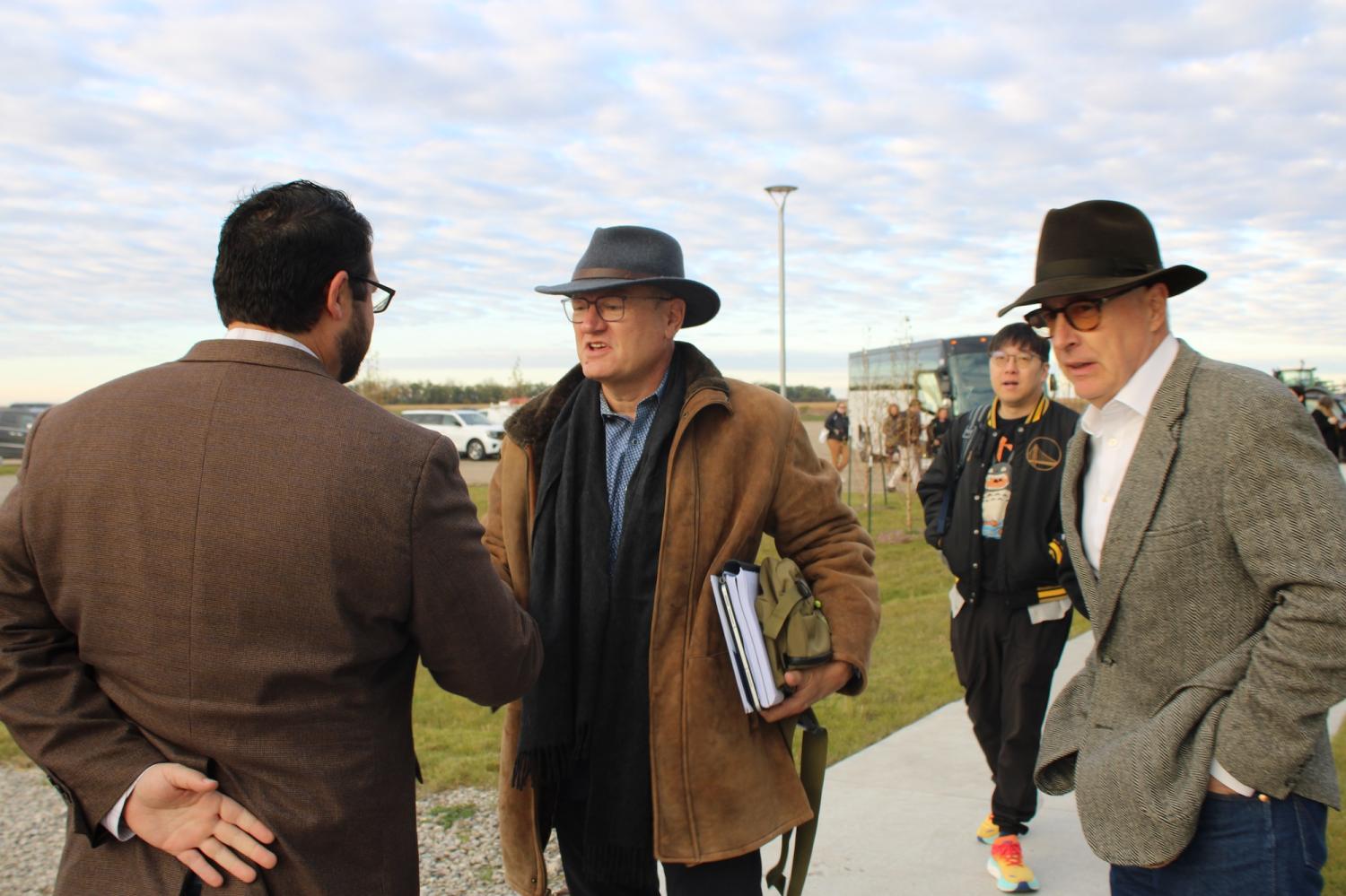
Commission members greeted upon arriving at the Grand Farm Innovation Campus. Left to right: William Aderholdt, Tom Halverson, Phil Chow, and Keith Humphreys.
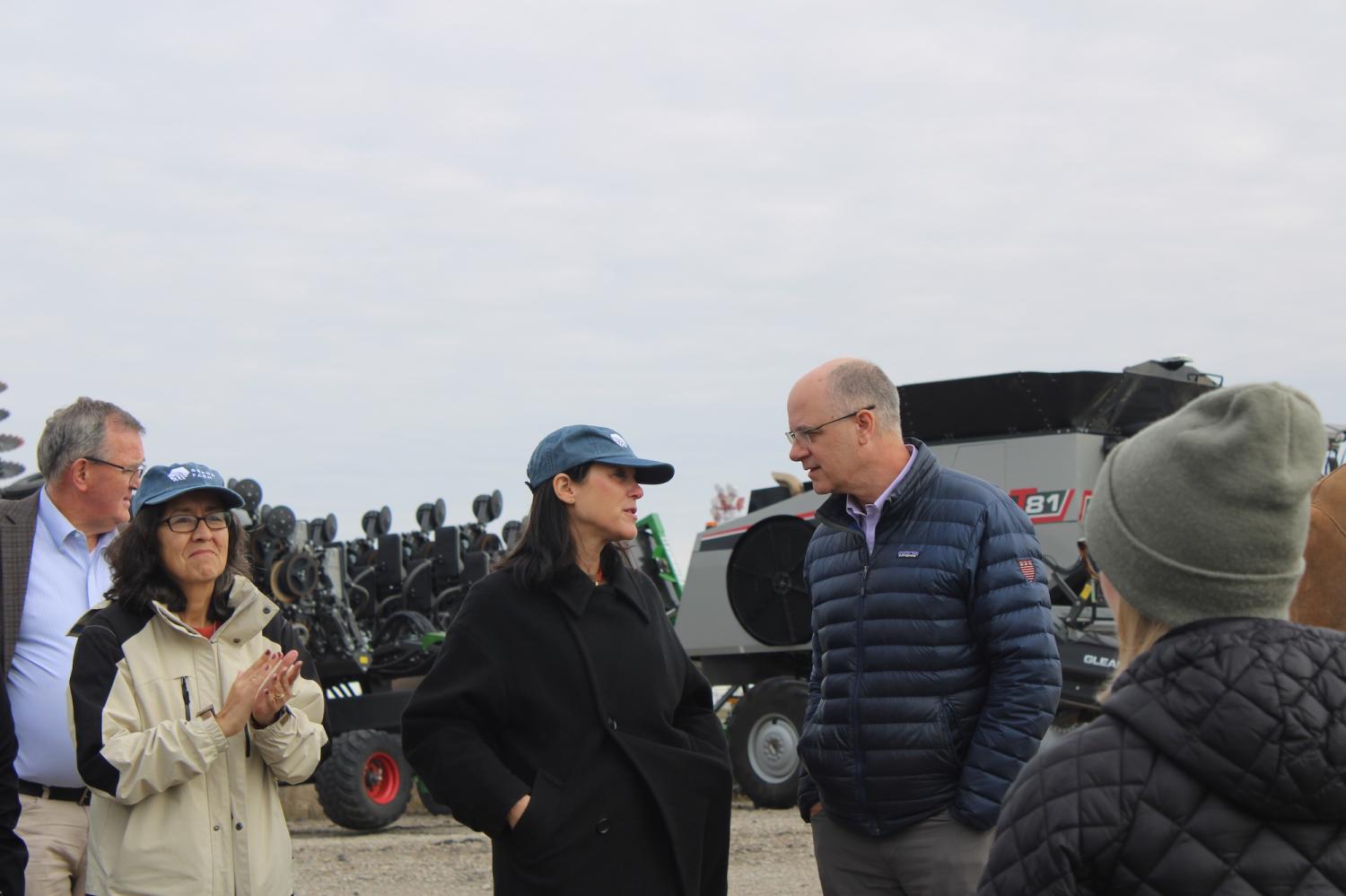
Commission members Janti Soeripto and Noa Meyer, along with Senior Fellow Tony Pipa, during a demonstration at Grand Farm.
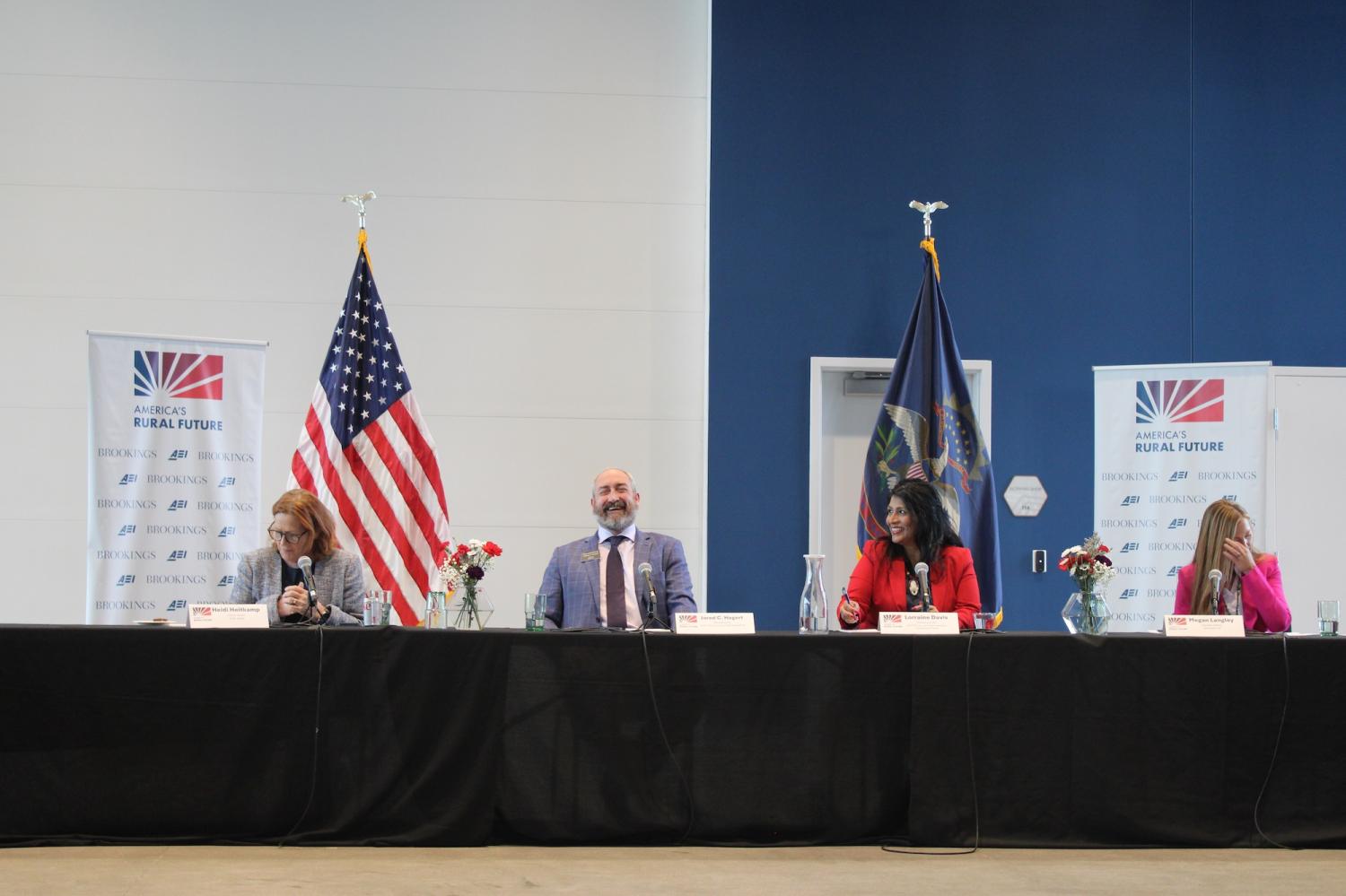
Co-Chair Heidi Heitkamp with expert panelists Jared Hagert, Lorraine Davis, and Megan Langley during a session highlighting how capacity shapes long-term prosperity in rural places.
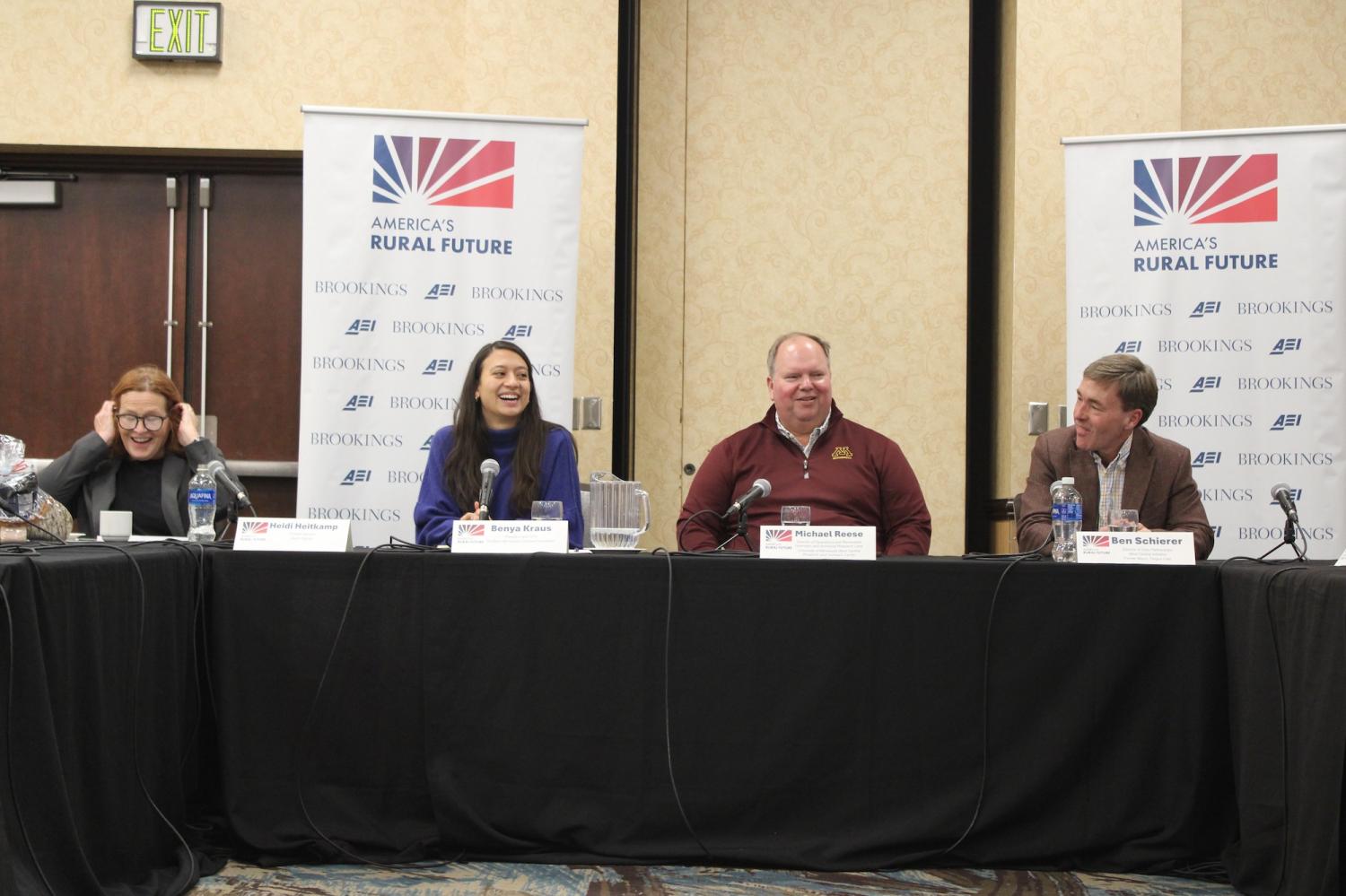
Co-Chair Heidi Heitkamp with Benya Kraus, Mike Reese, and Ben Schierer at a public hearing on White Earth Nation focused on civic belonging, narrative change, and inclusive leadership.
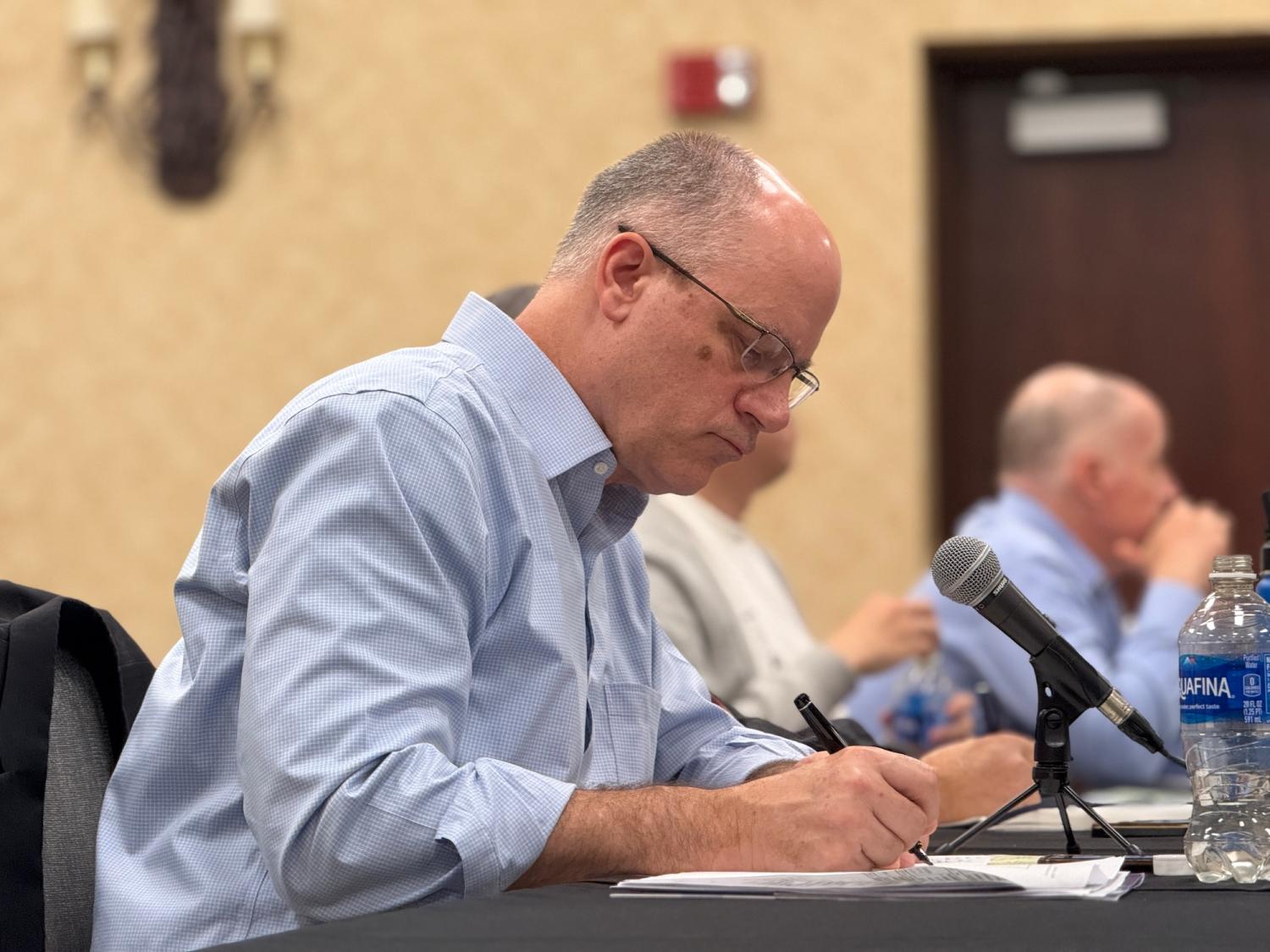
Senior Fellow Tony Pipa taking notes during a public hearing.
More from America's Rural Future
Author

-
Acknowledgements and disclosures
The Brookings Institution is a nonprofit organization devoted to independent research and policy solutions. Its mission is to conduct high-quality, independent research and based on that research, to provide innovative, practical recommendations for policymakers and the public.
The Brookings-AEI Commission on U.S. Rural Prosperity and associated work is supported by the Robert Wood Johnson Foundation, Ascendium Education Group, CoBank, and The SCAN Foundation.
The conclusions and recommendations of the commission are solely those of its members(s), and do not reflect the views or policies of Brookings or AEI, their management teams, other scholars, or the funders acknowledged above.
This summary benefited greatly from the support of the project team. Zoe Swarzenski, Adam Aley, Elyse Painter, Raphael Colard, and Paul Ciaramitaro provided essential planning and coordination for the Field Hearings and site visits in North Dakota and Minnesota. Their work allowed for the smooth facilitation of Commission member engagement, community outreach, note-taking, and local partnership coordination.
The Brookings Institution is committed to quality, independence, and impact.
We are supported by a diverse array of funders. In line with our values and policies, each Brookings publication represents the sole views of its author(s).


Commentary
America’s Rural Future: North Dakota and Minnesota field hearings spotlight rural innovation, connectivity, and capacity as foundations for prosperity
Casselton, North Dakota and White Earth, Minnesota | October 21–23, 2025
December 2, 2025