



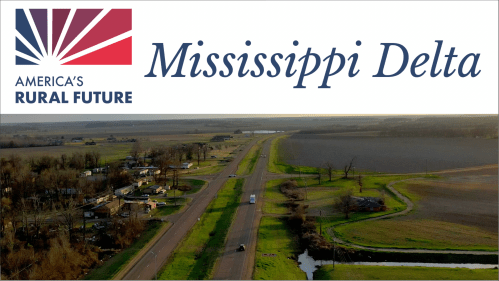
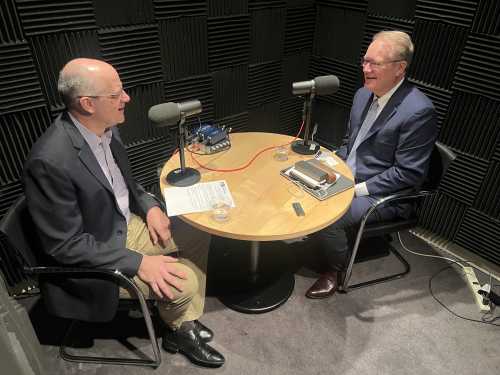
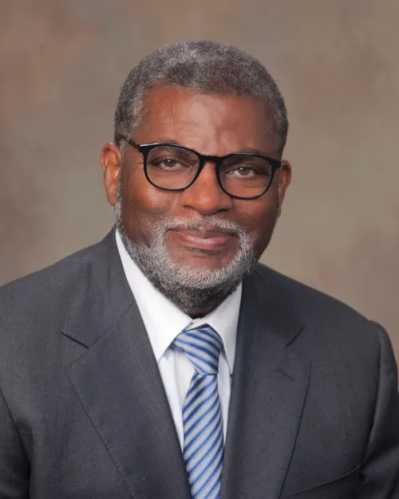
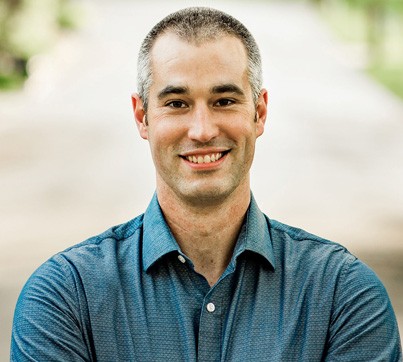
This special edition of Reimagine Rural features Tony Pipa interviewing Bill Bynum, CEO of Hope Enterprise Corporation and Hope Credit Union, and Charlie Cotherman, executive director of the Center for Rural Ministry at Grove City College and pastor at the Oil City Vineyard Church. Both guests are members of America’s Rural Future: The Brookings-AEI Commission on Rural Prosperity. Bynum and Cotherman offer insights from the Commission’s March 2026 visit to the Mississippi Delta and share lessons learned from visits to multiple rural Delta towns.
America's Rural Future Field Hearings
Transcript
[music]
PIPA: Hi everyone. I’m Tony Pipa, senior fellow in the Center for Sustainable Development at the Brookings Institution and your host for the Reimagine Rural podcast. And while the podcast normally documents changes happening in rural towns across America, and we are hard at work on our fourth season, today’s episode is a special edition of the podcast. It’s an interview with two members of America’s Rural Future, the Brookings-AEI Commission on U.S. Rural Prosperity. So just to recall, the commission’s co-chaired by former senator from North Dakota, Heidi Heitkamp, the former governor of New Hampshire, Chris Sununu, and it’s going to produce a national rural strategy by the fall of 2027.
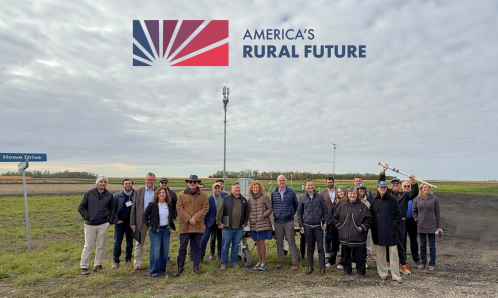
But the Commission’s doing its work by going to rural places across America and experiencing the diversity of those places, hearing from local rural residents and leaders about the things that are affecting their community, about their aspirations for the future, and where federal policy intersects with that.
And in early March, we visited the Mississippi Delta. And today I’m joined by two Commission members to talk about that visit: Bill Bynum, who’s the CEO of Hope Enterprise Corporation and Hope Credit Union, and Charlie Cotherman who’s the executive director of the Center for Rural Ministry at Grove City College and pastor at the Oil City Vineyard Church.
Welcome to you both. Thanks for being here.
COTHERMAN: Yeah, glad to be here.
BYNUM: And thank you.
[1:42]
PIPA: So I want to just start before we jump into, you know, your impressions of the visit and the lessons and insights that you took away, just tell our audience a little bit about yourself and your motivations even for participating as a member of the America’s Rural Future Commission. And Bill, why don’t we start with you?
[2:02]
BYNUM: Thanks Tony. It was an easy call. Brookings and AEI have great reputations in making things happen in Washington. And as someone who has worked in rural communities for oh, I hate admit, four decades or so, you know, I I know how important it is to elevate the voices of rural communities in in Washington and places where decisions are being made that affect the lives of people in these communities.
And that takes partners, that takes allies, and it’s really exciting to be a part of the effort that Brookings and AEI have organized to chart a strategy that puts rural issues of rural people in front of decisionmakers in Washington as we go into the next round of elections. So it it was an easy call.
[2:55]
PIPA: It’s, it is wonderful to have you participating and to have your leadership and your experience with us. And Charlie, what about you? Why when I, you know, reached out with this opportunity, did you say, Hey, this this seems like a good use of my time and something to say yes to?
[3:13]
COTHERMAN: Yeah. Well, I mean, when I thought about it, I realized, like, the work that I’ve been doing with rural pastors and rural churches, one of the things we’ve emphasized at the Center for Rural Ministry for a long time is that it’s not just about flourishing churches, but it’s about flourishing communities. So as I dug into the work you all were doing, I recognized very quickly that this had the potential to do a lot of good around the country.
And so I was thrilled to be a part of it. Thrilled to be a part of it now. And, you know, we gotta think about holistic solutions, which is what I think this Commission’s trying to do.
[3:46]
PIPA: Yeah. Well, it was great to, great to have you join us and great to have you join us in Mississippi.
So let’s turn a little bit to that that visit. And Bill, I’m going to start with you. Now, you’ve been a leader in the Delta for a long time. You were just awarded the 2026 Our Mississippi Lifetime Achievement Award, which recognizes individuals whose leadership has made a lasting impact on Mississippi. Why why was it important for the Commission to visit the Mississippi Delta? Why was it important for us to come to that particular place?
[4:22]
BYNUM: Tony it’s it’s really consistent with how my colleagues and I at Hope have approached our work for 30 plus years. While we know there are incredibly committed, resilient, entrepreneurial people in the Delta, who, despite the region’s longstanding challenges, you know, I think what goes missed is the incredible talent and ability to convert that to solutions. And that goes missed, I think, unfortunately. And I think particularly in places like the Delta, I think the Commission’s work is a great opportunity to elevate the realities and dispel some of the myth, I think, that are often prevalent when people think about the Delta.
Certainly it’s has had its challenges, but, I think not withstanding those challenges, it reflects the strength of communities that have continued to build despite that. You know, certainly the implications of long-term disinvestment are real. And you see that, we all saw that as we rolled through the Delta.
But I think what was even more clear was the innovation and what happens when people work together to push through those challenges and support their families, support local economies.
So I think bringing that to the forefront I think it’s critically important. And I I think the Delta has a lot to contribute to solutions for rural places across the country.
[6:02]
PIPA: You know, Charlie, have you been to the Delta before? Or was that your first time?
[6:06]
COTHERMAN: No, I had only been to Mississippi on the Gulf Coast prior to this, so this was my first trip to the Delta.
[6:11]
PIPA: And, you know, what were a couple of the things that were most compelling to you that you took away from the visit? Especially in light of what Bill was just talking about.
[6:20]
COTHERMAN: Yeah. I mean, the history of the Delta, I mean, you can’t avoid it. It is just something that’s almost tangible. And and, I think, like, that’s one thing that stood out to me is, you know, every rural community has histories and the histories shape the future, they shape right now. And so when I think about agriculture and I think about what agriculture has looked like in the Delta and where the money from that agriculture has gone, or what portion of it has stayed, these kind of things were just very visible in a way that I maybe didn’t expect prior to actually feet on the ground being there.
And and I also thought, you know, the power of local leaders and local vision was really compelling. And and so that was something that stood out to me from the first night with that interview with Secretary Mike Espy. I was just blown away by the leadership that we saw time after time.
[7:15]
PIPA: Yeah. And that that history that you were just talking about, I mean, former Secretary Espy, wow, he just really rolled out that. It, that it was like living history, the stories he told about his grandfather and his father, and then he himself. And the intersection with that history and culture, I just think, was just really evident through our visit.
Let me ask you as well, given the work that you’re doing with faith leaders, we also heard from some faith leaders down there. And what struck you about that conversation and and what it meant also for the communities that we were visiting?
[7:50]
COTHERMAN: You know, that conversation was fascinating for me for all kinds of reasons. Partially because in some ways it was a lot different than the conversations I had because, you know, racial reconciliation was kind of, like, at the forefront because of the history and because of the location in a way that maybe it’s not in some of the communities I’m more familiar with.
However, the other thing that was interesting was, you know, maybe that was a discontinuity, but there was also continuity with almost all the rural pastors that I meet with and talk to. What I find is we might have these national denominations that have different theological stances, different political stances, but in the local community in most cases, these pastors find a way to work together for the good of their community. And I thought that was really on display in that panel. And that that actually was true to my experience in rural communities across the country.
[8:40]
PIPA: It’s great to hear. I mean, it’s it’s good to hear that you have sort of that approach that is happening at the local level with communities.
Now, Bill, what what stood out to you and was there anything surprising to you? I mean, is it still tough to be surprised when we go to places like that, that you serve? But what were some of the things that you would point to as as really important?
[9:04]
BYNUM: You know, I don’t think surprise is really what I would say. But I think inspired, just constantly inspired by the resilience, by the commitment, the talent that comes to the surface when people have the tools, when they have the opportunity. You know, from the conversations with Secretary Espy, clearly he is a living example of what is possible when someone from the Delta, when there’s a crack in the door, he took it all the way to the top of government, both in Congress and the executive branches.
And I think the people in Yazoo City, from the homeowner who was so clear about the importance of becoming a homeowner and what that meant for her family and future generations, to the nonprofit that Hope partners with to make it possible for renters to become homeowners and start to build equity, and how committed that and innovative that nonprofit leader was in fashioning a solution that allows those residents to convert what was a rental situation to where, overnight, when they closed the loan, they now have net worth. And that will build and be able to be transferred to future generations, you know. And that was replicated over and over.
I was inspired by the students at Mississippi Valley State, and their willingness to stand up and be very clear about what is needed for them to realize their potential and for their families and that community to thrive.
The the partnerships with the Delta Health Alliance, where we saw how they are providing critical access to healthcare to people in the region and are able to leverage, you know, federal resources and import, you know, I think it was the largest USDA rural grant, development grant in the country to expand access to healthcare.
And and the Mississippi Marathon is — they like to describe it — that has really done transformational work to increase education outcomes, improve education outcomes in the state.
None of those happen in a vacuum. I think both inspired by the innovative leadership and the collaboration across sector and across race.
Charlie talked about the pastors who came together. Their their focus is racial reconciliation. And I think that’s another critically important aspect of rural life, of rural communities here in the Delta that is could be different from Minnesota, North Dakota, and other, and Appalachia, and other places that we have visited and will visit. While the core challenges — education, housing, healthcare, access to capital — are all similar, race has a tremendously oversized impact and history here in the Delta. And I think it is continually continues to be a critical aspect of reality here. And it’s something that can’t be ignored as we chart solutions.
[12:15]
PIPA: Yeah, and I was struck even as you were talking, Bill, and and recounting some of those experiences, I was struck by how those experiences and the the creativity and actually the success that’s happening in those particular domains really challenges the perceptions that people might have from outside the area, both about the Delta, but also just about what’s happening in rural communities writ large. Right? There is real progress happening as local leaders come together, Charlie mentioned before, to make things happen. And I think we saw that in spades and that that was what was very inspiring, I think, about the visit itself.
Charlie, what would you point to, what was some stories that you would pull out from the experience?
[13:01]
COTHERMAN: Yeah, there are so many, but I was thinking about two that really stand out to me. The second day of our trip, we started at the Leland Medical Clinic. And, you know, just hearing from Dr. Weber and hearing from Karen Matthews about, like, how hard it was to get a doctor there. Right? That was something that resonated with my experience in a rural community. They have a great facility, they have a great thing going, and they still couldn’t get a doctor for, like, three-and-a-half years. So, for me, that was just a telling aspect of rural healthcare.
In addition to the fact that then also transportation, you know, I didn’t realize it was the kind of issue it was. That just getting people to healthcare was such a challenge. And so those, that stood out to me.
But then, you know, we we went from there to Quitman County schools. And I mean, our hearts were warm by the children completely, I think that was universal across the team. And it was just such an energy filled place. But what I loved about it was you got to see how this Mississippi Miracle or Mississippi Marathon actually works its way into, like, how it becomes not just an idea, but reality. Because on the wall, I mean, they had their reading scores. It was like, you know, the same way you’d have your, like, track athlete’s score for the the record holder, you had the reading scores of the kids. And, like, if you want to motivate people, like, let’s get it out in the open and let’s say we’re going to reach this goal. And I love that intentionality.
[14:30]
PIPA: So, you know, both of you, what did the visit leave you with about the future of rural America and that what we as a Commission, you know, need to continue to be focusing on and being attentive to? Charlie, I’ll let you go first.
[14:46]
COTHERMAN: Yeah. I think I came away from the trip, first of all, just with a sense of gratitude for being able to see another corner of the U.S., because if you’ve seen one rural community, you’ve seen one rural community. Right? The more you see, the more you understand.
But then a major takeaway was this idea of local leadership and building, kind of, people that local folks trust. Whether it’s federal policy or whether it’s just local school registration, finding people in the community that people trust, that’s how you start. Right? And so for instance, the schools couldn’t get the students registered by the start of the school year, and so they went to local churches and they registered in local churches and suddenly all the students were registered on time, because the local churches were trusted. So for me, that was one major takeaway.
The other thing I think that stood out to me was just the work and time and intentionality that change takes. You know, there were so many times that we heard about these changes. I mean, the Mississippi Marathon, like, years of work, you know, and money and intentionality.
And so when I’m thinking about, you know, whether it’s change in my local rural community or whether it’s this policy that we’re trying to suggest, we have to think about what’s our long-term commitment and our investment and how do we be intentional about it.
[16:02]
PIPA: Bill, what would you say and and how would you react even what Charlie’s put on the table?
[16:06]
BYNUM: I think it is really great that we saw examples of success and what is possible when the resources align with the opportunity. But it’s also, I think, true that we saw that access to opportunity is uneven; capital is not consistently reaching the communities that need it most. There are, there are disparities in the organizations and then the resources that are available. We visited Mississippi Valley State University, playing an outsized role in educating people in one of the most persistently impoverished regions in the country. And their budget is the lowest among all of the state-supported institutions in Mississippi.
You know, and you see on the other side what’s possible when the Delta Health Alliance is able to get access to federal dollars. You know, it’s, I think it’s not insignificant that leadership of Delta Health Alliance, you know, the CEO is, you know, her dad went to school with a U.S. senator, and and the board chair worked for a U.S. senator, and those relationships matter.
Well, Mississippi Valley State doesn’t have those same relationships. And federal funds go through the state. And then the state allocates those in ways that they deem appropriate. And that creates winners and losers in in the relationships. And, you know, it’s the things that drive political decisions come into play.
And so I think it’s really critical to think about how to get the resources closest to the ground. And we saw over and over when local organizations have the tools and people have access to resources, that people who are more affluent places being taken for granted, they can do amazing things. They outperform, quite honestly, relative to what you would expect.
And so I think leveling the playing field, getting resources in the hands of those who can deploy them, who know what their communities need, they know what their families need to prosper, and give them the opportunity to do what they are uniquely qualified to do.
[18:22]
PIPA: Yeah, and in some respects, it builds on what Charlie was saying, getting the resources to the people where the trust is there, the trust in the community, and and the the the relationships to be able to build on what the community has to offer.
It was a lot of food for thought. It was a full day-and-a-half. We packed a lot into that short trip, and we heard from a lot of voices. And it was wonderful to have both of you there.
And Bill, just a special thank you to you in helping us shape that agenda and and the visit. And I really look forward to carrying these conversations forward through future visits that the Commission will have, but then also as the Commission, you know, deliberates and and tries to put some real ideas on the on the table for policymakers to take seriously.
So just to really appreciate both of your leadership and your commitment to this joint endeavor between the Brookings and and American Enterprise Institute. And we will look to be learning and gaining your insights from our next visit coming up in a couple of months.
Thanks very much.
COTHERMAN: Thank you.
BYNUM: Thanks, Charlie. Thanks, Tony.
PIPA: Many thanks to the team who makes this podcast possible, including Fred Dews, supervising producer; Gastón Reboredo, audio engineer; Daniel Morales, video manager; Zoe Swarzenski, senior project manager at the Center for Sustainable Development at Brookings; Adam Aley and Elyse Painter, also in the Center for Sustainable Development, who provide research support and fact checking; and Junjie Ren, senior communications manager in the Global Economy and Development program at Brookings. Also, my sincere thanks to our great promotions team in the Brookings Office of Communications and Global Economy and Development. Katie Merris designed the beautiful logo.
Finally, support for this podcast is provided by Ascendium Education Group. The conclusions and recommendations of any Brookings publication or podcast are solely those of its authors and speakers, and do not reflect the views or policies of the Institution, its management, its other scholars, or its funders. Brookings recognizes that the value it provides is in its absolute commitment to quality, independence, and impact. Activities supported by its donors reflect this commitment.
You can find episodes of Reimagine Rural wherever you like to get podcasts and learn more about the show on our website at Brookings dot edu slash Reimagine Rural. You’ll also find my work on rural policy on the Brookings website.
If you liked the show, please consider giving it a five-star rating on the platform where you listen.
I’m Tony Pipa, and this is Reimagine Rural.
Participants
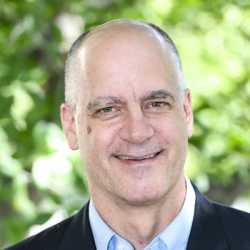
Host
Guests
More information:
- Listen to Reimagine Rural on Apple, Spotify, or wherever you like to get podcasts.
- Learn about other Brookings podcasts from the Brookings Podcast Network.
- Sign up for the podcasts newsletter for occasional updates on featured episodes and new shows.
- Send feedback email to [email protected].
- Find out more about the Brookings-AEI Commission on U.S. Rural Prosperity.
- Discover more research on Reimagining Rural Policy.
The Brookings Institution is committed to quality, independence, and impact.
We are supported by a diverse array of funders. In line with our values and policies, each Brookings publication represents the sole views of its author(s).
Commentary
PodcastAmerica’s Rural Future: In the Mississippi Delta with Commission members Bill Bynum and Charlie Cotherman
Listen on
Reimagine Rural
April 15, 2026