Regional Inequality
How states can incentivize local investing to find new capital for businesses and housing
3:00 pm EST - 5:00 pm EST
Past Event
3:00 pm - 5:00 pm EST
 When Joe Biden takes office, he will confront unusually challenging economic circumstances: a persistent pandemic, an economy far short of full employment, and federal debt at historic highs. How much, how soon, and in what form should Congress enact additional fiscal support for the economy? How worried should we be about the high and rising federal debt at a time of low interest rates? What should the new president’s fiscal priorities be?
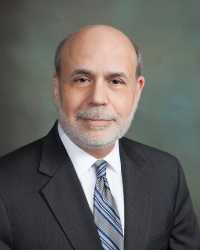
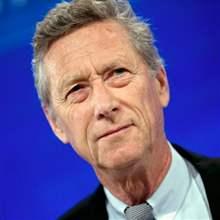
The Hutchins Center on Fiscal & Monetary Policy at Brookings and the Peterson Institute for International Economics offered answers to these and other fiscal questions from a distinguished set of fiscal policy veterans. Wendy Edelberg of Brookings, Douglas Elmendorf of Harvard, and Michael Strain of American Enterprise Institute discussed near-term fiscal policy. Then former Treasury Secretary Lawrence Summers and Jason Furman of Harvard will present a paper arguing that persistently low interest rates require a rethinking of the framework for fiscal policy. Their presentation was followed by discussion with former Federal Reserve Chair Ben Bernanke, Olivier Blanchard of the Peterson Institute, and Kenneth Rogoff of Harvard.
Viewers submitted questions to [email protected] or on Twitter using #FiscalPolicy.
Moderator
Panelist



Moderator

Panelist