China
They're [Chinese authorities] trying to turn the industrial engines back on as quickly as they can, but its a bit of a challenge because 60 percent of the Chinese economy is in the service sector. And even if they wanted people to go to movie theaters and restaurants right now, I don't think there's a lot of demand.
On the global stage, [China is] hoping to fill the void of U.S. leadership. They have a long way to go, but they’re trying.
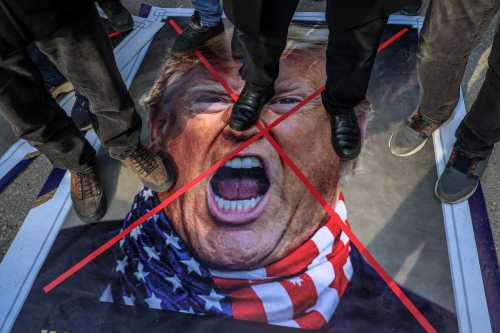
The spread of the coronavirus has held a mirror up to the bilateral relationship and the image that has emerged is ugly. Now, leaders in both countries are consumed by arguments over where the virus emerged and who is to blame for its spread, rather than on what must be done, collectively, to stop it...China will struggle to persuade the world that it is a benign major power coming to the aid of those in need when it simultaneously is pushing out fringe conspiracy theories. It would be much wiser of Beijing to let its aid to others speak for itself, but it is unclear whether it has the discipline to do so at the moment.
The U.S.-China relationship has deteriorated to a new post-Tiananmen low at a particularly unfortunate time, when the two countries ought to be joining forces to limit the ravages wrought by the pandemic on public health, economic activity and financial markets.
In a normal functioning administration, my advice would be to identify practical ways where the U.S. and China can pool resources and expertise to help get the global spread of coronavirus under control. Such an approach is a bridge too far for the current administration, sadly. To be clear, there is much criticism to be levied against China, and there will be plenty of time for score-keeping, but now is not that time.