U.S. Trade Policy
Tracking trade amid uncertain and changing tariff policies
2:00 pm EST - 3:00 pm EST
Past Event
2:00 pm - 3:00 pm EST
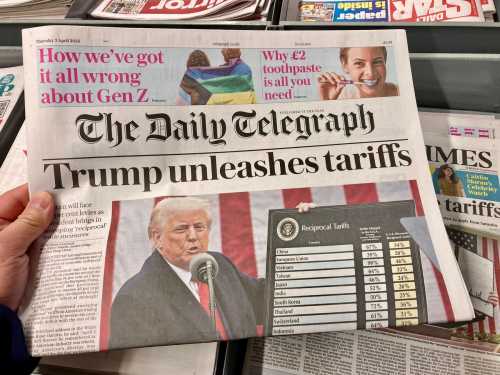
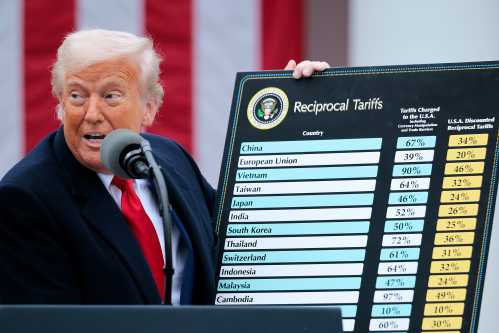
The Supreme Court’s ruling invalidating the administration’s use of the International Emergency Economic Powers Act (IEEPA) tariffs removes the executive branch’s most rapid mechanism for imposing broad country-level duties. The decision clarifies the limits of presidential authority under these emergency powers—and raises a larger question: what tools remain available to advance President Trump’s trade strategy?
How will the ruling affect the administration’s ability to deploy tariffs quickly and at scale—and which alternative statutory authorities might now take center stage? What does it mean for the U.S. economy—households and business costs, financial investments, and supply chains—and for federal revenues? Who decides on refunds and when? And how should we think about the durability of recent shifts in U.S. trade policy and their implications for the broader international trading system in the years ahead?
This Brookings panel brings together leading experts in trade law, economic policy, and foreign affairs to assess the decision’s broader implications. Moderated by Kari Heerman, senior fellow and director of trade and economic statecraft for the Brookings Economic Studies program, the discussion will connect legal doctrine to economic outcomes and longer-term strategic choices—offering a cross-disciplinary perspective on the future of U.S. trade policy and international economic policymaking.
Online viewers can pose questions for the panelists by emailing [email protected].




Moderator