Crime, Justice & Safety
Tackling Chinese criminal networks in Latin America
9:00 am EDT - 11:00 am EDT
Past Event
9:00 am - 11:00 am EDT
1775 Massachusetts Avenue N.W.
Washington, DC
20036
Since Tsai Ing-wen won the presidential elections and the Democratic Progressive Party (DPP) gained a majority in the Legislative Yuan in January 2016, Beijing has shifted its stance toward Taiwan. During the previous Kuomintang-led government, Beijing and Taipei initiated economic agreements and increased official communication. But, as politics shifted in Taiwan and brought the opposition DPP to power, relations between mainland China and Taiwan have reached a standstill, and even deteriorated. While cross-Strait relations are an integral part of U.S. policy in Asia, other regional countries have become stakeholders in cross-Strait stability as well.
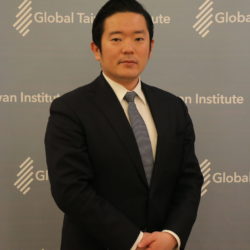
On March 13, the Center for East Asia Policy Studies at Brookings held a public forum that brought together experts from Japan and the United States to examine the current state of cross-Strait relations. Panelists discussed U.S. and Japan policy toward China and Taiwan, and the role both countries play to ensure peace and stability.