Ohio Democratic Senate candidate Sherrod Brown is running an ad calling the incumbent Sen. Jon Husted (R-Ohio) the “face of data centers.” As the state’s former lieutenant governor, Husted supported tax breaks for data centers and called them a tremendous economic opportunity for Ohioans. He encouraged towns to build them and advance Ohio as a business-friendly area.
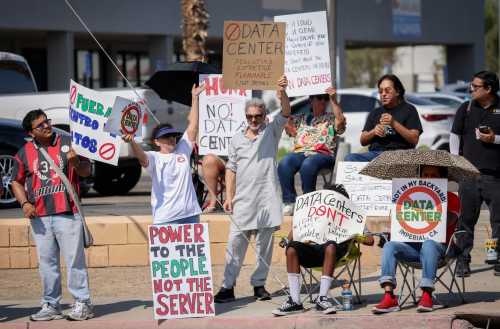
The focus on data centers, in one of this year’s most competitive Senate races, demonstrates dramatic shifts in public opinion and the high stakes going into the midterm elections. The public has gone from a cautiously optimistic view of data centers to outright opposition, and this rising negativity poses challenges for technology firms, the digital economy, and policy discussions concerning the future of data center moratoriums and business investments. It is thus a political transformation that warrants close scrutiny by candidates, tech leaders, and election observers.
The rise of public concerns
A September 2025 Heatmap poll showed the public evenly split in its views about data centers. Forty-four percent supported their construction, while 42% opposed them. A number saw them as a vital tool for economic development even as others worried about their overall impact.
This year, 64% of respondents to a Reuters/Ipsos survey said they do not think it is a “good thing to build data centers at a rapid rate.” Seventy-seven percent say they worry data centers will increase their electricity rates, and in classic NIMBY—or “not in my backyard”—fashion, only 14% say they would be willing to live close to a data center.
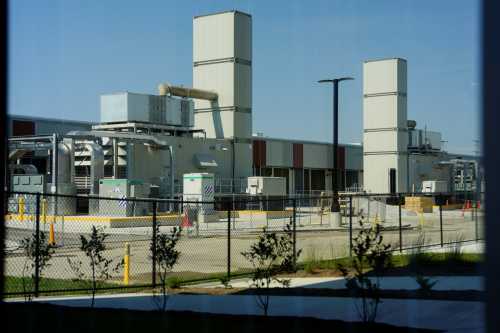
These concerns largely cut across both parties. People living in rural areas don’t want to live next to industrial parks, and those residing in congested urban environments complain about noise levels and environmental degradation.
This dramatic shift helps to explain why candidates in both parties are running ads against data centers and framing their opponents as indifferent to community concerns. In the Texas gubernatorial race, Democrat Gina Hinojosa asserted that sitting Republican Gov. Greg Abbott is too sympathetic to data centers, and that there needs to be a better balance between tech development and community concerns. Seeking to stem the political damage, Abbott recently endorsed an “audit” of data center development while the state studies their impact.
In Pennsylvania, Gov. Josh Shapiro shifted his stance from one generally supporting data centers to placing restrictions on them after his Republican opponent criticized him for being too favorable to tech firms. He recently signed an executive order imposing new rules on the authorization of data centers and placing additional guardrails on their development.
A recent study by the Washington Post showed a dramatic change in how candidates speak about data centers. Analyzing online posts from 2024 to 2026 revealed that political aspirants have gone from mostly positive to significantly negative comments about these facilities. Republicans were more negative than Democrats but each of them shifted in a negative direction. They complained about electricity costs, land use, water consumption, and a lack of jobs, among other topics.
Data centers, affordability concerns, and worries about AI
Part of the reason data center concerns are resonating with the general public is their tie to broader affordability considerations. According to public opinion polls, many individuals link higher electric bills and higher costs of living to data center construction. The economy is a central issue in this election, and candidates are therefore packaging affordability, data centers, and electric rate increases into a single narrative and using it to criticize tech development.
But data center concerns also link more generally to fears about artificial intelligence (AI) taking jobs, the lack of human agency over technology transformation, and people getting left behind. AI has become an existential threat for many individuals, and data centers have become the means for people to express their worries about overall AI development. It is hard to fight AI rollouts, which are largely controlled by tech firms, but easy to gin up community opposition to data centers because they require local permits and environmental safeguards.
The fact that AI development is pushed by tech billionaires creates another political problem for data centers. With income inequality at record levels, billionaires maintaining close relationships with political leaders, and tech firms paying relatively low tax rates, a “techlash” is building that poses substantial risks both for AI and data centers. This backlash reflects not just a communications problem on the part of tech companies, but meaningful public worries about deeply rooted deficiencies afflicting the U.S. economy. In a number of respects, data centers have become a convenient proxy for major debates regarding the future.
The future of data moratoriums and business investment
The way data center concerns play out in the 2026 midterms could have dramatic consequences for the longer-term policy landscape. If several of the high-profile backers of data centers lose and their opponents win, it could encourage politicians to embrace more data center moratoriums, pauses, and audits. This already happened in New York and in many local communities across the country, and an acceleration of that movement would slow future development and pose serious problems for AI growth and the overall digital economy.
More ominously, a slowdown in the data center buildout could dramatically affect the business models currently embraced by tech firms. All the large companies have invested hundreds of billions of dollars in AI development and assume certain rates of return on investment. They project rapid growth rates in consumer and corporate adoption and favorable revenue estimates based on these patterns. Any pause, audit, or moratorium that slows AI adoption could challenge widely shared business expectations and creates financial difficulties not only for specific firms, but the overall economy. Since so much of recent stock market gains depend on the valuations of a few large tech firms, the dramatic recent changes in public opinion could have momentous ramifications for everyone.
Related Content

Authors


The Brookings Institution is committed to quality, independence, and impact.
We are supported by a diverse array of funders. In line with our values and policies, each Brookings publication represents the sole views of its author(s).

Commentary
Why data centers are a top issue in the 2026 midterms
August 25, 2026