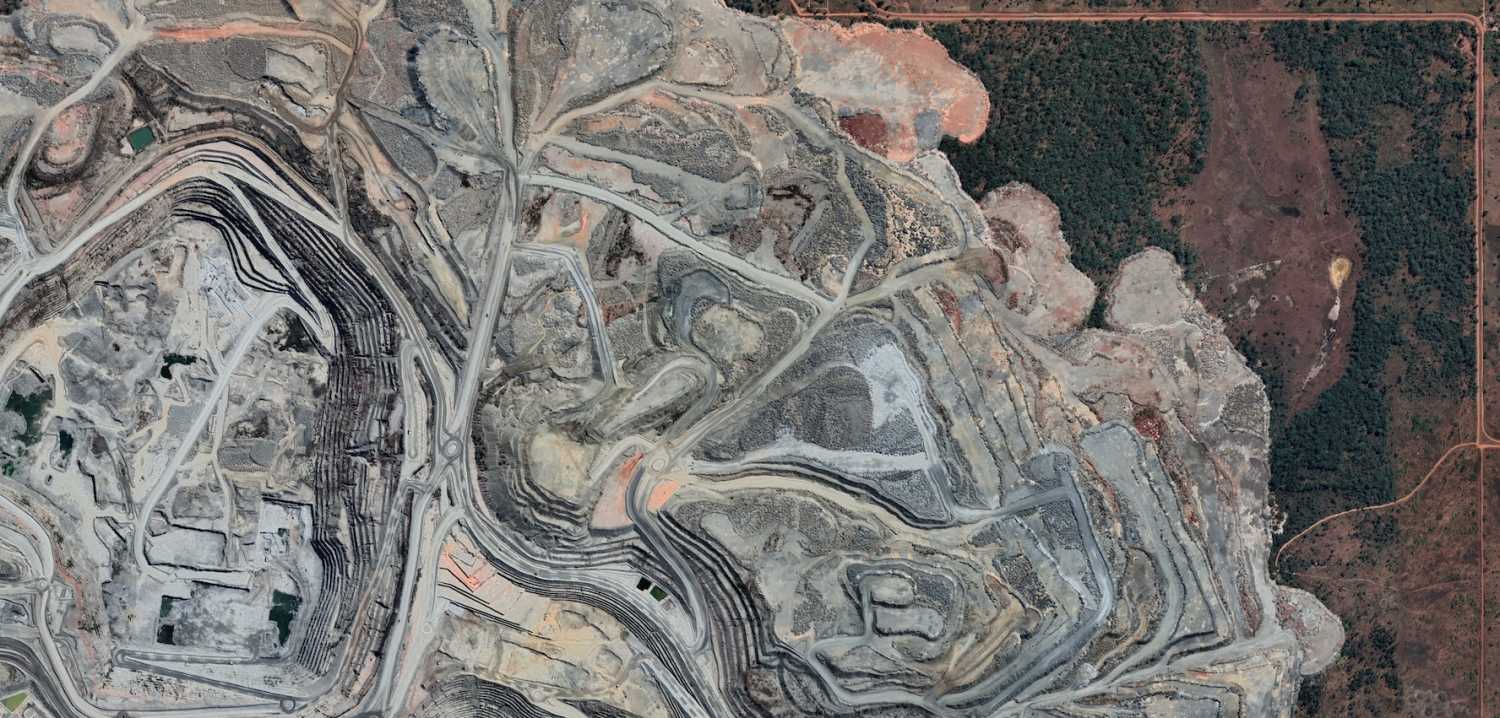
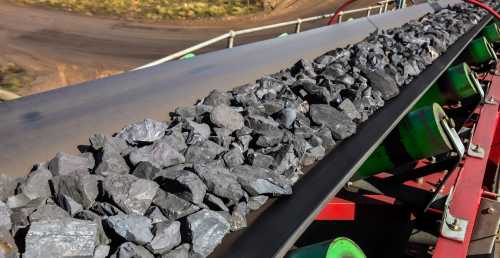
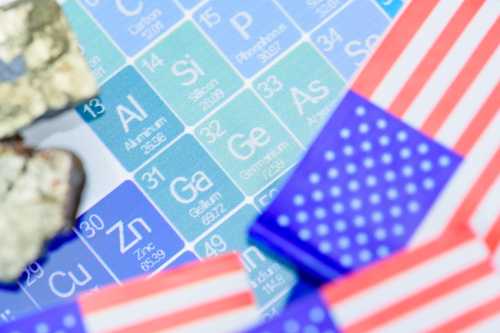
As the global economy reorients itself to meet the needs of the fourth industrial revolution, its dependence on particular resources has become apparent. The components of today’s energy and digital infrastructure—including fiber optic cables, solar panels, batteries, microchips, and magnets—all require critical minerals. The demand for such minerals is already generating opportunities for investors and for countries with significant reserves. At the same time, ensuring a reliable supply of these minerals is a strategic priority for the world’s great powers. In this context, African countries, which hold 30% of global critical mineral reserves (Mo Ibrahim Foundation 2022), are important destinations for international investment, standing to benefit from increased demand and act as attractive partners for U.S. interests.
This report analyzes how the U.S. government can expand its access to African critical minerals, bolstering its position against international competitors. China in particular has leveraged a multi-decade strategy to become the dominant player in the market, controlling the majority of processing for minerals like lithium (71%), cobalt (80%), rare earth elements (92%), and graphite (96%) (Ijjasz-Vasquez, Signé, Songwe 2025, 17). China’s growing trade and investment in African mining and infrastructure has been key to this strategy, granting it an advantage in competition with the U.S.
Brookings’ earlier research on this topic identified U.S. private sector financing as an underutilized resource with potential to scale up the U.S. position in African critical minerals (Ijjasz-Vasquez, Signé, Songwe 2025, 42). Yet to best leverage this resource, strategic decisions and actions must be made to better drive that investment and accelerate the achievement of U.S. goals.
Building on this basis, this report first assesses the strengths and limitations of six existing tools the U.S. government has at its disposal to incentivize and direct such financing for maximum impact: loans, grants, supply management, risk insurance, equity, and technical assistance. It then offers a path forward such that the U.S. government can best attract and drive private investment that will ultimately elevate and strengthen the U.S.’ future security and economic prosperity.
By doing so, the report identifies three questions that must be considered to develop a cohesive U.S.-Africa critical minerals investment strategy that cuts across institutions and can be sustained in the long-term:
- Is the goal to house all processing in the U.S. or to partner with African countries to encourage local value addition?
- Should the U.S. prioritize returns on critical mineral investments or is it willing to subordinate profits to the goal of expanding market share?
- Should U.S. policy prioritize ensuring reliable access at a low cost for current defense and manufacturing needs or incentivizing the development of new projects?
These questions are complex, and their answers may not be the same across all minerals and in all cases. However, they are essential to understanding the trade-offs and priorities inherent to any public policy intervention in this crucial area. Yet even as these questions are considered, action can be taken to help the U.S. succeed in the meantime and will help equip the U.S. to drive investment across any of these strategic priorities Four recommendations are suggested to do so.
The report puts forth a list of four recommendations that would equip the U.S. for success in achieving any of these strategic priorities.
- Develop tools and frameworks to better facilitate blended finance. Government spending on critical mineral projects is already being magnified by private finance. Standardizing and accelerating the process by which firms can apply for public assistance tools can reduce lead times and make investment more appealing.
- Prioritize a select group of critical minerals that are of greatest concern to enable a more targeted and sustainable policy. While the USGS identifies 60 minerals as “critical,” sustaining policy at the scale and duration required to make real impact will require selectivity. Rare earths, cobalt, lithium and graphite are strong contenders for prioritization given China’s dominance in their processing and their critical role in magnets and batteries.
- Engage bilaterally and regionally with African partners to get the local buy-in, align mutual goals, and foster long-term commercial relations. Getting greater support from African governments and citizens can make U.S. investment more attractive than its competitors and can reduce the potential political risk to private investors considering local operations. There are opportunities for synergy between U.S. interest in a diversified and reliable supply chain and African interests in moving into midstream processing.
- Adopt a long-term view of planning and implementation, involving key players like the U.S. Congress, and set consistent messaging and policy throughout changes in administrations to ensure progress is built upon.
Given the current competitive landscape, the U.S. will need a more strategic and proactive approach when it comes to identifying, unlocking, and leveraging private investment opportunities in critical minerals across the African continent, or risk falling behind on securing long-term economic prosperity and security. Overall, the report’s assessment of six tools, identification of three long-term strategic questions, and proposal of four concrete recommendations for the way forward provide a guiding path for the U.S. government to better engage.
Authors

Related Content
The Brookings Institution is committed to quality, independence, and impact.
We are supported by a diverse array of funders. In line with our values and policies, each Brookings publication represents the sole views of its author(s).