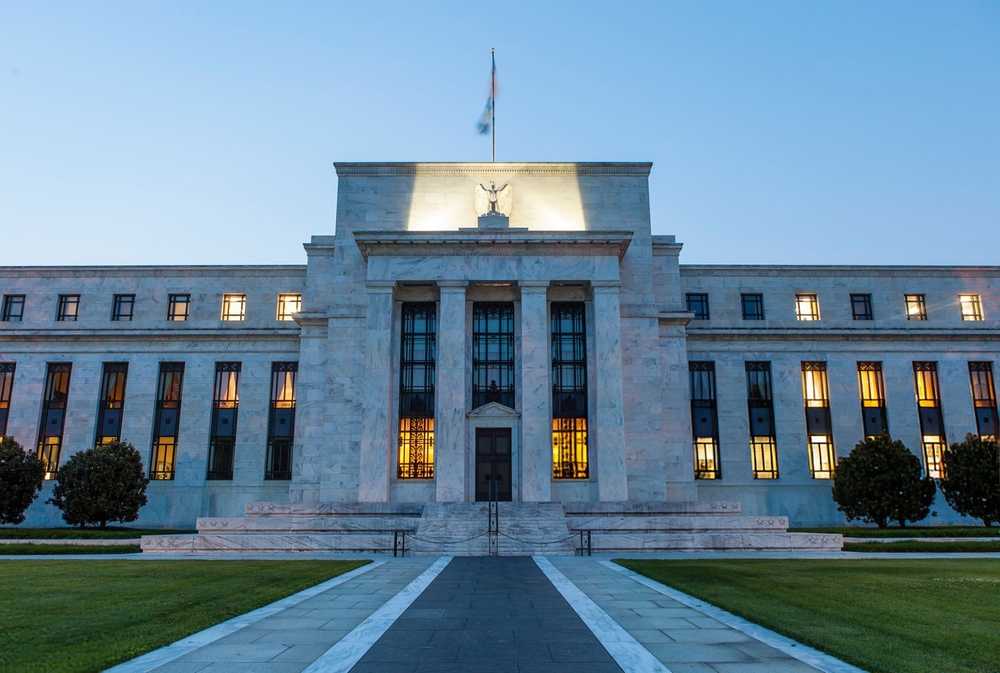
The Federal Reserve can steer interest rates with a much smaller balance sheet, Chris Hughes argues in this new working paper. He proposes a new approach, which he calls Elastic Reserves, that would supply reserves to banks as they need them. Paired with changes to liquidity regulation and payment systems, it could reduce subsidies to banks, limit the Fed’s influence in financial markets, and strengthen its independence, while preserving interest-rate control and ensuring adequate liquidity for the banking system.
The Fed’s current operating system—Ample Reserves—arose in the wake of the Great Financial Crisis. The large-scale asset purchases the Fed had conducted as part of its crisis response had flooded the banking system with reserves, which rendered the Fed’s pre-crisis interest rate control tools ineffective. To maintain the option of continuing to provide monetary accommodation through high levels of reserves, the Fed began paying interest on the reserve balances, and using the rate of interest paid as its primary tool to set monetary policy.
This system has delivered important benefits. The Fed can provide liquidity during a crisis without automatically lowering interest rates, and it has generally kept its benchmark rate within its target range.
Yet those benefits come with costs. The Fed pays banks a higher rate of interest on reserves than banks pay their depositors, and the difference is a subsidy to bank shareholders. The system requires a large portfolio, which currently holds short- and long-term Treasuries and mortgage-backed securities. The sheer size of the Fed’s portfolio keeps those prices higher than private investors alone would set. In addition, because the Fed replaces long-term bonds in private hands with overnight reserves, it shortens the maturity of privately held government debt, a choice that customarily belonged to the Treasury. The large economic footprint of the current system also exposes the Fed to political criticism and pressure. Finally, the Fed must continually assess the minimum necessary level to keep reserves “ample” and maintain constant vigilance against falling below this level.
Elastic Reserves would change how the Fed supplies liquidity to banks. The Fed would publish its lending terms, require banks to pledge collateral in advance for certain kinds of borrowing, and let banks’ borrowing needs determine the supply of reserves. Reserves would expand when banks borrow and contract when they repay. Fed lending would be structured so that private lenders would remain banks’ first source of funding, with the Fed supplying additional reserves as needed. The Fed would continue to pay interest on reserves as a tool for guiding market rates.
Three lending programs would support this system. A redesigned Standing Repo Facility would provide overnight loans secured by Treasury and other government-backed securities. A new Term Liquidity Facility would auction four-month loans each week secured by a broader range of assets, including business loans and mortgages. Accepting those assets would help community and regional banks participate. The discount window, the Fed’s longstanding lending channel, would remain available for emergencies requiring closer supervision.
Reliable borrowing must be matched by reforms that reduce banks’ need to hold reserves. For term borrowing, banks would pledge eligible assets to the Fed in advance and regularly test their ability to borrow. Liquidity regulation, the rules governing banks’ cash buffers, would recognize this dependable access to funds. Payment systems would offset transactions before settlement, reducing the reserves banks need. Further changes would help reserves circulate and limit disruptions from the Treasury’s account at the Fed .
The proposal draws on the Bank of England’s approach and the Fed’s own Term Auction Facility, launched in 2007, which lent to hundreds of institutions during the financial crisis without credit losses.
The report outlines an illustrative path from a balance sheet of roughly $6.7 trillion to around $4.5 trillion. The eventual size would depend on banks’ actual needs. Getting there would require that dependable access to reserves and lower reserve demand develop together. The Fed’s balance-sheet policy task force offers an opportunity to develop and build the kind of system presented here.
Author

Related Content

The Brookings Institution is committed to quality, independence, and impact.
We are supported by a diverse array of funders. In line with our values and policies, each Brookings publication represents the sole views of its author(s).