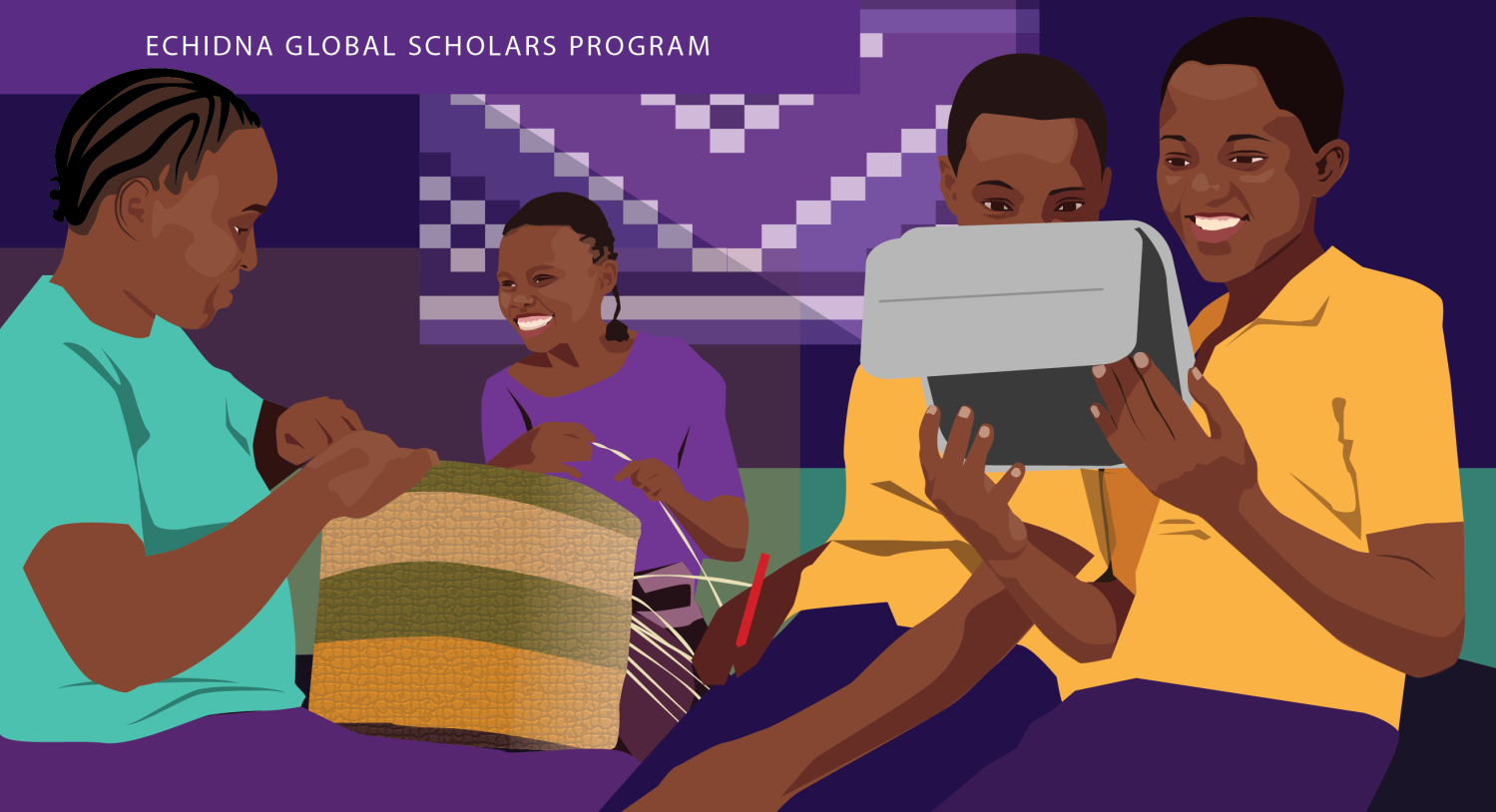
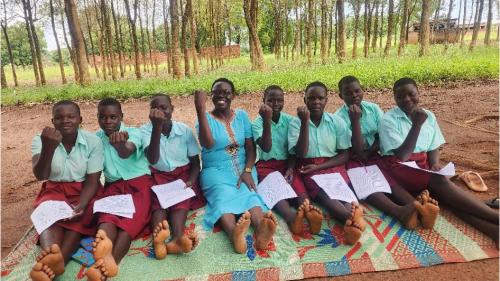
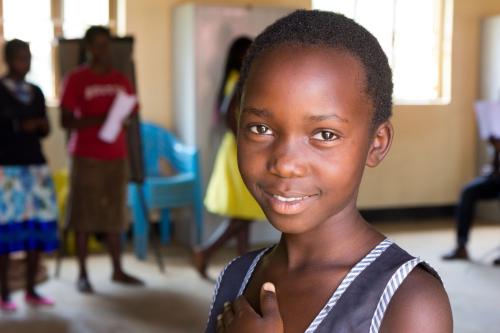
This policy brief explores the educational experiences and livelihood aspirations of girls ages 15 to 24 in post-conflict northern Uganda in an effort to ascertain the structural barriers to their empowerment pathways. While girls exhibited resilience and demonstrated ambitions to pursue professional careers, start their own businesses, and lead in their communities, factors such as poverty, early pregnancy, gender norms, and poor inter-institutional coordination continue to derail the realization of their aspirations.
The government of Uganda, through the Ministry of Education and Sports, has made deliberate efforts to promote girls’ education by putting in place progressive, gender-responsive, skills-oriented policies aimed at broadening access, equity, and employability. However, while almost 100% gross enrollment rates have been achieved at the primary level across the country, evidence from northern Uganda shows a looming gap between enrollments and completion, as well as transition to secondary and tertiary institutions. Besides, examinations as a measure of success in formal education do not align with the empowerment needs of adolescents. Vocational education and training (VET) remain gender-stereotyped and puts adolescent mothers who wish to participate in education under stigma, due to uneven implementation of re-entry policies.
The findings inform recommendations that call for a justice-oriented, skills-based education model, focused on meeting three sets of integrated needs:
- Practical needs, which are key for girls’ immediate survival, including school participation and retention.
- Strategic needs that promote girls’ agency, confidence, and leadership.
- Systemic reforms that align policy implementation, financing, and accountability with post-conflict realities.
In the context of northern Uganda, this model is fundamental to rebuilding resilient communities and fostering just development.
Author
Related Content
The Brookings Institution is committed to quality, independence, and impact.
We are supported by a diverse array of funders. In line with our values and policies, each Brookings publication represents the sole views of its author(s).