The paper summarized here is part of the fall 2026 edition of the Brookings Papers on Economic Activity, the leading conference series and journal in economics for timely, cutting-edge research about real-world policy issues. Research findings are presented in a clear and accessible style to maximize their impact on economic understanding and policymaking. The editors are Brookings Nonresident Senior Fellows Janice Eberly and Jón Steinsson.
See the fall 2026 BPEA event page to watch paper presentations and read summaries of all the papers from this edition. Submit a proposal to present at a future BPEA conference here.
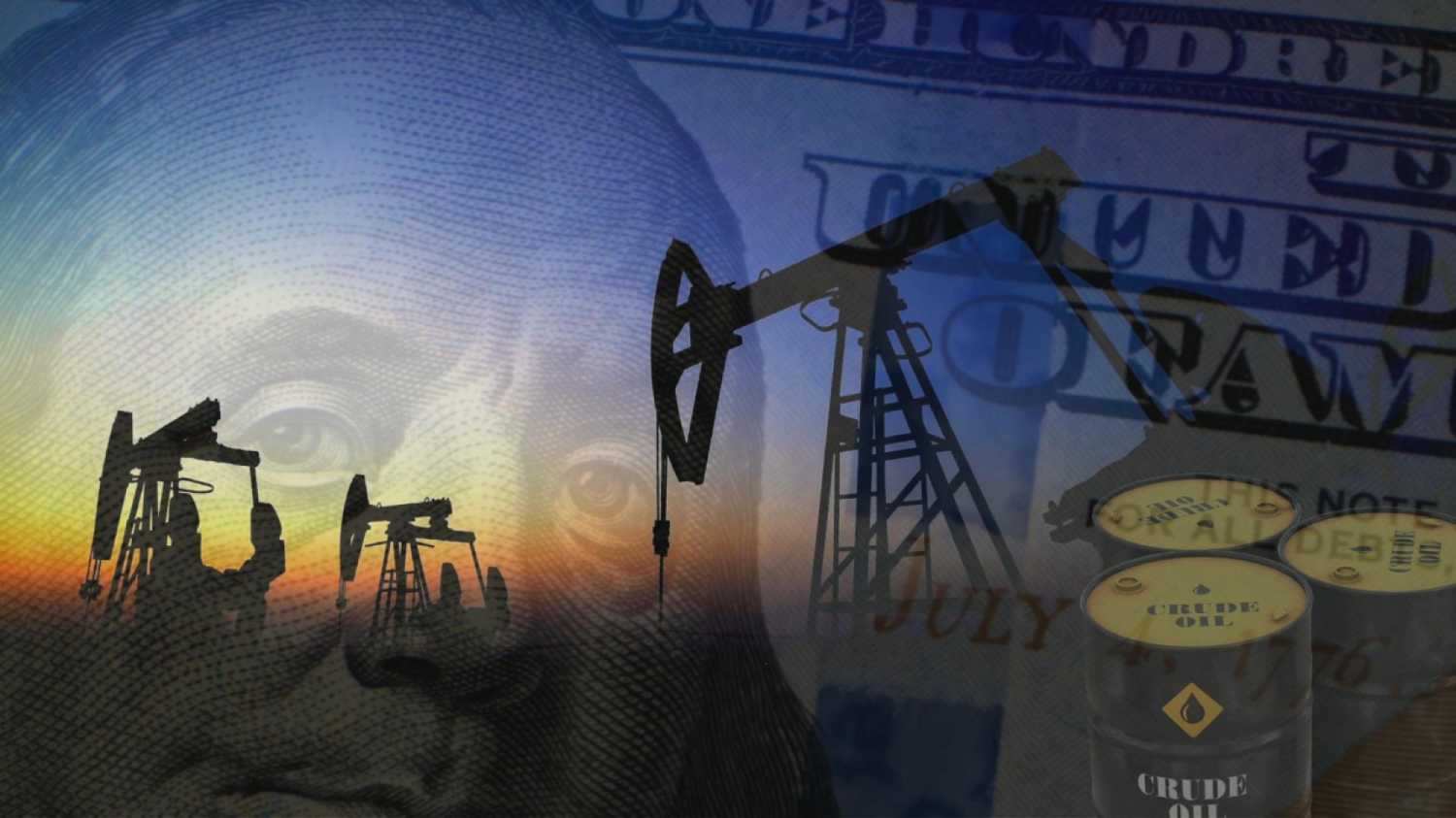
Sharp increases in global oil prices once reliably preceded U.S. recessions—but no longer now that the United States exports more oil than it imports, according to a paper discussed at the Brookings Papers on Economic Activity (BPEA) conference on September 24.
The authors, Diego R. Känzig and Luca Zanotti of Northwestern University and James H. Stock of Harvard University, use oil price movements around announcements from the Organization of the Petroleum Exporting Countries (OPEC) to isolate unexpected news about global oil supply and apply an economic model to trace the effects on the U.S. economy.
“The U.S. economy no longer responds to adverse oil supply news as it did when it was one of the world’s largest petroleum importers,” the authors write.
They note that U.S. crude oil production rose from roughly 5 million barrels per day in the late 2000s to almost 14 million barrels per day by 2025. The increase was driven by the shale revolution, the use of hydraulic fracturing (fracking) and horizontal drilling to extract oil from deep underground rock layers. Over the same period, net U.S. imports of crude oil and petroleum products fell steeply, and the United States became a net exporter in 2019.
From the 1973 OPEC oil embargo through the early 2000s, major disruptions in global oil markets were typically followed, with variable lags, by a U.S. recession and rise in unemployment, the authors note. But, they write, the pattern appeared to change around 2010. The Libyan Civil War and Arab Spring in 2011 and Russia’s invasion of Ukraine in 2022 both sent oil prices soaring, yet neither episode was followed by a U.S. recession.

The reason is that a rise in oil prices now boosts rather than depresses U.S. economic activity as the country has moved from a petroleum importer to a net exporter. An oil supply shock now generates domestic income and wealth gains that support industrial production and household spending. The oil industry experiences the largest direct gains, but the benefits spread well beyond oil producers and oil-producing regions—even though drivers still pay more at the pump. Employment outside mining rises by similar amounts in oil-producing and non-oil-producing states, and activity increases across manufacturing, construction, trade, and services. Even the stock prices of transportation firms and airlines, which are directly exposed to higher fuel costs, respond more favorably.
“The findings do not imply that higher oil prices are unambiguously beneficial for every U.S. household or firm. They continue to raise production costs and reduce the purchasing power for energy users. Rather, the shale revolution has changed the balance of aggregate gains and losses sufficiently that an adverse global oil supply shock need no longer generate a U.S. recession,” the authors conclude.
Consumer prices, meanwhile, have responded to oil shocks in recent years about the same as during the earlier period, when the U.S. was a major oil importer, the authors note. Federal Reserve policymakers once had to balance the contractionary effects of higher oil prices against the inflationary effects. But now, because oil shocks on net boost U.S. economic demand, policymakers can raise interest rates somewhat more to counter inflation pressure.
The paper doesn’t analyze this year’s oil shock from the Iran War, which continues to evolve, but implies that the rise in oil prices may not cause a recession. Oil prices spiked from $72 a barrel just before the February 28 start of the war to an average of $117 in April and were running around $100 in mid-September.
Authors



-
CITATION
Känzig, Diego R., James H. Stock, and Luca Zanotti. 2026. “From Importer to Exporter: Oil Shocks and the U.S. Economy.” BPEA Conference Draft, Fall.
-
Acknowledgements and disclosures
David Skidmore authored the summary language for this paper.
The Brookings Institution is committed to quality, independence, and impact.
We are supported by a diverse array of funders. In line with our values and policies, each Brookings publication represents the sole views of its author(s).