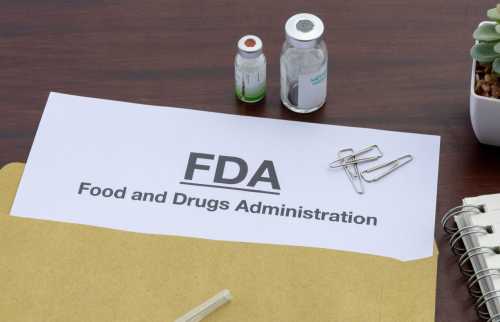
The author submitted this comment letter to the U.S. Food and Drug Administration (FDA) on May 5, 2026.
In March 2026, the FDA released draft guidance updating Q&As on biosimilar development under the Biologics Price Competition and Innovation Act (Revision 4). In response, Ryan Conrad submitted a comment letter with four key observations about efforts to improve the biosimilar approval pathway by lowering the cost and complexity of biosimilar development, with the aim of spurring competition, lowering prices, and expanding patient access.
- Lowering development costs associated with the use of non‑U.S.-licensed comparators. Revisions to Q&A I.8 and I.19 allow sponsors to use non-U.S. comparator data (often the same drug from the same factory, but labeled for another ICH-compliant agency), and seek chemistry, manufacturing, and controls waivers for associated investigational applications, potentially reducing development costs and time.
- Calibrating reserve sample rules to real‑world testing frequency. The reserve sample requirements in Q&A I.10 impose small cumulative burdens that may affect investment decisions, and FDA could periodically review these requirements to allow flexibility (e.g., smaller reserve volumes) where scientifically justified.
- Commercial dynamics, not regulatory costs, often deter biosimilar entry. Market access issues such as rebates, formulary management practices, and vertical integration by pharmacy benefit managers often make it difficult for biosimilars to gain market share. Developers factor these commercial risks into research and development decisions, undermining the impact of even a streamlined regulatory pathway.
- Clarifying the guidance while acknowledging the limits of FDA’s reach. Stronger, clearer language in the final guidance could reduce regulatory uncertainty, but meaningful gains in patient access will likely require action by the Centers for Medicare and Medicaid Services and the Federal Trade Commission to address commercial barriers.
Related Content
Author

-
Acknowledgements and disclosures
The views expressed in this letter are the author’s own and do not reflect the views of the Brookings Institution or anyone affiliated with the Brookings Institution other than the author. The author thanks Marta Wosińska for helpful comments on an earlier draft, and Rasa Siniakovas for editorial and fact-checking assistance.
The Brookings Institution is committed to quality, independence, and impact.
We are supported by a diverse array of funders. In line with our values and policies, each Brookings publication represents the sole views of its author(s).

Commentary
Comments on biosimilar streamlining efforts and context on commercial barriers to competition
May 7, 2026