



TechTank, a biweekly podcast from the Center for Technology Innovation at Brookings, explores today’s most consequential technology issues. Moderators Nicol Turner Lee and Darrell West speak with experts and policymakers to share data, ideas, and policy solutions that address the challenges of our digital world.
Conversations about the importance of granting children access to technology has lasted for decades, but the focus has since shifted. More recently, schools, parents, and policymakers have focused their efforts on removing devices from the classroom and restricting kids’ access to social media. In fact, at least 39 states have restricted cell phone use during the school day, and state lawmakers introduced over 300 bills or resolutions related to kids’ use of social media in the 2026 legislative session.
These efforts reflect a growing penchant toward restrictions and bans on teens’ use of technology, but the conversations leading up to them frequently lack participation from youth, an assessment of cultural norms, and an assessment of what benefits are lost when access is removed. Policymakers must consider how blanket restrictions affect groups of kids, including Black teenagers, differently, and how they can best support and protect students through these technological changes.
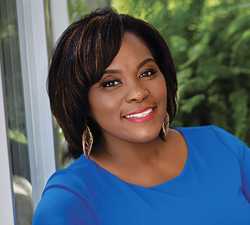
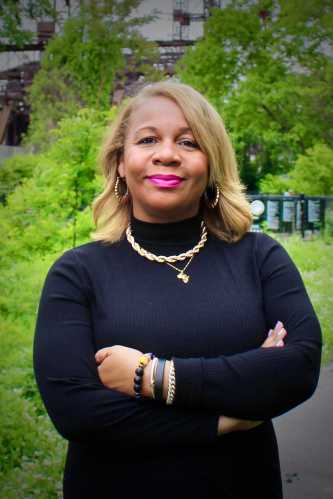
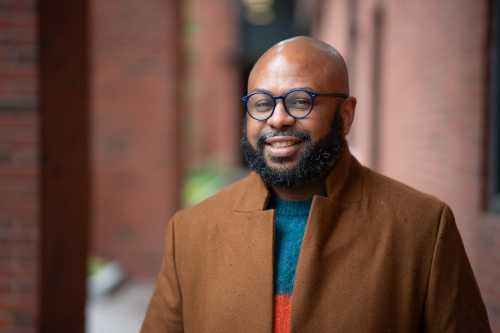
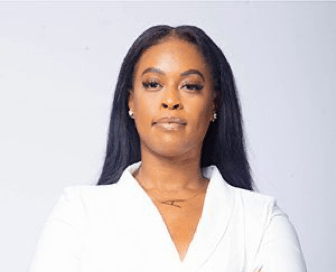
In this episode of the TechTank podcast, co-host Nicol Turner Lee is joined by Meisha Porter, a senior visiting fellow at the Center for Education Innovation; Desmond Upton Patton, a professor at the University of Pennsylvania School of Social Policy & Practice and Annenberg School for Communication; and Ashley Stewart, a researcher with experience at the Congressional Black Caucus Foundation and Youth SPHERE Lab, to discuss how best to include cultural nuances in conversations around kids’ use of technology.
Listen to the episode and subscribe to the TechTank Podcast on Apple, Spotify, or Acast.
Transcript
CO-HOST NICOL TURNER LEE: [00:00:00] You’re listening to Tech Take, a biweekly podcast from the Brookings Institution exploring the most consequential technology issues of our time. From racial bias in algorithms to the future of work, Tech Take takes big ideas and makes them accessible. Welcome to the TechTank Podcast. I am co-host Nicol Turner Lee, senior fellow and director of the Center for Technology Innovation at the Brookings Institution. It’s back to school time, people, and cell phones, despite being so ubiquitous among children and teens, they’ve gotten a new rap. More teachers and parents are speaking about the negative impacts of their use in classrooms. Extensive research is demonstrating that cell phones contribute to distractions and diminished levels of learning, while restricted access to cell phones might correlate with better academic outcomes. And it’s interesting ’cause I don’t think we have enough research yet, but we definitely are seeing a lot of bans policymakers are responding to educators’ concerns. Twenty five states, friends, have regulations in place, and seven of the 20 largest school districts are now restricting access to phones during the academic day. Phones are getting kicked out of schools. Generative AI is actually becoming a nuisance in the classroom. But interestingly enough, the real issue at hand is that is this gonna be a game changer to resolve some of the concerns? But more importantly, and you all know that I love researching the digital divide, are we gonna see challenges when it comes to the lack of digital access among students of color and those that are less privileged to have access to technology outside of the home? Listen, how can we best support and protect students through these technological bans?
What about Black students and Latina students, where having [00:02:00] access to technology was a game changer for them in the classroom? I always use this example. They couldn’t have a Texas Instrument calculator. They did have their phone. How are we gonna manage this? And I’m joined today by three distinguished guests who are gonna help us answer these questions. Dr. Meisha Porter, Dr. Desmond Upton Patton, and Dr. Ashley Stewart. So many doctors, I don’t even know what to do with myself right now. Meisha is currently a senior visiting fellow at the Center for Education Innovation, whose work is informed by her 24 years working with the New York City Department of Education, including her time as chancellor in 2021.
Desmond is a professor at the University of Pennsylvania who holds joint appointments in the School of Social Policy and Practice and the Annenberg School for Communication. He’s also the founding director of SAFE Lab, the Penn Center for Inclusive Innovation and Technology, and the chief innovation officer at the School of Social Practice, Policy and Practice.
And Ashley, who actually has been, is doing some great work for us at the Center for Technology Innovation, is a researcher with experience at the Congressional Black Caucus Foundation and the Youth Sphere Lab. She holds a PhD in educational psychology from the University of Southern California, and she keeps writing about these unique differences that are showing up among students of color.
Wow, powerhouse conversation today. Thank you all for joining me.
GUEST MEISHA PORTER: So good to be with you this morning, and all of you.
GUEST ASHLEY STEWART: Thank you for having us.
GUEST DESMOND UPTON PATTON: Thank you for having us.
CO-HOST NICOL TURNER LEE: Yeah, this is gonna be great. Listen, first of all, all these doctors, I’m intimidated. I’m a doctor, but I feel like I’m doctored to the fourth degree, okay? But I think today’s conversation is gonna be interesting. But I wanna start with you, Meisha. Dr. Porter, you have spent a lot of time working in and out of schools. Can you explain what’s happening with these conversations around technology in the classroom right now? And I want you to, think about this from just your whole experience, being an educator and administrator.
GUEST MEISHA PORTER: Good [00:04:00] morning, afternoon, whatever time of day we are in all the places we are. Thank you so much for having me. I think a lot about this, and just from your introduction, Nicol, the bans really come from the conversations about technology has changed pretty dramatically in many, ways. When I started in education, when we were talking about technology, we were having very technical conversations that were focused on tools and equipment. We weren’t talking about, how we were using them. We were asking, “Do we have enough laptops? Are there SMART Boards in every classrooms?
Do students have tablets or laptops,” right? Is, “Do we have Wi-Fi? Where do we, where don’t we have Wi-Fi? What software should we buy?” So we were really talking about what technology we wanted to acquire, and I really believe we’re now in a conversation about bans for improper usage because we’ve never talked about what students, teachers, families, and communities are actually doing and can do with technology. And so I think that we’re at a really important precipice in the conversation about technology because we’re being challenged with technology that’s moving so much faster than we were, and we are still sitting in the same conversation of what to buy and what not to buy, as opposed to the really deep and important conversation that changes lives, changes outcomes, changes opportunity and access, which is, how are we using this stuff?
What, can it do for us now that it couldn’t do before? How is it changing learning? How are students engaging more deeply as a result? I learned very quickly In the pandemic, who had access and who didn’t? And then I learned that the biggest conversation that we weren’t having is that technology is really about the interaction between teacher, student, and tool, and how that, creates a really different kind of learning opportunity for young people. And I think that, that is just… We’ve just [00:06:00]stayed too long in, what are we buying? What’s the… What equipment do we have? How much of it do we have, and how much more do we need?
CO-HOST NICOL TURNER LEE: I love that because you just said it, right? This is a tool. It’s not necessarily a replacement for a teacher, and I think artificial intelligence has made this more complicated. Wouldn’t you agree, Dr. Porter? Because AI has come on the scene- Absolutely … and obviously it’s a lot more engaging. the question I have for you before I turn over to Ashley and Desmond is, Dr. Porter, as a former chancellor, when we talk about technology then, as you mentioned, it was, like, more of the devices and the hardware and the pyramid, right? Today feels different because now we’re talking about applications- Yes … which is not necessarily the hardware. It’s what’s on the hardware. Do you think we’re being, a little bit too over-demanding when it comes to these bans by clumping smart boards with, social media?
GUEST MEISHA PORTER: Absolutely. I think that we are moving… we’re either too far left or too far right. I think that’s the nature of where we are. I think there is a really important middle ground, and it’s in answering that very question. How do we wanna use these tools as we’ve used tools in education in the past? How do we wanna use the tools of technology, AI? How do we wanna use it to change the relationship with learning that students and teachers have? I think that is the big question, and if we just get stuck with the… honestly, it’s easy to ban. It’s harder to really be thoughtful and intentional about the usage of tools in service of learning, and that’s where I’d really love to see us go.
CO-HOST NICOL TURNER LEE: I love that. Ashley, I wanna bring you in because a lot of your work looks at the trends that are affecting Black students in particular, you and Dr. Desmond. Talk to me a little bit about how these trends, these bans, are affecting Black students overall when it comes to being very prescriptive.
GUEST ASHLEY STEWART: Yeah. Thank you for the question, Nicol. And thanks again for having me with my esteemed colleagues here. And I [00:08:00] think Dr. Porter really hit the nail on the head, with regard to making sure that we’re having conversations specifically about how technology is being used. the, the short answer of that is, race shapes the experiences that young people are having generally, right? Socially, particularly in the United States, and their experiences with technology are no different. And so what we know is that, racial inequity in education has existed pre-technology, and so we have to be very thoughtful about the ways that, Black young people are experiencing classrooms generally, and then also class- or classrooms with and without technology.
What are the quality of their offline experiences? Again, for many of these young people, Black young people and brown young people in particular, having access to technology within schools might be their only access to technology, period. in ways that, you know, for more… for students from more affluent families or families with more resources, they might have very, high access to technology outside of school and very enriching, resources outside of the school context. And so I think it becomes, again, very important to have some of these conversations about, the how of using technology and how can we build capacity for educators and the human infrastructure of the schools to engage with tech- with technology in ways that afford young people and Black young people in particular, the opportunities to have enriching experiences, with the tech.
Also, for Black young people, it’s not necessarily about their experiences, with the technology, but it’s also about how technology is being regulated, and race also shapes technology regulation and how students experience, regulation and policy implementation in schools generally. And so we also have to think about, what these bell-to-bell bans, how they’re being implemented, how are educators using their, [00:10:00] discretion to implement these bans. How, if at all, these bans, might contribute to, even more disparate dis- disciplinary outcomes for Black young people in particular.
CO-HOST NICOL TURNER LEE: And I think that was interesting. You wrote about this in one of the blogs at Brookings, which is, in some of the instances where there are bans, Black students tend to receive more disciplinary action. And you also mentioned, that’s contrary to the use of technology by Black students, where they’re actually using it to form communities. My daughter was very clear during the pandemic that she used social media to make sure she stayed in touch with her friends and created social connections that buffered the effects of isolation. Ashley, just going back on you, is that one of the areas in which, we have to also be sensitive with regards to the different cultural nuances?
GUEST ASHLEY STEWART: Absolutely. Black young people have always, have been at the forefront of conversations with regard to technology. they have been very integral to building culture and community in online spaces, using it to explore their identities, develop their identities, particularly, during the adolescent years when that is a huge part of adolescent development. They’re using technology to explore their identities, racial and others, and other identities as well. they’re using it to access information and connect with people who, again, understand their experiences and share their experiences. And so for young people, for Black young people, we’ve seen technology in social digital spaces, be used as, sources of connection and, cultural affirmation in a lot of ways, and movement building even. And, they also have experiences with, on the other side of that, racial discrimination, racialized misinformation. And so again, there is a very nuanced experiences that Black young people are having online, and I think it’s important for us to resist the notion that young people are experiencing technology, universally the same way.
CO-HOST NICOL TURNER LEE: Yeah, and, Desmond, I wanna bring you in, Dr. Patton, ’cause I think this is the groundbreaking research [00:12:00] that you’ve done which is really making sure that we don’t miss these, unique differences that do exist, and diversity that does exist when we’re looking at these universal applications of technology restrictions. And I really love the way your research really talks about building off what Ashley said, like this cultural, building, identity building…which I think is something that we never really talk about when we talk about, technology’s effects on young people.
GUEST DESMOND UPTON PATTON: Absolutely. first, it’s just really good to be here, and I had to hold myself back from saying amen when Dr. Porter and Dr. Stewart were talking because, what’s abundantly clear is that when we center Black and brown young folks in the conversation changes. It become, it becomes more nuanced, it becomes more complicated, and I think we see why bans and restrictions don’t work for everybody. So I’m really happy to be a part of this conversation. one of the things that I wanna say is that, my, my work really starts at a different place. what I’ve learned from spending, years with young Black folks is that, w- they are not peripheral users of technology.
They’re creators of culture, language, community, and many of just the new ways of just being and existing online. And their experiences also help us to see race and inequality, grief, but also joy and opportunity that shape what the technology actually does in a young person’s life. So I’ve spent many, years studying Black young people navigating social media, gun violence, grief, and loss, and one thing that work has really taught me is that the digital world and the physical world are just not separate neighborhoods. And what’s also become really abundantly clear from spending time with young people is that life moves back and forth between them. So online, young people may encounter racism, grief, and conflict, but they’re also finding friendship, and humor, and identity, and creativity, [00:14:00] and care. And this is where I think the work of Dr. Brandesa Tynes out of USC is really important because she has shown that online racial discrimination can have real consequences for Black and brown adolescents’ mental health. So when we talk about wellbeing and Black users online, I don’t want to just reduce the conversation to the screen time. I really want us to ask, what is this young person experiencing online and offline, and what are they finding there, and what are they carrying with them? Because then it gives us a much more fuller picture of their experiences. And so I’ve, I’ve really appreciated that we’ve gone, beyond just the screen time in this conversation.
CO-HOST NICOL TURNER LEE: Yeah, that’s one of the reasons why I wanted to have this, ’cause I think, the screen time, and, Dr. Porter, I want you to add anything to what Ashley and Desmond have said. It’s almost like a very, middle class, framework, right? When I was growing up, my mother did not want us in front of the television, so what did she do? She sent us outside, and then she enrolled us in all these activities. I think I did every activity under the sun from Girl Scouts to dance and all these other things.
And I think today’s family, they’re, different. they’re built different economically. They can’t always afford to take on these extracurricular activities, and they’re also living in a space where they’re working, to maintain their households. Meisha, when you think about, the everyday school experience, particularly, your leadership in New York. Am I too far off on this? Like-
GUEST MEISHA PORTER: You are not. I’m, in the amen corner with, everyone. This is such a really important conversation because I think about, Dr. Upton, Dr. Stewart, like amen, right? Like how Black, Brown, rural, poor students experience classrooms and learning generally is what we should be talking about. How technology interfaces with that and, the reality is, and you said this, Dr. Stewart School might be the only place that, that some of these students have access to technology, and a ban is a [00:16:00] easy Band-Aid approach to solving a problem that is actually not being solved. What’s really interesting to me, and I actually think it’s comical, politicians who are making these decisions live on social media. They live on social media. They message. Our mayor got elected because of his strong way to message through social media and TikTok, and guess what? Where young people who were so, excited about his mayorality, guess where they saw them? On him, on their smartphones. And so we have to find a balance and really answer the big question, because we can easily say affluent families make decisions to limit technology at school, but that does not talk about what happens at home and what lived experiences their children are having at home and if they work in industries where, AI is already a, a, a living part of their world. And so we’re not talking about the same conditions, and so we can’t solve for different conditions with the same solutions.
CO-HOST NICOL TURNER LEE: And I take that stance, too. I was recently doing a podcast, some of my colleagues, and we were talking about AI exposure and screen exposure to toddlers. Of course, I think you have to draw the line, even though I did give my kids, a smartphone when they were, like, eight, and then maybe gave them an iPad when they were about five ’cause I was working a lot, right? I’m guilty. But I also think, to your point, parents have to also make some of those decisions around discretion, and I think in some respects when regulators legislate this, they take parents off the hook. Dr. Patton, I wanna go over to you, right? Because part of it, too, is you’ve talked about the creativity that comes from access to these communities, much like Dr. Stewart. is there a developmental threshold that you’re seeing in your research that, we should start maybe taking that [00:18:00] seriously versus, doing a universal ban across all grades and ages?
GUEST DESMOND UPTON PATTON: This is the biggest question that I think is happening across the globe, it’s happening at tech platforms, and I think it is complicated. We have seen some evidence that says, below 13 we need to have different thresholds, and you see a lot of our tech platforms are making decisions around having new policies and practices for folks who are 13 and above. Sometimes that is- 16 and above, we’re seeing bans or restrictions at that level.
Honestly, I, feel like some of these numbers are a little arbitrary. what’s the difference between how a young person uses AI and social media at 16 and 18? I think that varies from house to house. What I really try to tell parents and caregivers is that you are the experts on your young people’s lives, and I don’t– I feel like a lot of parents and caregivers are being thrown into this fury of, “Be worried, be concerned. Everything is going bad.” Yes, there is some trouble. There are some challenges, and there are some things that you can be doing at home. There are ways in which parents can tap into what they already know about their children and make decisions based on what they know from their lived expertise in that space.
CO-HOST NICOL TURNER LEE: And I think, Ashley, that kind of goes back to your comment. And one thing that you also mentioned that I wanna make sure we don’t lose sight of, there has to be, some leaning into equity as part of this conversation, and it’s obviously a word that people don’t like to use, but I think goes back to Dr. Desmond’s point around, you can’t necessarily put an age number on it, but you can think through, what the potential uses are. What do you think, Ashley, in terms of that? How does equity show up in this conversation as well?
GUEST ASHLEY STEWART: Yeah, I think that it’s been showing up, at the peripheral, with conversations like these, but I think the [00:20:00] issue is that it isn’t necessarily a part of the design conversations.
CO-HOST NICOL TURNER LEE: And that’s what I was gonna ask you, too, ’cause we did have a big lawsuit settlement come out- where design was part of it. So go there, Ashley. Like- … is design enough? ‘Cause I know you’ve written about that as well. Or, to make sure that there’s equity in how we look at these products.
GUEST ASHLEY STEWART: Yeah, we did see this, this big landmark settlement and, with Meta ensuring that the platforms would lean into some of these, design infrastructure issues. I think one of the big things, though, is that a lot of what we’ve been seeing, at least in, some of these earlier conversations around platform design, was a push toward, parental monitoring. And if we’re thinking about equity, we’re thinking about, parents’ capacities to, again, monitor their children’s online use in ways that, are significant. And sometimes that- that’s very hard. as you just mentioned, Nicol, parents are working. We have… That also leaves out, s- students and young people who might be in foster care, right? So I think when we think about equity, we have to be, thinking about those students and those young people who are gonna be the most vulner- vulnerable, and designing for those young people, and not thinking about them as, minorities in the conversation. We have to think about that person as the core audience for some of these platform and design decisions.
CO-HOST NICOL TURNER LEE: And that’s interesting. And, yeah- Yeah, go ahead, Meisha, ’cause I- Yeah, I was gonna- … thought I’d ask you, what you thought about that.
GUEST MEISHA PORTER: Yeah, love it. again, like I, I wanna push this question beyond technology because, beyond the tools, right? Because the other thing is technology isn’t neutral. It learns from data, language- images, history, and patterns that already exist. And we know that our society hasn’t always seen Black and Brown communities, rural communities, poor communities accurately or through the lens of their assets and brilliance and possibility. So what, how do we ensure [00:22:00] that our voices are part of the inputs and the outputs as well, right? How are we ensuring that AI isn’t making the decision, that technology isn’t making a decision about who we are, who our people are, who our students are, which students are gifted, which students need intervention, who’s at risk, right? Like, all of these things when you ask a question, does not necessarily, when you ask a question of an AI tool, it doesn’t necessarily give you a very broad-ranging answer that is inclusive of multiple cultures, experiences, and diverse opinions. And if we are simply banning our voices, our young people, our communities, then we aren’t part of shaping the language.
And so I, think that’s also a big equity issue that we have to think about when we’re deciding usage, when we’re deciding on bans, when we’re deciding on what companies we’re engaging in. We… I, like to lean into conversations with companies that come to the table and say, “How can we be a part of building the thing?” Because when we talk about what young people of color wanna do with technology, they see it as an entry point for them to get their voice out, for them to be influencers and influence what’s happening in the world, to tell their story differently. And so there’s a power there that we will miss the mark on and, our communities will be behind, and we’ll be playing catch-up to tell our and narrate our stories e- even in those spaces.
CO-HOST NICOL TURNER LEE: And, that brings me to, I wanna open it up to anybody. Like, where should, educators, researchers, scholars like yourselves, are you being invited to these conversations to bring this perspective and bring this input? It would seem to me, and this is the work we do at the AI Equity Lab at Brookings, that we need more subject matter experts to help shape- Yeah the discourse. Yep, go ahead, Dr. Patton.
GUEST DESMOND UPTON PATTON: No, I’m so grateful for this conversation [00:24:00] and, as you all were talking, it’s like I need Dr. Porter and Dr. Stewart to be a part of some of the conversations that I’m a part of. So I sit on safety advisories at Spotify and TikTok and Exxon, and the thing that is consistently missing that is needed is to have use cases. We need use cases, particularly from Black and brown communities, to deeply understand how AI and other emerging tech tools shape the experience directly for Black and brown youth. And honestly, there is research, but we need evidence-based conversations that show the impact, but also to show it in a multifaceted way. Oftentimes, when we’re talking about tech and Black folks, it’s always about what’s missing, what’s not there. There are also plenty of strengths from our communities in terms of how our young people have been using these tools from the beginning, h- how our young people have been a part of shaping how these tools are used in, just across communities as well. And so I absolutely need to be calling Dr. Porter and Dr. Stewart into these advising meetings, because we’re missing these cultural nuances.
CO-HOST NICOL TURNER LEE: We are, and I think we could say, even, And Dr. Porter, I know you have more experience, at least, with Latina students in New York. I think these are very applicable to students across the spectrum. Would you agree?
GUEST MEISHA PORTER: Absolutely. Absolutely. It- this is, this is about students who are not. These are- we’re talking about-how are we centering students who are Black, who are brown, who are Asian, who are- who live in rural communities. How are we centering students, all of our students across the diaspora of learners that we serve?
CO-HOST NICOL TURNER LEE: Ashley, you wanna jump in there?
GUEST ASHLEY STEWART: Yeah. Again I’m a developmental scientist by training, and so I think for me, the conversation is about technology, [00:26:00] but it’s also about, development generally, right? And so when I think about development, I’m thinking about systems, right? So it’s their experiences with technology, but it’s also the quality of their experiences outside of online environments. And so when we think about things like bans, and taking away these devices, what are we replacing them with? How are we ensuring that the experiences that young people are able to have offline, can be, optimized and supported in their overall development, particularly for young Black folks. One of the things that I talked about in one of our articles on, for the Brookings blog was this idea of again, taking away the technology and not necessarily giving young people other spaces to gather, to find community, to build culture, and have some of these conversations. And so when I’m thinking about, young people’s experiences with technology, I’m always thinking about their experiences outside of the technology, and that’s one of the things that I think also needs to be uplifted in these conversations as well.
CO-HOST NICOL TURNER LEE: Look, I think I’m gonna join the amen corner ’cause I’m actually working on a piece now which is around really recentering investments in youth development. I think a lot of the challenges that we talk about when it comes to tech, they go right back to all of what you all have been saying, which is, we really lost the eye on the prize when it came to bringing technology into schools, but then also centering it so it became part of pedagogy and practice and behavioral change. Because I worry, I’m just gonna put this out there, this is probably… I’m gonna have to have you all back, that by taking tech out of schools, we’re not necessarily preparing these young people for the careers that are going to involve tech when they leave school. and what does that look like if you have a whole generation that grew up digital that has to unlearn and then go into a workforce where those skills are actually applicable? I wanna find out from all of you, what do we do about it? At the TechTank podcast, we do try to come up with some solutions. Love to [00:28:00] hear from all of you then, what’s the solution? Is it a solution to tackle universal bans by doing more research, as Dr. Desmond said? Is there some validity to being able to reel students in when it comes to screen time? Talk to me about, what is it that policymakers need to be paying attention to?
GUEST DESMOND UPTON PATTON: I’ll just jump in really quickly. I think, a couple of things. One is my friend and, colleague Dr. Courtney Cogburn talks a lot about having an untethered imagination. I really think we need to take a step back and think about how do we curate an imagination around the utility of tech for Black and brown folks that is not tethered to whiteness? And I think that is a hard and complicated conversation because it is all around us. But what do we imagine? How do young Black and brown folks imagine their life in a world that is dominated by tech? And I’m not sure we know enough about that to even think about what the next steps are. So I would really hope that we, invest in space, that allows for that kind of co-collaboration and that imagination, that play, and that fun to help us, develop some of those, answers and solutions.
CO-HOST NICOL TURNER LEE: I actually love that because I think it is a policy recommendation, which is why we’re doing this podcast. We need more evidence-based research. So I think that is spot on in terms of the topics. Thank you for that. Ashley, what do you think?
GUEST ASHLEY STEWART: Yeah, Nicol, really quickly, I wanna go back to your earlier point just really quickly about, young people not being prepared for some of these careers outside of school. And I, really wanna highlight that point because I think when we do a total ban of technology within schools, we’re sending a message about technology, right? And so what does that mean for young people to, who are moving out of these educational spaces, and, don’t, again, don’t have the, the understanding and the literacies around the technology to be able to have discretion around how they should be using technology and how it should be [00:30:00] designed, and be a part of some of these conversations. So I just wanted to make that point. Yes… really, really, quickly. I think in terms of what to do moving forward, I think Dr. Patton’s work really highlights this, and he mentioned this too, is just uplifting youth voice, and Dr. Porter mentioned this as well. I think again, including youth, voices in these conversations is gonna be so important. Historically, we are a community of innovators. Black folks have always innovated , and young people have always been a part of those conversations. And so I think this is a conversation, a policy conversation, that should be no different. And so I’m super excited to, to move some of that work forward, in the next year or so. But yeah, definitely connecting with young people, talking to young people, and making sure they also have a seat at the table.
CO-HOST NICOL TURNER LEE: I love it. Dr. Porter, yes… and you can respond too to my workforce question.
GUEST MEISHA PORTER: I’ve got totally with you on the workforce question. That, my concern about bans, my concern is that the future of is, the future of work for young people and who will actually be prepared for it. So we are on the same page as always, my sister. The world our young people are entering is not gonna be technology-free. It’s not going to be AI-free. We know that. And so we have to make sure that we are thinking about how we are including our young people and making sure they, are not prepared behind, but prepared in front of the future of work. And my answer to the other question about the solution is what, Dr. Patton and Dr. Stewart, I agree, this is like the amen corner over here, we need to be working together. We need policymakers, we need employers, we need tech companies, we need community leaders, we need researchers, we need parents, we need students. We need all of these folks to be together in a room and answer, answering the questions: What is changing about the world of work? What will young people need to know and be able to do? And guess what? Young people are thinking about the answers to those questions [00:32:00] for themselves. So we don’t live in a world where we need to answer that for them. We need to answer that with them. We don’t need to be answering for communities of color, for rural, for communities. We don’t need to be answering for them how they should use technology. We need to be having those conversations with them because they are thinking about it. And so I think the path forward is let’s stop just simple banning things and let’s really engage in meaningful, thoughtful, productive, outcome-centered conversations that lead to how we use tools, how we use technology in very real ways to change the way learning happens.
CO-HOST NICOL TURNER LEE: Yeah, I love it. I think all of the conversation so far has been so constructive. It’s done exactly what I think, we need to do in these really hard, I think somebody said complicated conversations, which is to bring people together that understand young people, and young people themselves to the table, bringing them. But really thinking hard about, what is it that we’re creating that may have unintended consequences in the future. Wow, you all were excellent. Thank you so much for joining us.
GUEST DESMOND UPTON PATTON: Thank you for having us.
GUEST MEISHA PORTER: Thanks again for having us. This was amazing. Thank you for having us. What a great conversation.
CO-HOST NICOL TURNER LEE: I know. I just see more work coming out of CTI on this. So, let’s go.
GUEST MEISHA PORTER: Let’s go.
GUEST ASHLEY STEWART: Let’s go.
CO-HOST NICOL TURNER LEE: So, I wanna thank all of you for joining me and discussing this, your important research that you’re doing, and the work and opinions that I think contributed to a really substantive conversation today. Please, folks, explore the work of Dr. Porter, Dr. Desmond, Dr. Ashley. In addition to more content on this topic at the Brookings TechTank blog through brookings.edu. This concludes another insightful episode of the TechTank podcast, where we make bits into palpable bites. And until next time, thank you for listening.
Thank you for listening to TechTank, a series of roundtable discussions and interviews with technology experts and policymakers. [00:34:00] For more conversations like this, subscribe to the podcast and sign up to receive the TechTank newsletter for more research and analysis from the Center for Technology Innovation at Brookings.
Related Content
Participants
The Brookings Institution is committed to quality, independence, and impact.
We are supported by a diverse array of funders. In line with our values and policies, each Brookings publication represents the sole views of its author(s).

Commentary
PodcastBans on screen time will uniquely affect students of color | The TechTank Podcast
Listen on
September 9, 2026