Education
Chapter 1: Media reporting on school board conflicts
A look at the nation’s most accessible political institutions in an era of conflict and partisan division.
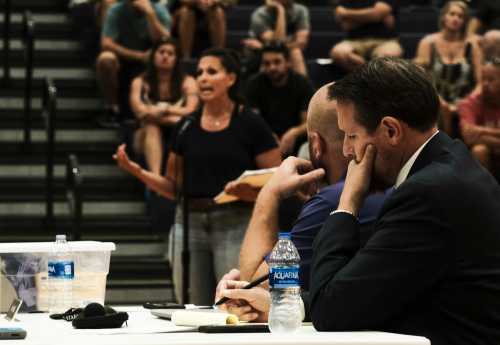
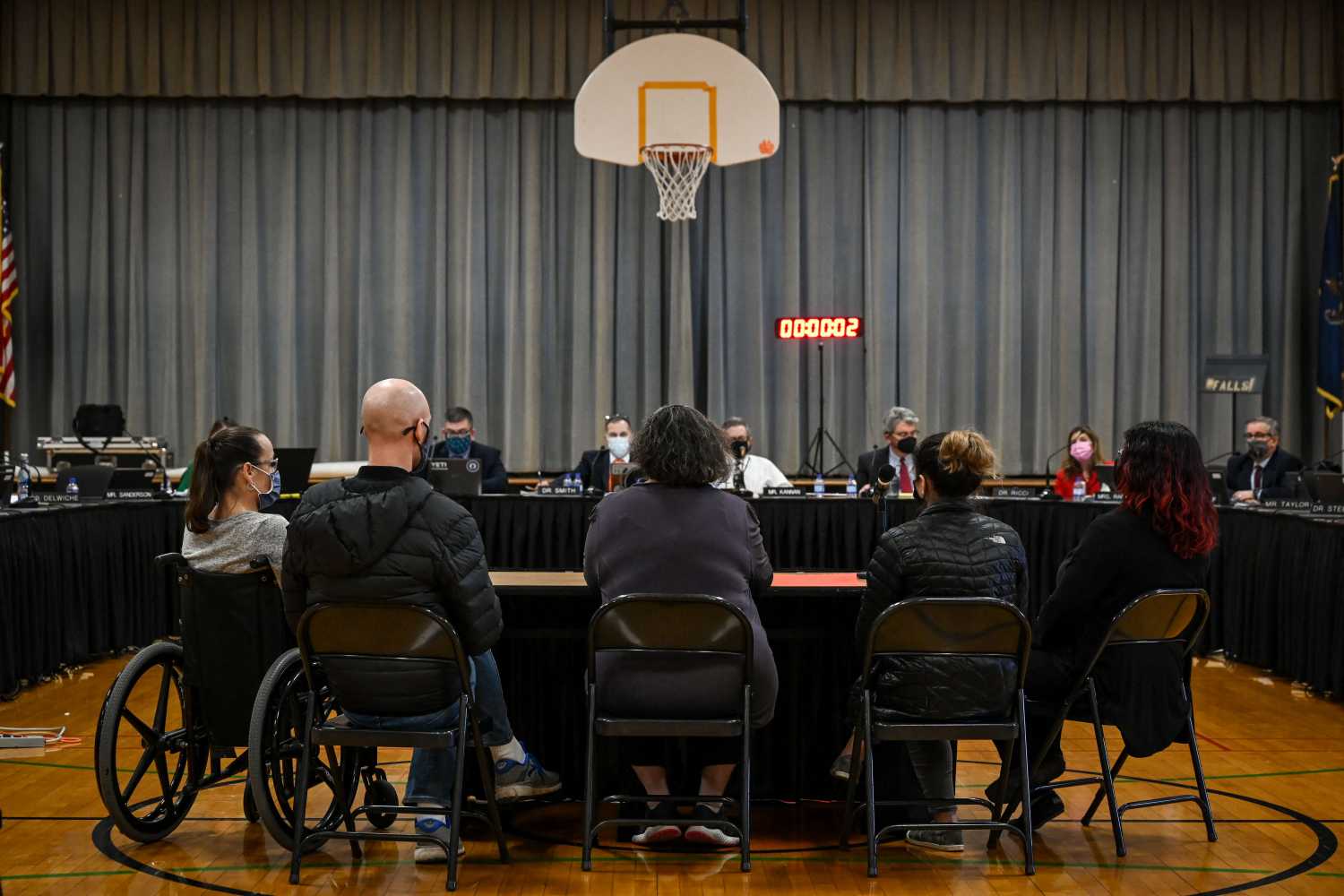
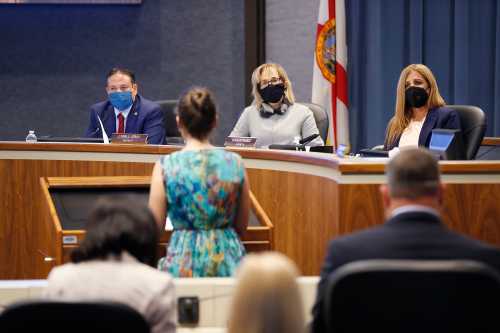
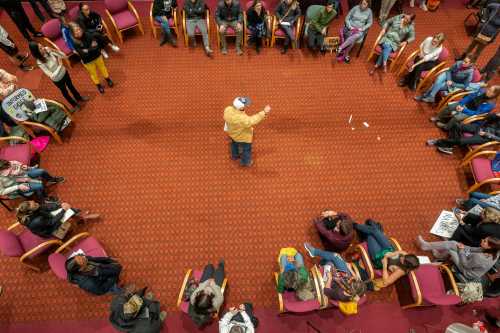
The governance of America’s public schools belongs to no single authority. It is shared, negotiated, and contested across many institutions. Yet, the local school board stands apart. School boards are the most accessible of our democratic institutions, offering a forum where residents engage with neighbors they elect to serve. At their best, they draw on local knowledge to meet their community’s needs. At their worst, they lack capacity, accountability, and representation, and are prone to conflict and dysfunction. This initiative examines U.S. school boards during a pivotal time in their history: the pandemic and culture-war conflicts of the 2020s.
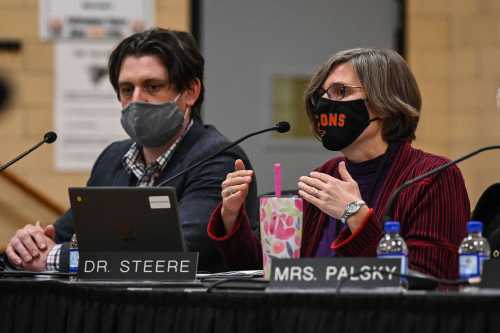
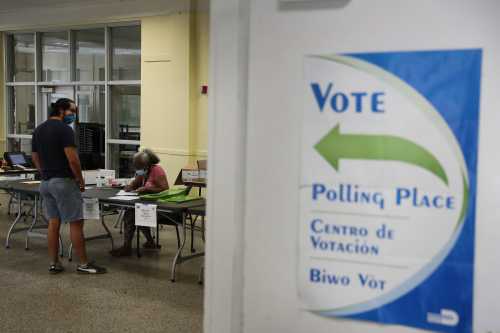
In the early 2020s, school boards confronted conflicts over the pandemic and a host of issues related to race, gender, and sexuality. We examine those conflicts from three complementary vantage points: media reports, board member surveys, and election results.
We surveyed a nationally representative sample of school board members, asking about their experiences campaigning and serving in office, which issues are most important to them and their constituents, and how they feel about the state of public education.
LOOK INSIDE
LOOK INSIDE
The Brown Center on Education Policy at Brookings is grateful for the support of the Spencer Foundation.
The research reported in this report was made possible by a grant from the Spencer Foundation (#202300189). The views expressed are those of the authors and do not necessarily reflect the views of the Spencer Foundation.
Brookings is committed to quality, independence, and impact in all of its work. Activities supported by its donors reflect this commitment, and the analysis and recommendations are solely determined by the scholars.
The authors thank Purnima Aggarwal, Kelsey Brown, Rosalia Dalton, Elizabeth Gellman, Gabrielle Harris, Alex Hubbard, Annabelle Kim, Jamie Klinenberg, Emma Mills, Brianna Paliz, Sally Park, Analisa Pines, Ayanna Platt, Estan Rodriguez, Simon Rosenbaum, Brock Schultz, Claire Siegel, Sana Sinha, and Rebecca Wagner for their excellent research support.