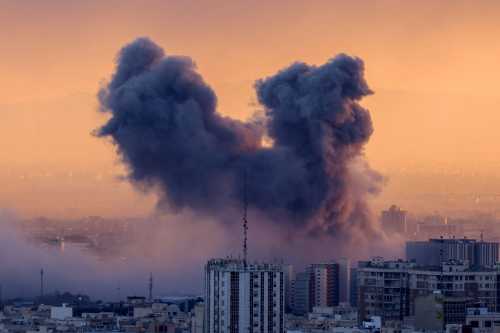
Any attempt at regime change is likely to repeat past mistakes Iran Any attempt at regime change is likely to repeat past mistakes Philip H. Gordon March 5, 2026
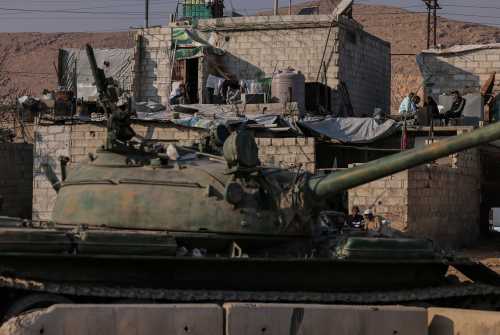
Development, governance, and security in the Middle East: Obstacles and opportunities Middle East & North Africa Development, governance, and security in the Middle East: Obstacles and opportunities March 26, 2025
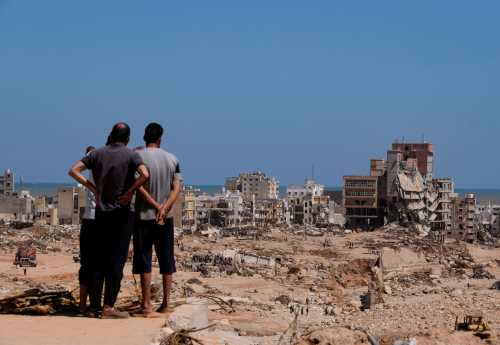
Anatomy of a flood: The Derna tragedy’s lessons for Libyan governance Libya Anatomy of a flood: The Derna tragedy’s lessons for Libyan governance Stephanie T. Williams March 26, 2025