Power, religion, and ideology in North Korea Upcoming Event April 27 2026 North Korea Power, religion, and ideology in North Korea The Brookings Institution, Washington D.C. Monday, 10:00 am - 11:00 am EDT
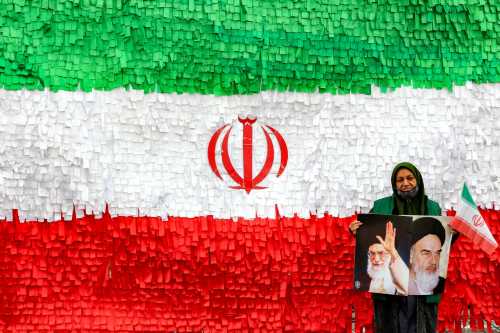
After Khamenei: Planning for Iran’s Leadership Transition Iran After Khamenei: Planning for Iran’s Leadership Transition Suzanne Maloney February 24, 2026
A key intelligence law expires in April and the path for reauthorization is unclear Intelligence Community A key intelligence law expires in April and the path for reauthorization is unclear Stephanie K. Pell February 10, 2026
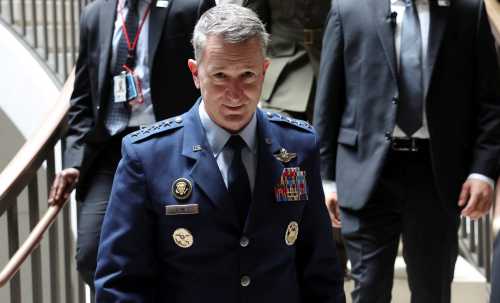
What damage did the US do to Iran’s nuclear program? Why it’s so hard to know Intelligence Community What damage did the US do to Iran’s nuclear program? Why it’s so hard to know Joshua Rovner July 2, 2025