Power, religion, and ideology in North Korea Upcoming Event April 27 2026 North Korea Power, religion, and ideology in North Korea The Brookings Institution, Washington D.C. Monday, 10:00 am - 11:00 am EDT
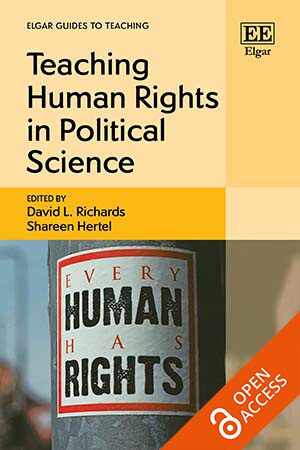
Teaching Human Rights in Political Science Human Rights & Civil Liberties Teaching Human Rights in Political Science David L. Richards, Shareen Hertel March 17, 2026
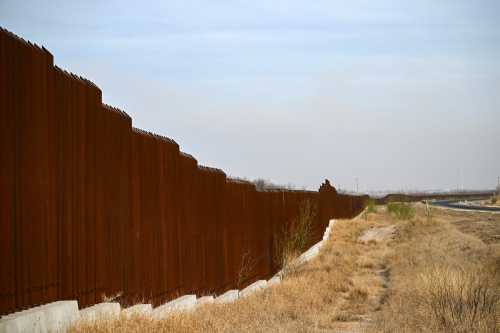
How 2026’s divisive immigration politics could lead to a solution down the road Immigrants & Immigration How 2026’s divisive immigration politics could lead to a solution down the road E.J. Dionne, Jr. April 7, 2026
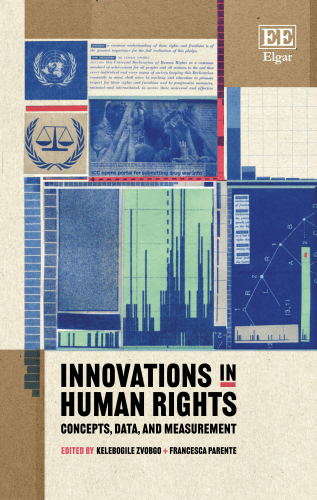
Innovations in Human Rights Human Rights & Civil Liberties Innovations in Human Rights Kelebogile Zvobgo, Francesca Parente March 19, 2026