Germany
Is the NATO-EU divide an obstacle to a European foreign policy?
Do trans-Atlantic relations need a reset?
NATO in a competitive world: A conversation with Secretary General Jens Stoltenberg
Interpreting the 2021 German federal election results
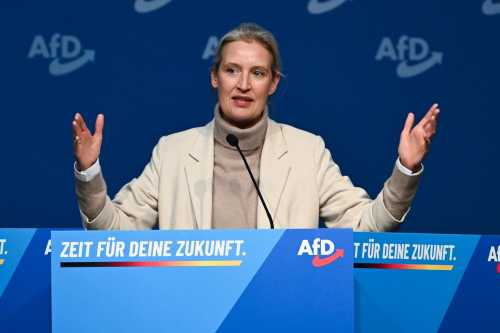
[The AfD's] sheer existence makes two-way coalitions on the national level almost impossible. We are looking at the possibility of protracted coalition negotiations and an inward-looking German capital at a time when I would argue German responsibility in Europe is urgently needed. That is one significant impact the AfD has, whether it is in the opposition or not.
[Merkel's] careful incrementalism [...has seen Germany through several crises, but it increasingly appears inadequate to the current challenges... Her] exquisitely tempered balancing style was fantastic for brokering results at European conferences. It’s clearly not the best approach when you are dealing with aggressive authoritarian powers, and she has clearly not given enough thought to preparing Germany for a much more disruptive future. [...] The absence of a leader as experienced, resourceful and well-networked as Angela Merkel will make itself felt in times of disruption and insecurity.
[Public broadcasting in Germany] started off as a means of democratic reeducation and rerooting political pluralism in Germany, and then morphed into a means of preventing new forms of disinformation or propaganda, particularly from the East.