U.S. Economy
A new era for money
10:00 am EST - 11:15 am EST
Past Event
10:00 am - 11:15 am EST
1775 Massachusetts Avenue N.W.
Washington, DC
20036
The tax and spending decisions made by Congress and the incoming president over the next year will affect the outlook for the U.S. economy and, thus, the pace at which the Federal Reserve raises short-term interest rates from still-low levels. Many participants in financial markets anticipate expansionary policies that will raise U.S. interest rates relative to foreign interest rates and will lead the U.S. dollar to appreciate on foreign exchange markets. How does the cyclical position of the U.S. economy impact the scope of fiscal policy? Would the Fed react differently to near-term fiscal stimulus than it would to changes in taxes and spending that raise the economy’s potential growth rate? Would the U.S. be better off if fiscal policy contributed to an increase in the long-term equilibrium (or natural) interest rate, the rate that will prevail when the economy is at full employment and prices are stable?
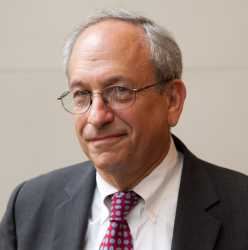
On January 17, Fed Governor Lael Brainard discussed the implications of changes in fiscal policy for monetary policy. Following her remarks, Hutchins Center Policy Director Louise Sheiner moderated a conversation between Gov. Brainard and Donald Kohn, the former Fed vice chairman and the Robert S. Kerr senior fellow in Economic Studies at Brookings.
Moderator

Panelist