Climate Policy
Carbon pricing and inflation expectations
11:30 am EDT - 12:30 pm EDT
Upcoming Event
11:30 am - 12:30 pm EDT
1775 Massachusetts Ave NW
Washington, D.C.
20036
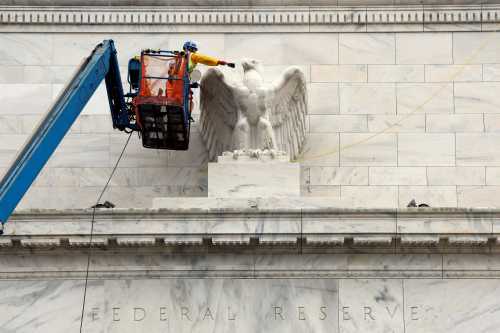
When Congress created the Federal Reserve in 1913, it established the Federal Reserve Board in Washington and 12 regional Federal Reserve banks. With some changes over the decades, that unusual structure remains in place and reinforces the Fed’s independence from elected politicians. The structure balances the power of the seven presidentially appointed Fed governors in Washington with presidents of the 12 Reserve banks who are appointed by their private-sector boards of directors, subject to the approval of the Board in Washington. Much of the Fed’s operations, including payments processes and infrastructure, are conducted by the Reserve banks, which have a collective budget of $5.9 billion, more than five times that of the Board. More than 85% of the Federal Reserve system’s current 24,000 employees work for the regional banks.
On April 21 the Hutchins Center on Fiscal & Monetary Policy will host Federal Reserve Governor Christopher Waller, who chairs the committee overseeing Reserve bank operations, to discuss the important operations role of the Reserve banks and outline plans underway to modernize the system’s information technology operation and otherwise improve its efficiency.
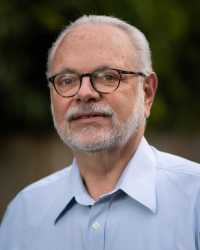
Following his remarks, Governor Waller will be interviewed by David Wessel, director of the Hutchins Center, and take questions from the audience. Online viewers can pose questions in advance by emailing [email protected].

Moderator