Past Event
August
31
2026
Education
How schools can help to cultivate intellectual humility in America’s students
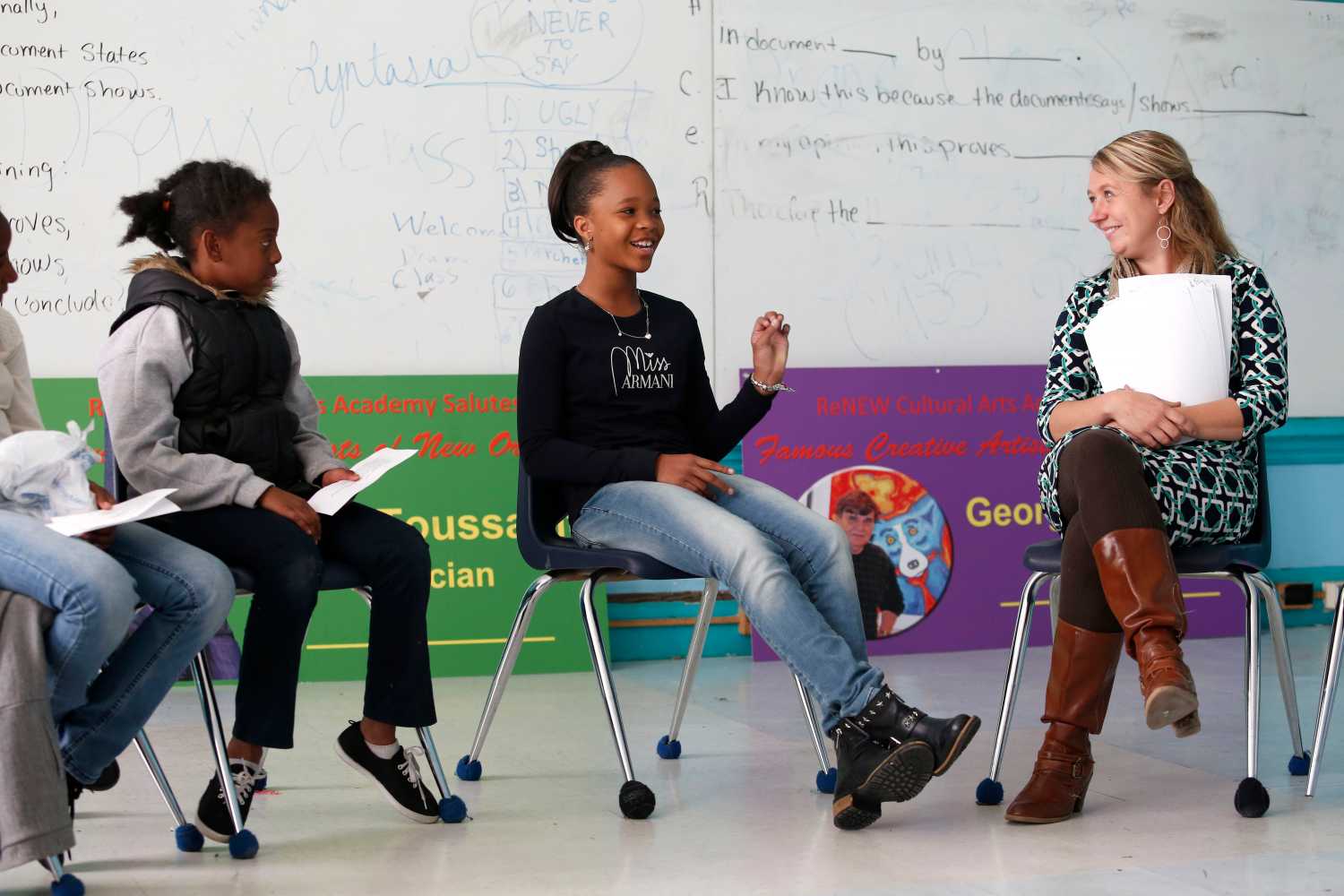
Being wrong or uncertain is a hard but inescapable part of being human. We’re all limited in what we know and can do, and how we handle that shapes how we learn and relate to others. This initiative explores intellectual humility, or an awareness of our own fallibility and the opportunities and risks it creates. We focus especially on adolescence, a complex but critical period of human development. In doing so, we consider schools’ role in helping students develop intellectual humility and engage constructively in our society and democracy. We also share the perspectives of nationally representative groups of adolescents, parents, and teachers.
A conceptual overview that considers the importance and challenges of developing intellectual humility in adolescence, along with defining schools’ role in this endeavor.
Results from surveys of nationally representative samples of adolescents, parents, and teachers, where we asked for their views of intellectual humility, schools’ roles in cultivating it, and the relationship between intellectual humility and confidence.
WATCH THE EVENT
2026
Online only
Monday, 2:00 pm - 3:00 pm EDT
This project was made possible through the support of Grant 62974 from the John Templeton Foundation. The opinions expressed in this publication are those of the authors and do not necessarily reflect the views of the John Templeton Foundation.
Brookings is committed to quality, independence, and impact in all of its work. Activities supported by its donors reflect this commitment and the analysis and recommendations are solely determined by the scholars.