Past Event
March
23
2026
Diplomacy & Multilateralism
Cross-strait crossroads: Pathways for America’s Taiwan policy
Leading experts consider a range of future U.S. policy approaches toward Taiwan.
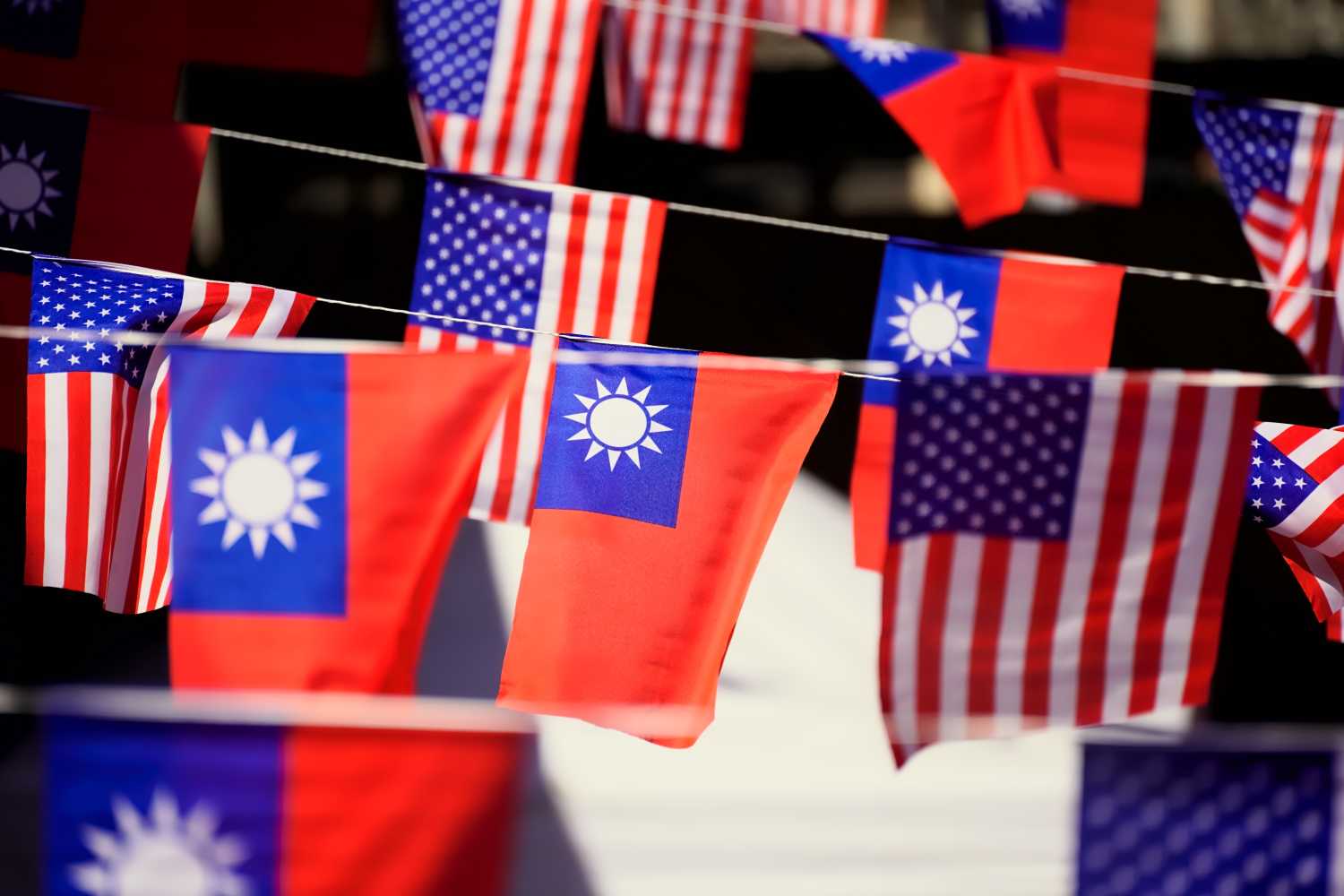
For three-quarters of a century, Washington, Taipei, and Beijing have shown that adaptive statecraft can prevent crises from becoming conflicts. As the security environment in the Taiwan Strait grows increasingly contested, the Center for Asia Policy Studies at the Brookings Institution and RAND’s China Research Center organized a series of workshops with leading experts to consider a range of future U.S. policy approaches toward Taiwan. These workshops produced policy briefs that explored U.S. priorities regarding Taiwan, options for limiting U.S. commitments while expanding Taiwan’s self-defense capabilities, options for calibrating diplomacy to stabilize cross-Strait dynamics, the merits and risks of a more active denial strategy, and the feasibility and consequences of a policy shift toward strategic clarity. While these policy briefs represent differing perspectives and policy options, they clearly illustrate where the expert community agrees and disagrees and where further examination is needed.

Authors: Ryan Hass, Jude Blanchette
Washington, Taipei, and Beijing have been navigating tensions in the Taiwan Strait for three quarters of a century.
Downloads:
Related Content

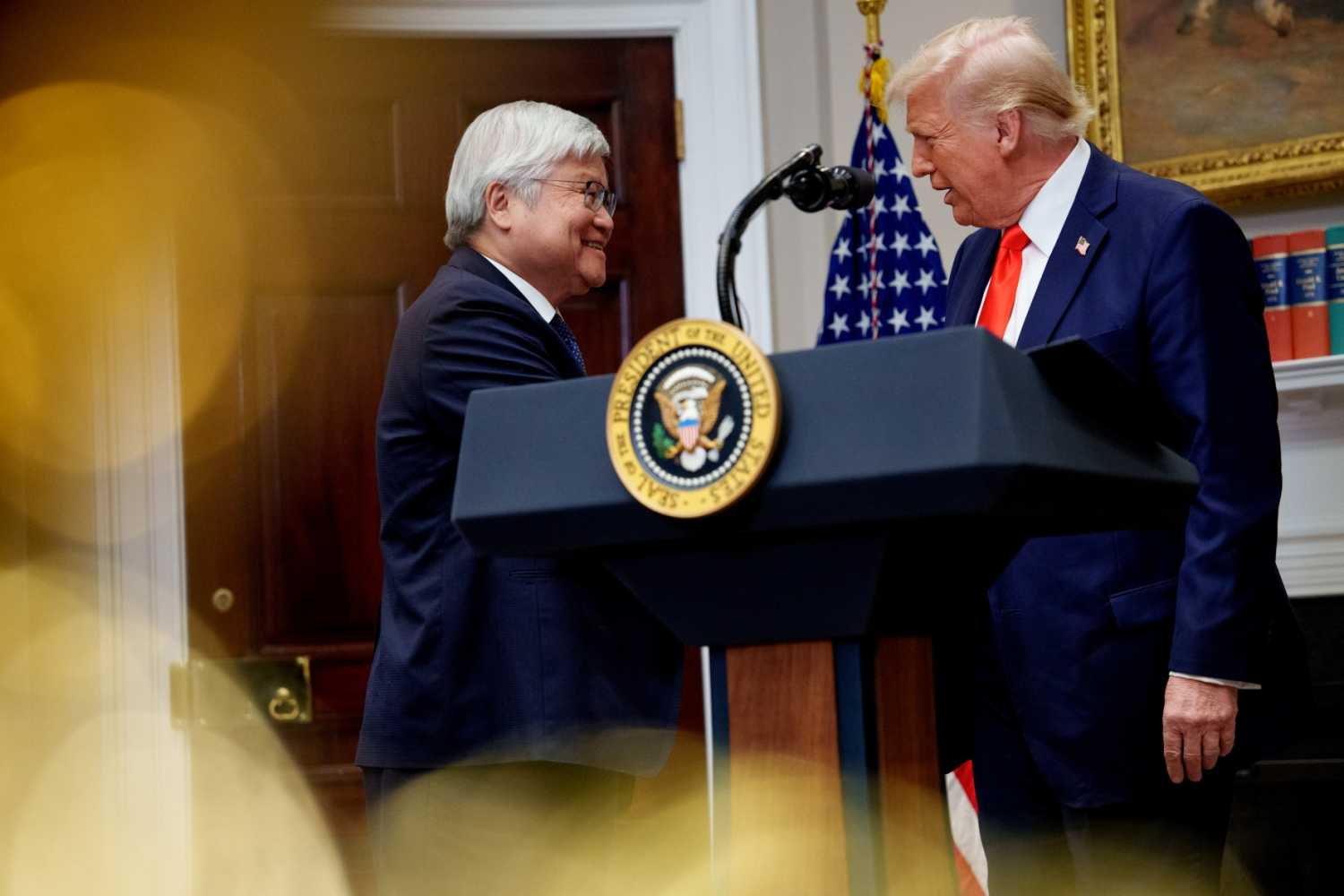
Authors: Kharis Templeman
U.S. strategy should seek to clarify the vital American interests at stake in Taiwan to the American people, to Beijing, to partners and allies, and to the Taiwanese people themselves.
Downloads:
Related Content
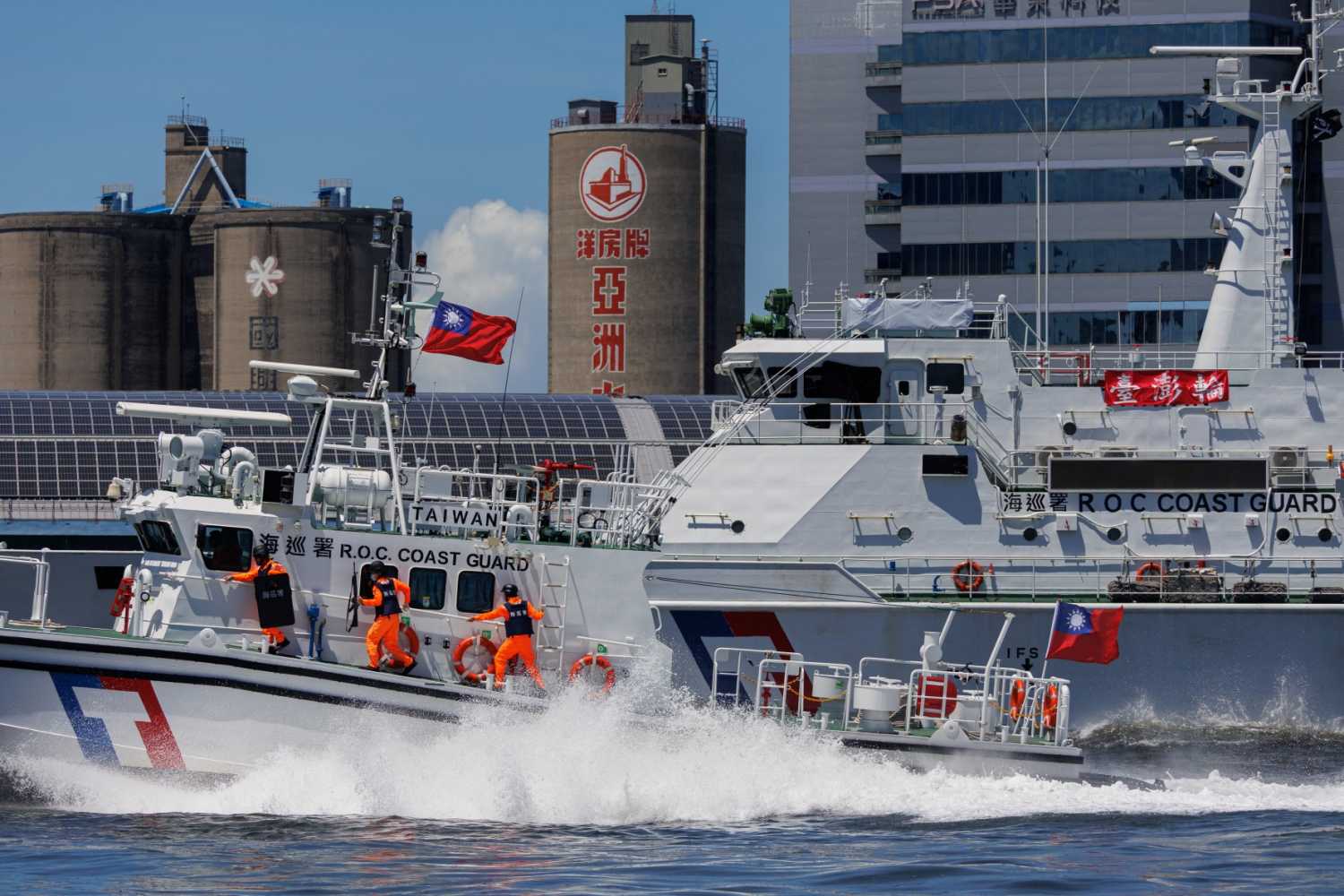
Authors: Jennifer Kavanagh
China’s massive military buildup has shifted the cross-Strait military balance in Beijing’s favor, dramatically raising the costs and risks of a U.S. intervention to defend Taiwan.
Downloads:
Related Content

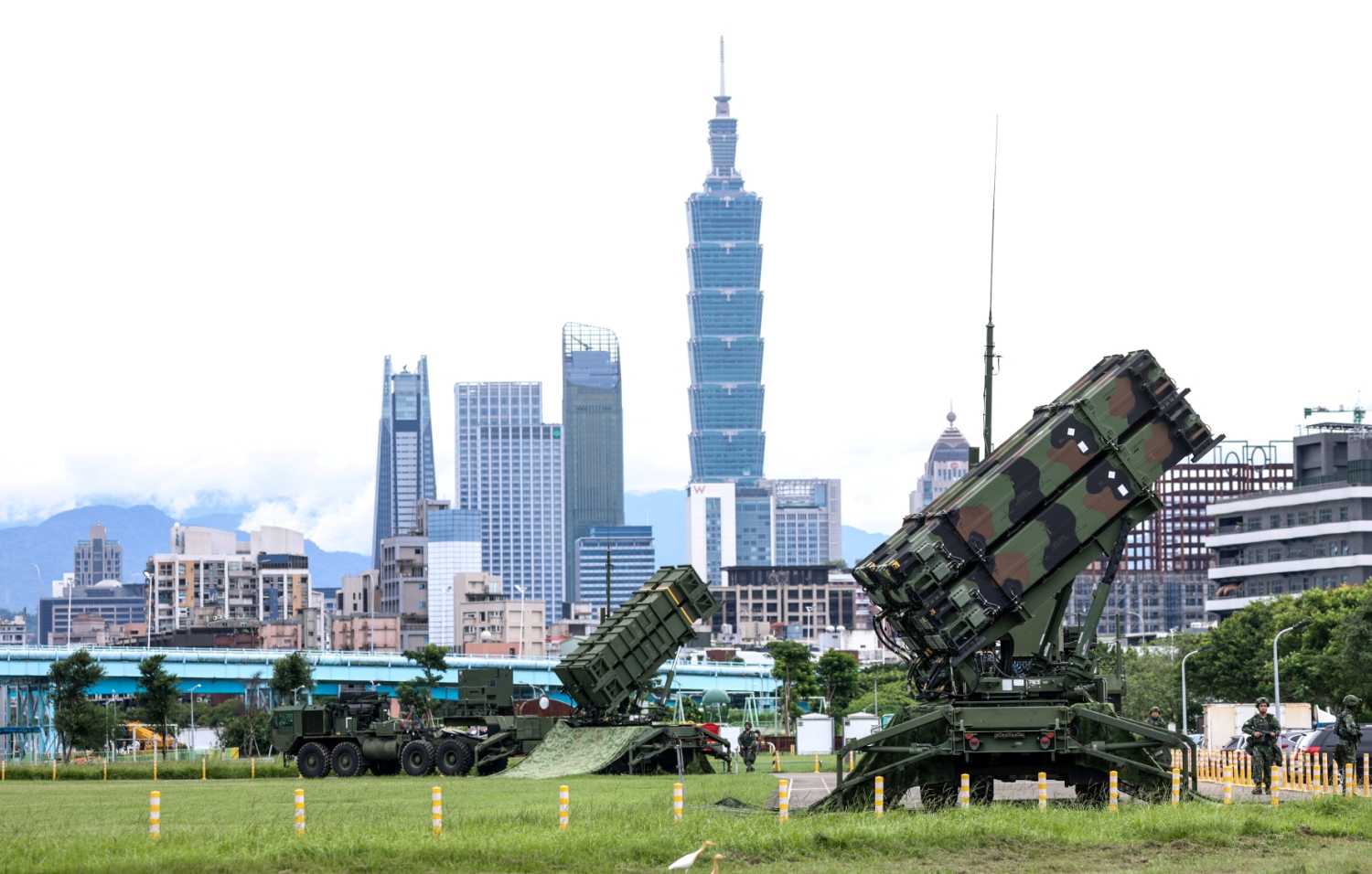
Authors: Bonnie S. Glaser
Peace and stability in the Taiwan Strait are vital to U.S. national security, economic prosperity, and global credibility.
Downloads:
Related Content

Authors: David Sacks
The United States has a long-standing, vital strategic interest in preventing a rival power from dominating Asia.
Downloads:
Related Content
Authors: Matthew Turpin
Over the past decade, relations between the United States and China shifted from what looked to be a fragile partnership into a hostile rivalry.
Downloads:
Related Content
In Partnership With