The John L. Thornton China Center at Brookings develops timely, independent analyses and policy recommendations to address long-standing challenges related to U.S.-China relations and China’s internal development. Through a broad range of publications—from blogs and op-eds to monographs and books — the scholarly research conducted in the Thornton China Center is made accessible to both policymakers and the public. Building on the inherent convening power of the Brookings Institution, the Center hosts a wide array of public programs, roundtables, conferences, and track II dialogues to advance and highlight this work.
Experts

Ryan Hass
Director
- John L. Thornton China Center,
Senior Fellow
- Foreign Policy, Center for Asia Policy Studies, John L. Thornton China Center,
Chen-Fu and Cecilia Yen Koo Chair in Taiwan Studies


Jonathan A. Czin
Michael H. Armacost Chair in Foreign Policy Studies,
Fellow
- Foreign Policy, John L. Thornton China Center
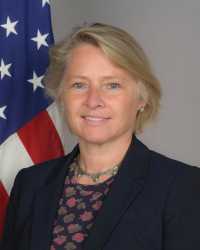
Susan A. Thornton
Senior Fellow
- Paul Tsai China Center, Yale Law School,
Nonresident Senior Fellow
- Foreign Policy, John L. Thornton China Center
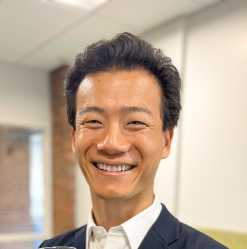
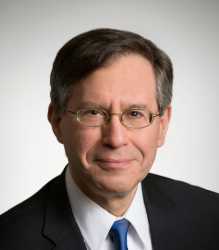
Paul Gewirtz
Potter Stewart Professor of Constitutional Law
- Yale Law School,
Director
- Paul Tsai China Center, Yale Law School,
Nonresident Senior Fellow
- Foreign Policy, John L. Thornton China Center