Purchase

Book

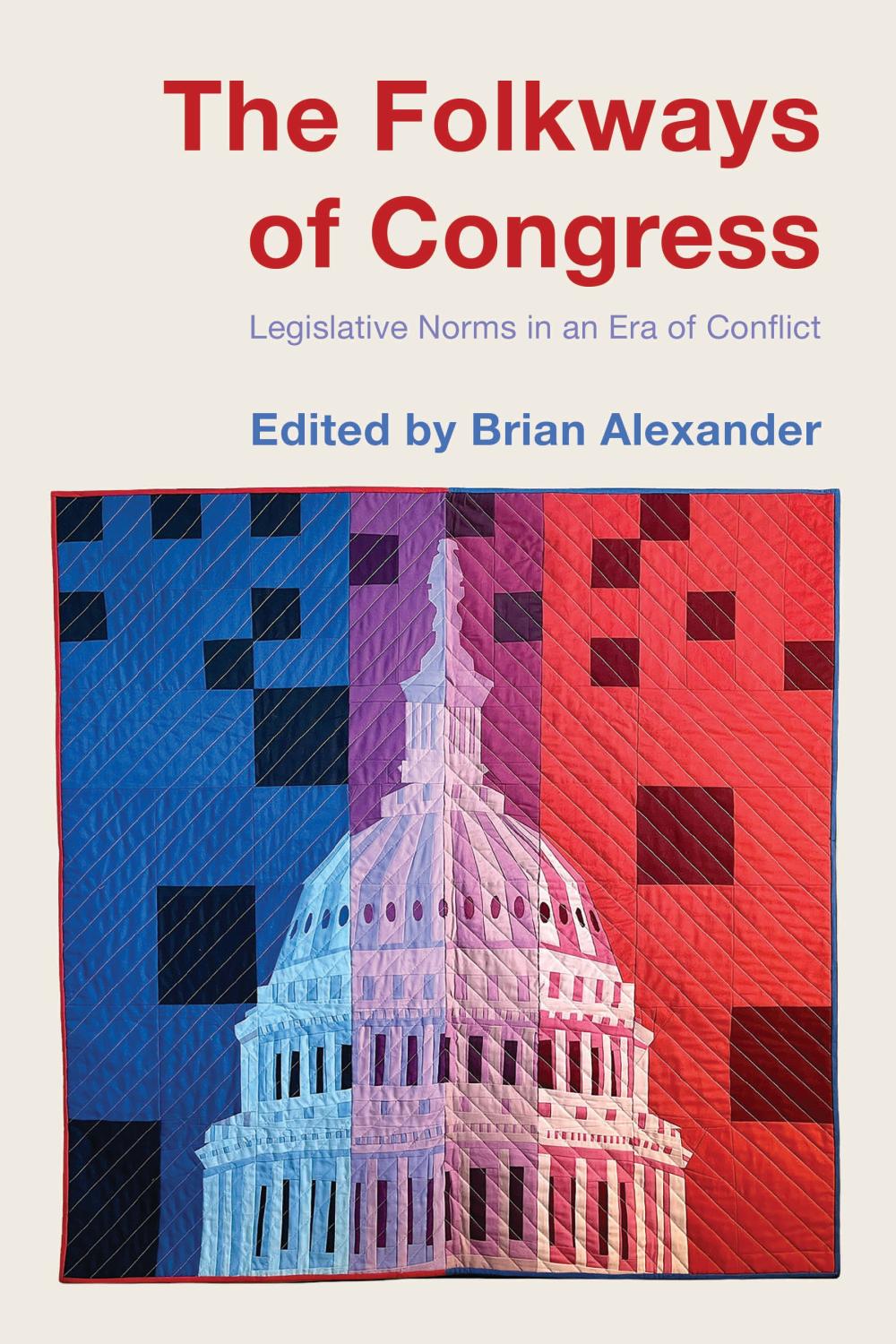
The Folkways of Congress

Legislative Norms in an Era of Conflict

Brian Alexander
Release Date: February 5, 2026

How are congressional norms changing, and what does their evolution mean for how Congress serves American democracy today?

Political scientists have long looked to the role of traditional norms to signal a general attitude among lawmakers that cooperation is part of their identities as members of Congress. But in this age of heightened political and partisan conflict, many “folkways” such as courtesy and reciprocity seem to be eroding, while other new norms are emerging.

This volume brings together leading congressional scholars to examine how norms have changed, what new norms are most prevalent in the modern Congress, and what effects norms have on the functioning of Congress in an era rife with political conflict. These essays address critical questions about how the U.S. Congress functions to serve American democracy and whether the functioning of Congress in the Twenty-first century is fundamentally different today from how the framers of the Constitution imagined it.

Author
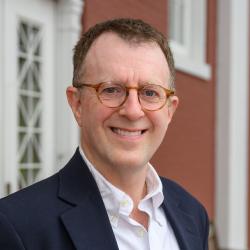
Brian Alexander is Associate Professor of Politics at Washington and Lee University. His research focuses on the intersection of institutions and political power with a concentration on the U.S. Congress.


Reviews
If you want to understand the way Americans have historically made policy then you have to understand the unspoken norms that have dominated Congress. To do that, you need to read The Folkways of Congress. The list of contributors is a ‘who’s who’ of experts in the field: an impressive mix of academics, public intellectuals, journalists, and professional politicos.
David C. Barker, Professor of Government, American University
Folkways of Congress will be a welcome addition to the literature on congressional politics. This has the potential to be a landmark study of the topic, or a benchmark of the role of norms in the contemporary era.
Douglas B. Harris, Professor of Political Science, Loyola University
Congressional procedures are as much affected by informal norms and practices as by explicit constitutional provisions. Utilizing both traditional qualitative and cutting-edge quantitative research, this book documents continuities and changes within such norms and the reasons for them. Highly recommended.
John R. Vile, Professor of Political Science and Dean of the University Honors College, Middle Tennessee State University